
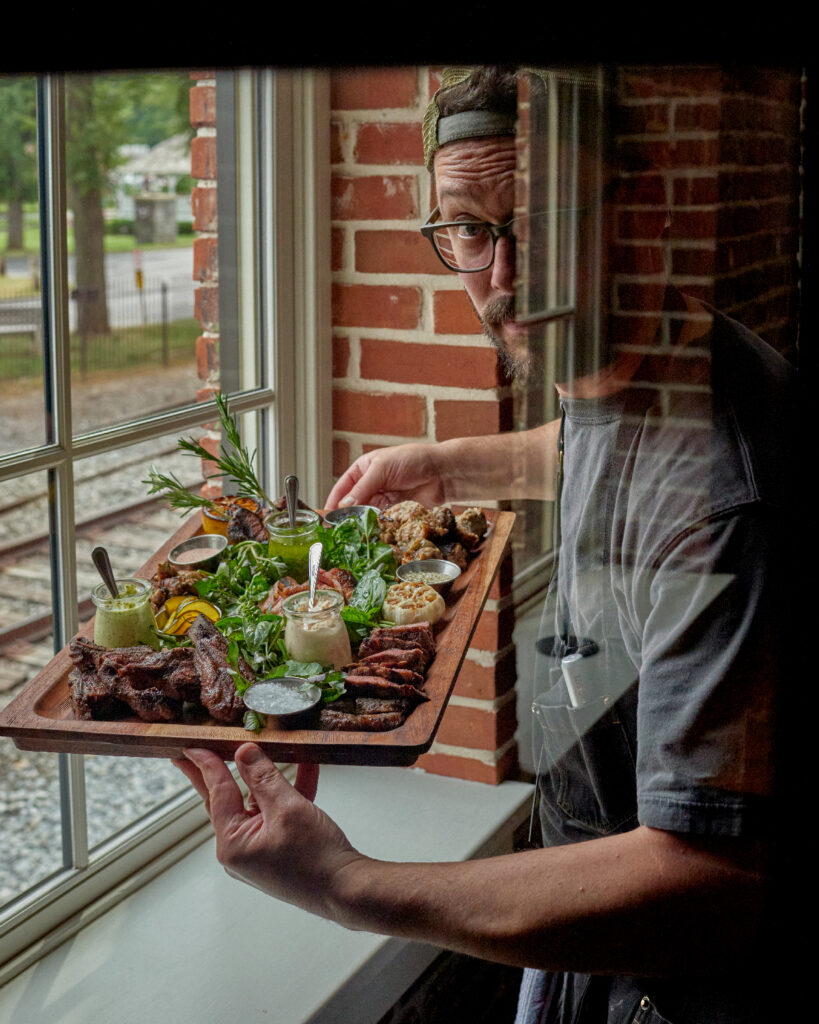
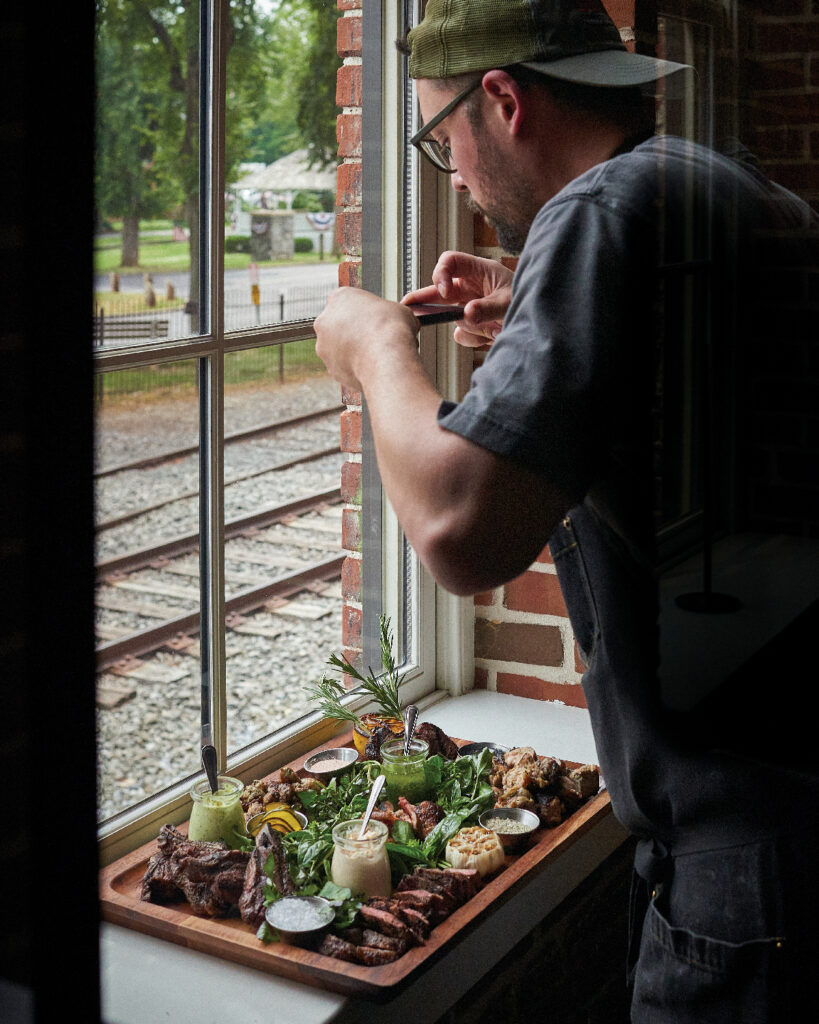
There are fires burning in downtown Lititz; some have flames, while others have souls. At restaurants KōLE Chophouse and Cavolo! Pizzeria Bar, you’ll find both. Bringing staff on the journey is Chef Max Fanton, the French-born Italian who has worked shoulder to shoulder with some of the most acclaimed chefs in the world. Maximizing genuinely fantastic culinary experiences, Chef Max has spent the past few years bringing a single team together in an effort to achieve excellence in Lititz.
The journey of young Maxime Fanton began in the Champagne region of France. When his parents first met, their families – who hailed from different regions – did not approve of their relationship. Eventually, they and 3-year-old Max moved to Italy, where Max’s father had family. “They started their new life with nothing,” Max reports.
His father was a viticoltore – essentially a grape farmer working at a vineyard for a winery. Working in agriculture turned out to be fortuitous, as housing was often provided. Home turned out to be a grand house called Azienda Agricola, which Chef Max describes as “15 acres of manicured, beautiful property with this major house. Dad was taking care of the vineyards and the nature of it. Mom was hosting dinners and lunches for the wine company to represent their wines. If the wine company organized a vintage Porsche rally, my mom would be making sure that we had table settings ready, the food was ready. Sometimes we had up to 150 people having really nice dinners.”
Wine and hospitality became second nature to Max. “Wine was always a big component in their lives, and so I grew up with that,” he notes. “I think hospitality grew deep in the house from the very beginning, because my mom loved to do it. My mom was exceptionally good at hosting people, making people feel good. My dad was always really passionate about landscaping, making sure things look good,” he says.
During Easter and Christmas, the Fantons would travel back to France to visit family. “That was always rich in food, especially having an uncle as a baker,” says Chef Max. While visiting his uncle, he found himself “literally sleeping next to the pastry area where they would be making bread and chocolate croissants,” he explains. “I would wake up at 4 o’clock in the morning during the Christmas season; you have carts of chocolate croissants that just came out of the oven, and you’re stuffing your face! Then, eventually, grandma’s making all these cheese boards. So, food was always a big component, and it was always very generous.”
Despite the storybook setting, life for a young boy on a rural vineyard was isolating, explains Max, especially during the summer break. The owner of the wine company would visit the property and catch up with Max’s dad. His arrival in a beautiful Mercedes-Benz was exciting, and he would strike up conversations with Max. They became friends and started going out for lunch together. Max would jump in the car in his rubber boots, and off they would go. “My mom always taught me good manners, how to eat, and how to be at the table, so he enjoyed going out with me,” he recalls. Still, his mom “would be embarrassed, knowing that I was going to this nice restaurant, wearing work clothing and boots.” The lunch excursions served as an introduction to dishes Max had never experienced. “In our area, it was always about grilled meats and traditional and regional cooking,” he explains. “We were very close to the Alps and the Adriatic, so the cuisine is very diversified.”
When Max turned 14, he wanted the independence that a motorcycle could offer. The hills of the Prosecco region are beautiful, but difficult to pedal on a mountain bike, Max lamented. He needed transportation, so his parents advanced him a loan for a 50cc motorcycle. The newfound freedom came with the responsibility of a summer job as a dishwasher at a restaurant. “I think I earned €300 the entire summer,” he reports. The creative and bustling restaurant atmosphere suited him, prompting him to pursue a culinary path.
Michelin Stars Aligned
Max worked his way up to a job at Chef Karl Baumgartner’s Michelin-starred restaurant, Schöneck. “He was my first true mentor. He was very German, very, very tough,” says Max. “But it was an awesome experience; so that’s when I dropped [out of] school, and started working there.”
With a talented staff, the learning opportunities presented themselves in new ways. “That made it easy for me to chase. I wanted more,” says Max. He befriended a colleague, Chef Yukiro Takamora, who taught him how to butcher fish using Japanese knives and techniques. When Chef Yuki moved back to Japan, Max visited him, sleeping on the floor of a tiny apartment and falling in love with the culture.
Comfortable in his role at Schöneck, Max aimed higher, wanting to work in three-star Michelin-rated restaurants to learn more advanced cooking techniques. Inclusion in the Michelin guides is considered the pinnacle of culinary acclaim, so Max bought guides for Italy, France and Spain. Equipped with a list of three-star restaurants, he mailed his résumé to his top choices. A lone, albeit a three-star reply, came from the Basque region of Spain. It offered a three-month unpaid internship called a “stage,” which is now illegal in Spain and is considered exploitive. Housing would be provided, and with the money he had saved for the unpaid duration, Max was ready for his next adventure.
From Spain’s Basque Region to Shanghai, China
In 2007, with an offer in hand, the young chef booked a flight to Barcelona. From the coastal Mediterranean city, an eight-hour bus ride took him northwest into the mountains. “I didn’t speak Spanish. I had no clue. I was just in Spain, living the dream,” he recounts. “I remember we were getting closer to the Basque Country, and all of a sudden, we went through a tunnel and [on the other side] there was a storm. Mountains, green and dark, and I’m [thinking], this doesn’t look like Spain. This doesn’t look like Spain at all!”
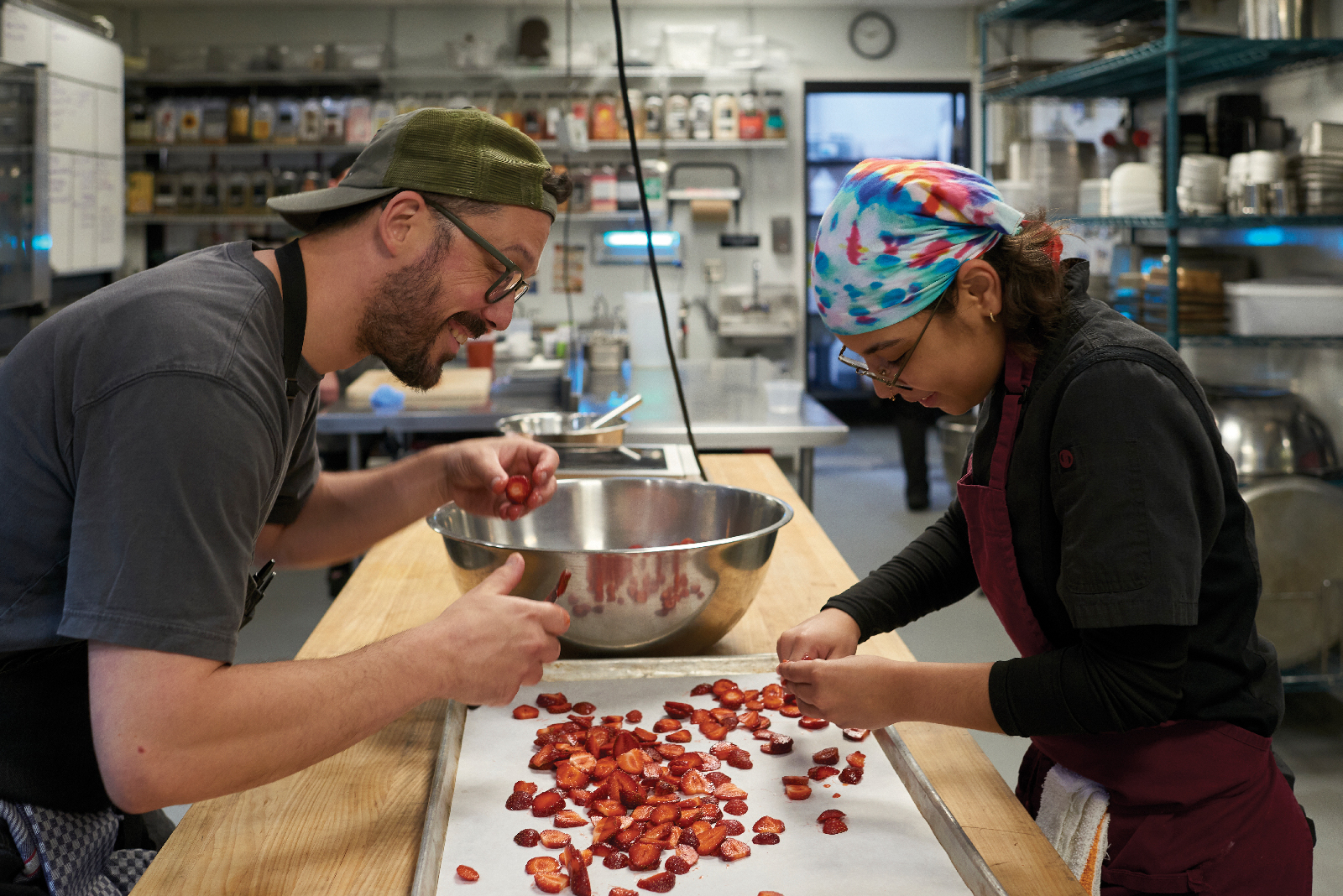
Chef Martin Berasategui’s eponymous restaurant’s kitchen was held to the highest of expectations. “Chef Martin Berasategui was considered the toughest chef in Spain,” Max shares. “We were the number 20 restaurant in the world by San Pellegrino at the time,” he says, referring to the sponsoring company that ranks the 50 best restaurants in the world. “The pedigree of that restaurant was amazing,” he says.
Having developed superb skills with fish at Schöneck, Chef Max quickly advanced to chef de partie of fish. The leadership position put him in charge of the fish station. “You want to be competitive in a kitchen. You want to elbow somebody to just go and do your thing, so that you can pour yourself into your work, to have the opportunity to take the product and do things under that type of supervision. It shows a lot of character,” he says.
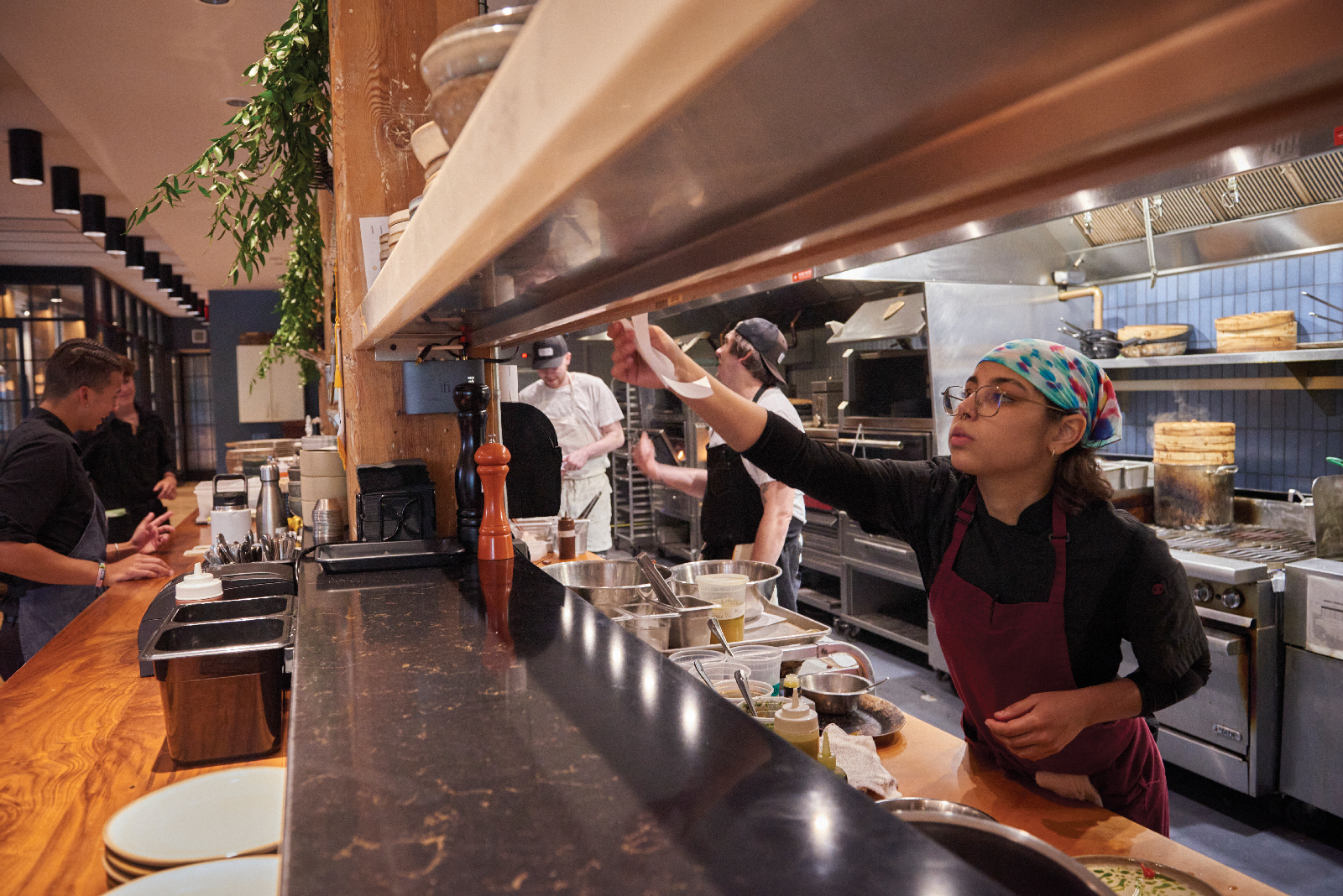
After nearly three years in the Basque region, a weary Max gave notice of leaving to Chef Berasategui, who immediately refused it. Instead, he wanted Chef Max to open a restaurant for him in the rapidly growing metropolis of Shanghai, China. So, in 2009, Max moved to China. In addition to French, Italian and Castellano, he now needed to learn English. “I was watching HBO’s The
Wire, with subtitles. That’s how I learned English.” Living in China until the end of 2016, Chef Max got to cook for the former NBA superstar Yao Ming, as well as at the Automobile Museum of Shanghai. He frequently traveled to Japan to import fish and kitchen knives, which eventually led to a side business.
An App of Another Kind
In the mid-2010s, a work trip took Max to New York City. Free of the bounds of China’s censorship, he logged into a dating app and matched with a beautiful young woman named Lauren. They started a conversation that continued after Max returned to China. The 12-hour time difference was perfect for saying good morning and goodnight, explains Max, recalling the time when they’d talk about their days using a Chinese messaging app.
It wasn’t until six months later that the two would finally meet in person. Max flew from China to Los Angeles to have dinner with Lauren. Their relationship grew, and ultimately, it was easier for Max to move to the United States than for Lauren to relocate to China. They started life in Boston, later moving to Philadelphia. On June 17, 2026, they welcomed their son into the world, a beautiful baby boy named Silvio.
During the pandemic shutdown, Max thought it prudent to update his résumé, which later led to a recruiter calling about a job in Lititz. Lauren had grown up near Bucknell, so the opportunity seemed like a chance to achieve a perfect work-life balance. The reality turned out to be just the opposite.
KōLE
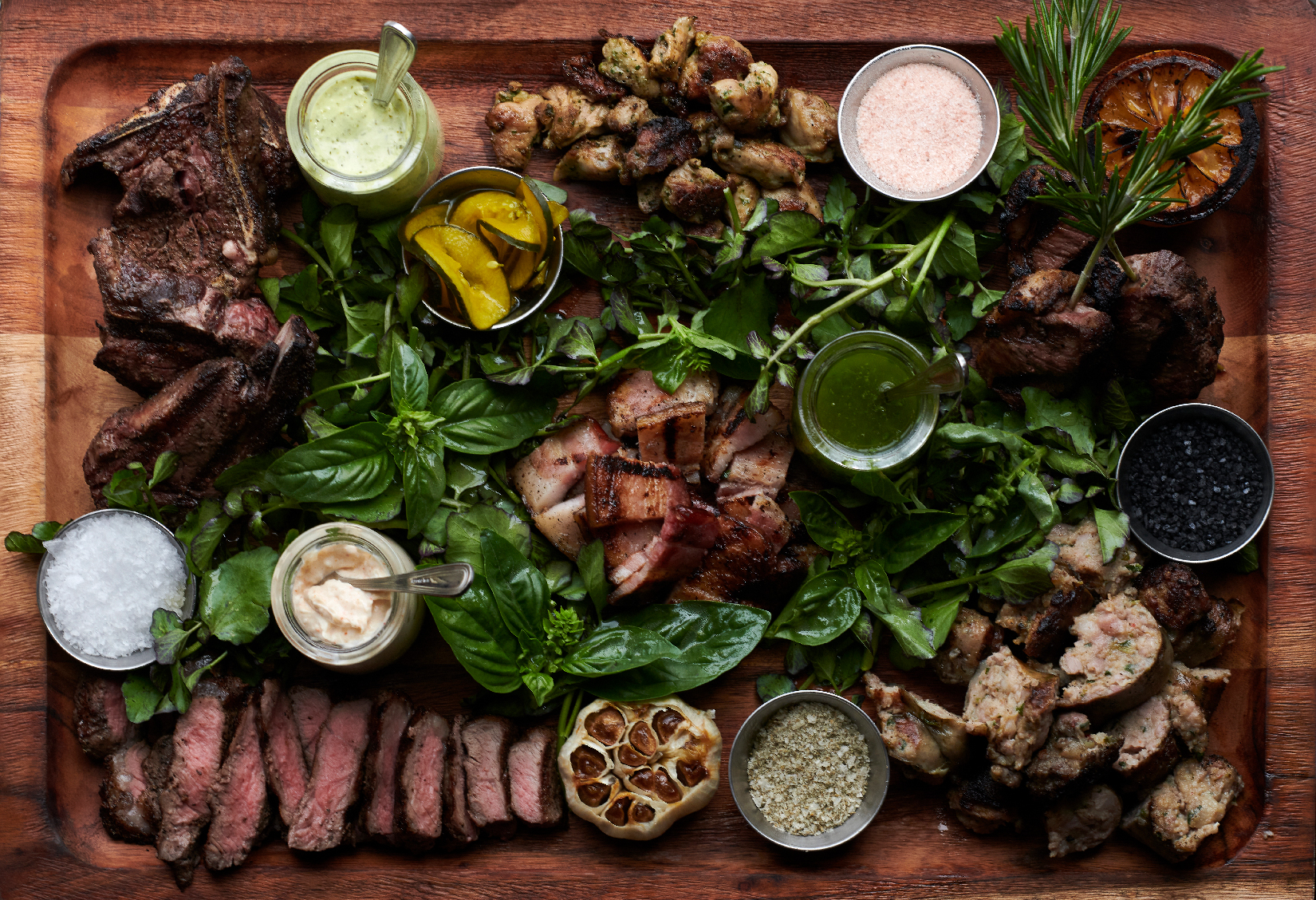
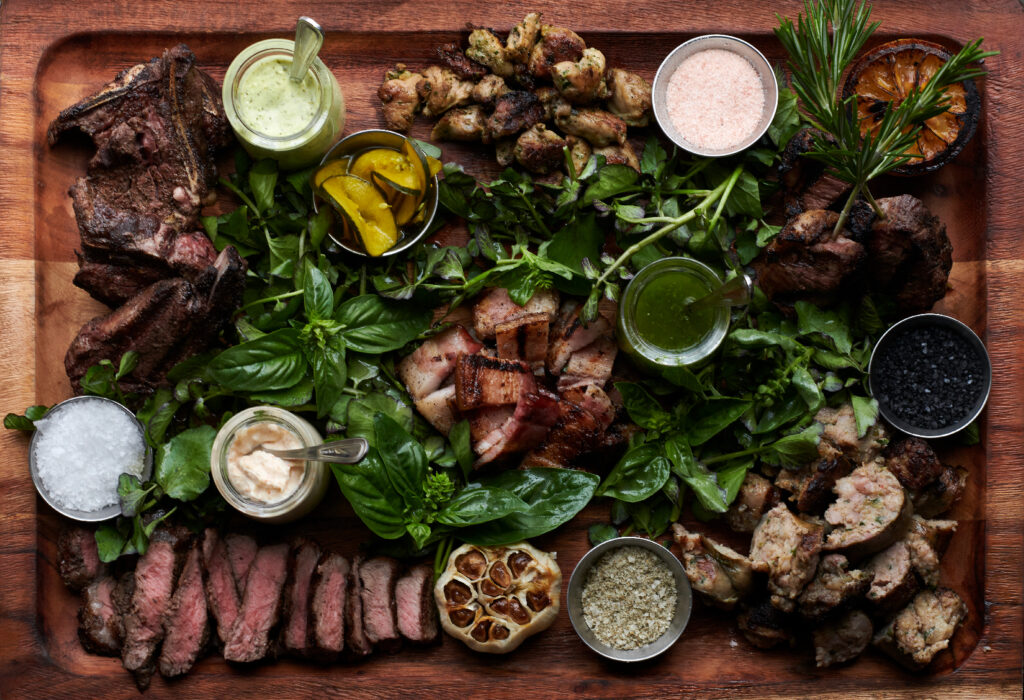
Opening in 2018 as Blackworth, the restaurant has gone through a tumultuous journey. Chef turnover was high, the menu lacked focus, offering everything from wood-fired pizza and wings to steak. But it had potential. “I was supported by the owners, because when I came in 2020, I saved the place basically,” says Max. “I was determined to put my soul into it and make it work. It was tough, but it happened, so I had a lot of credibility, even when I burned the restaurant. We rebuilt it better; it only took us four months. There was a lot of talent being displayed at that time,” he says.
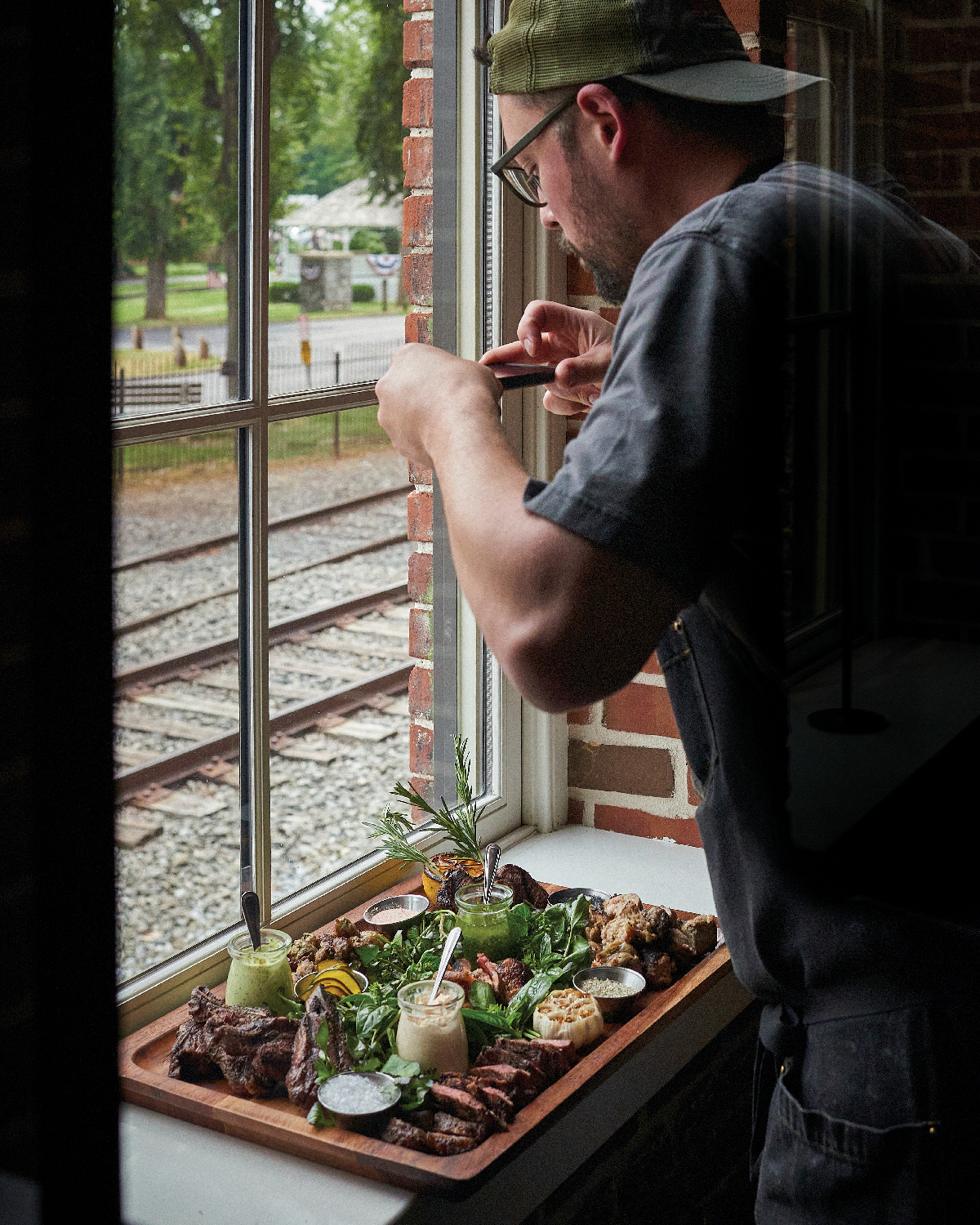
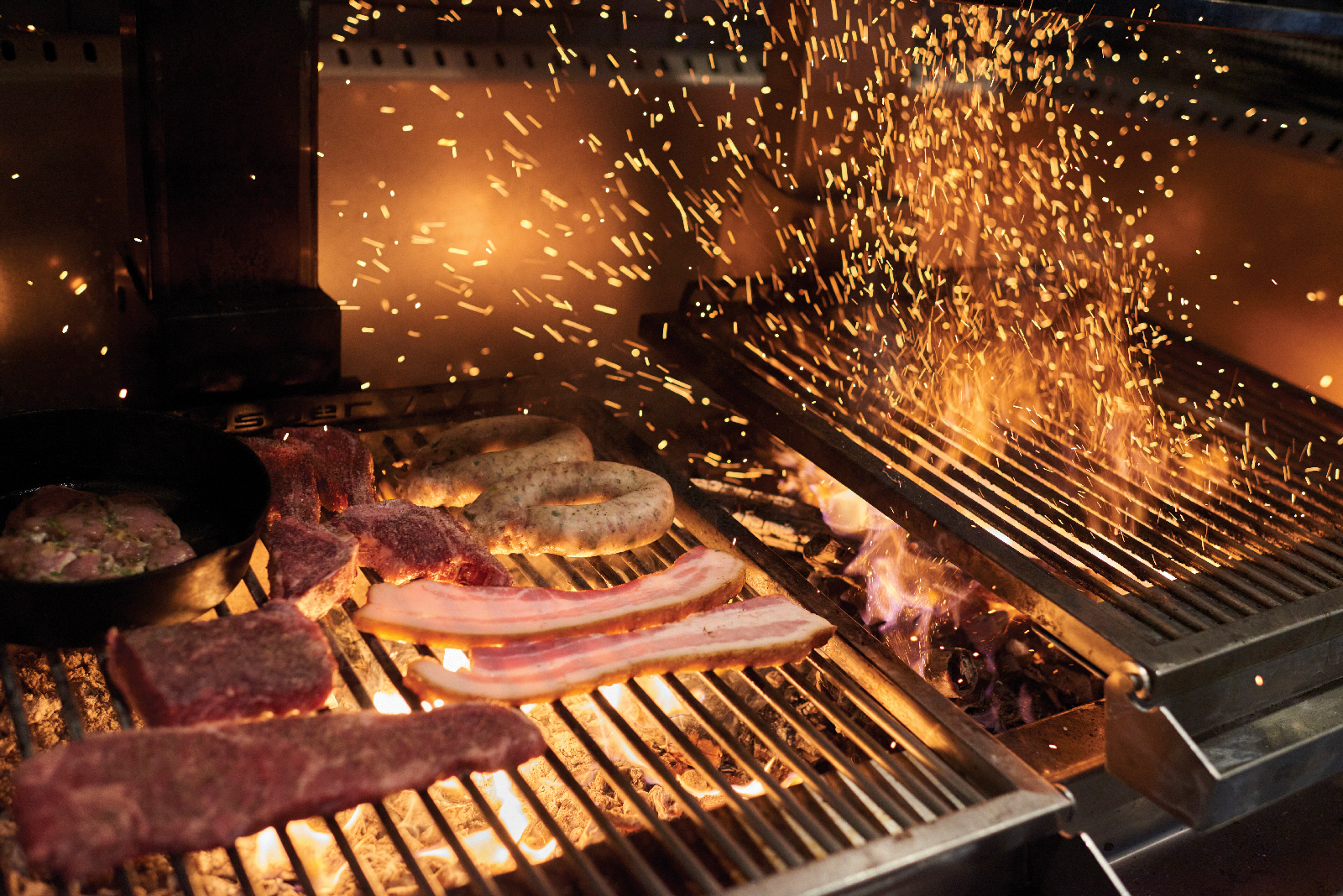
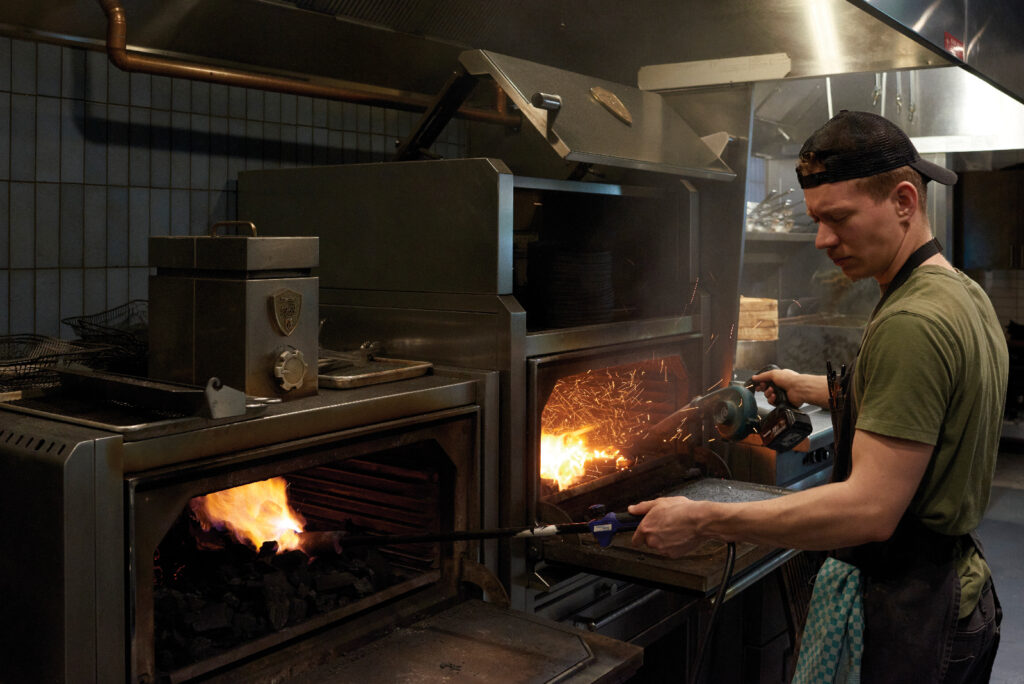
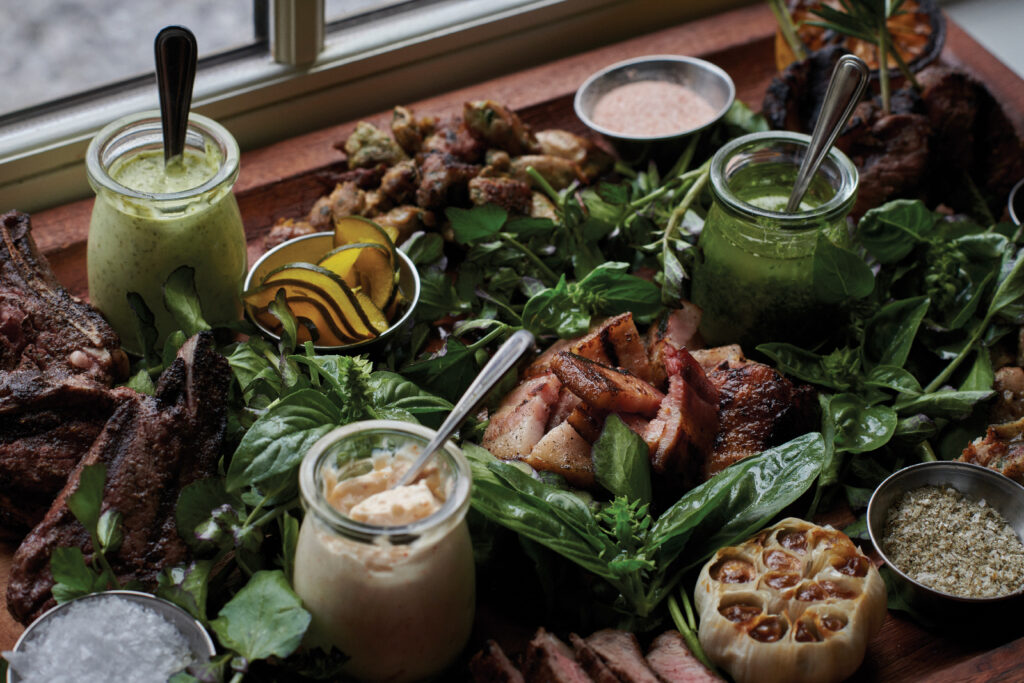
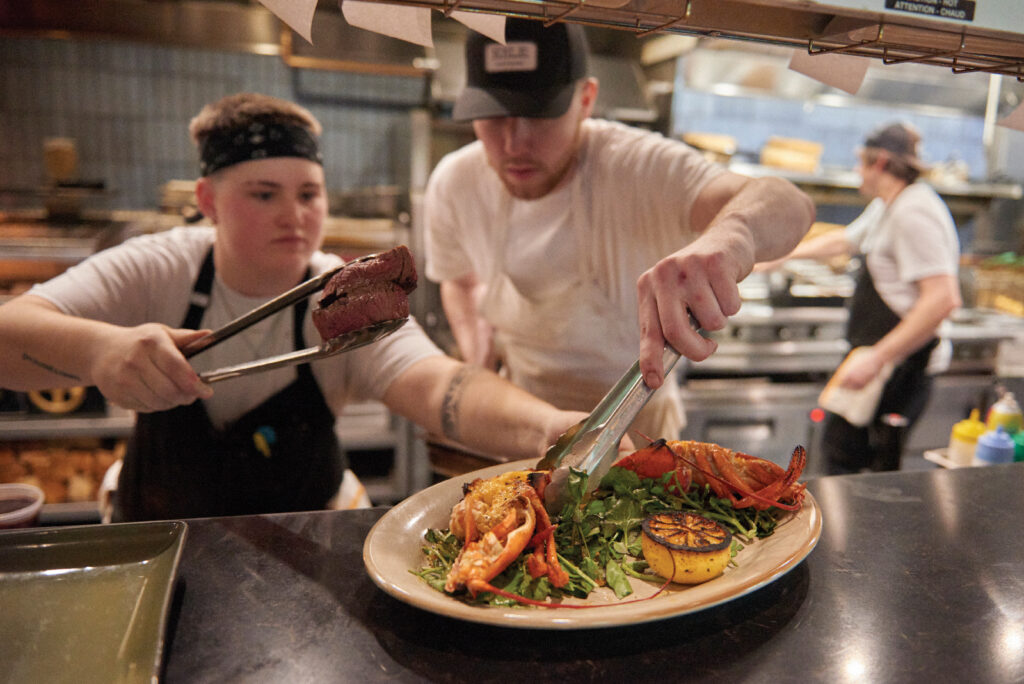
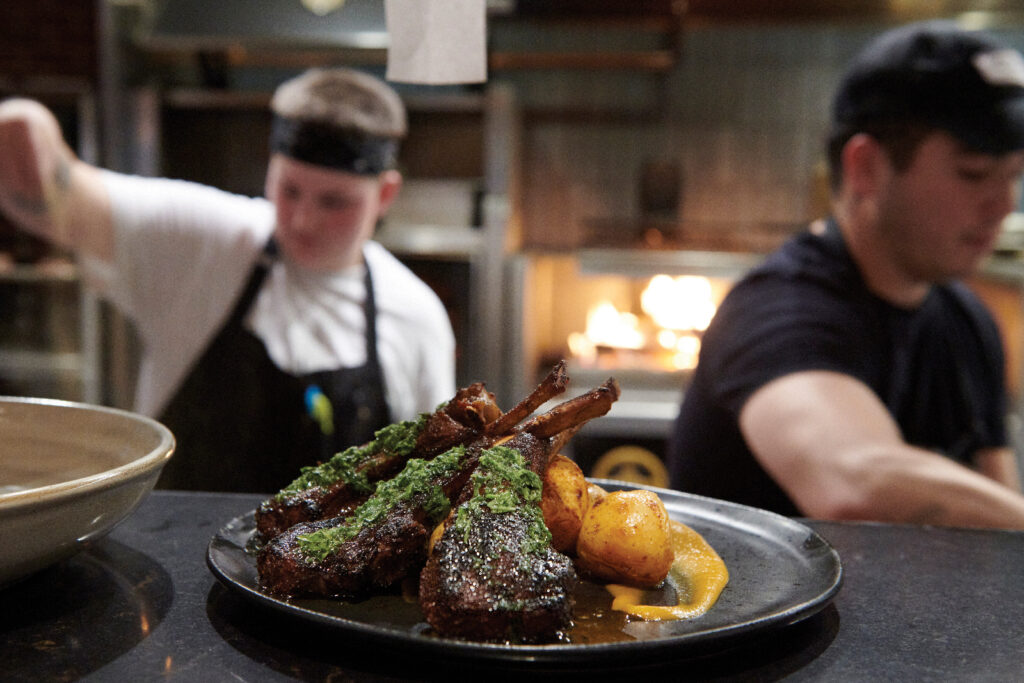
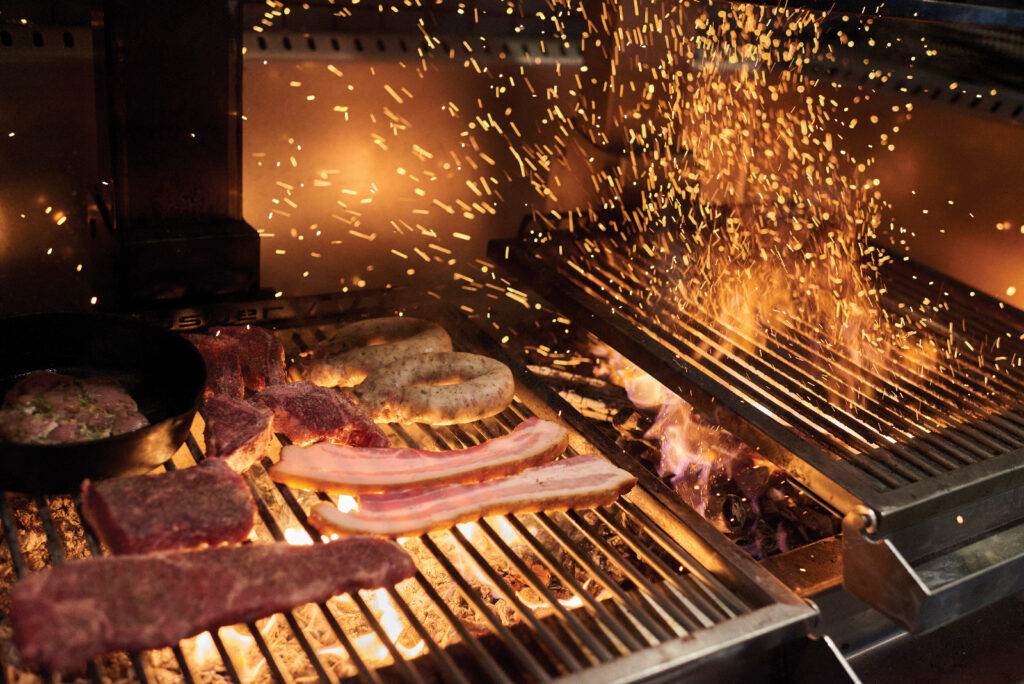
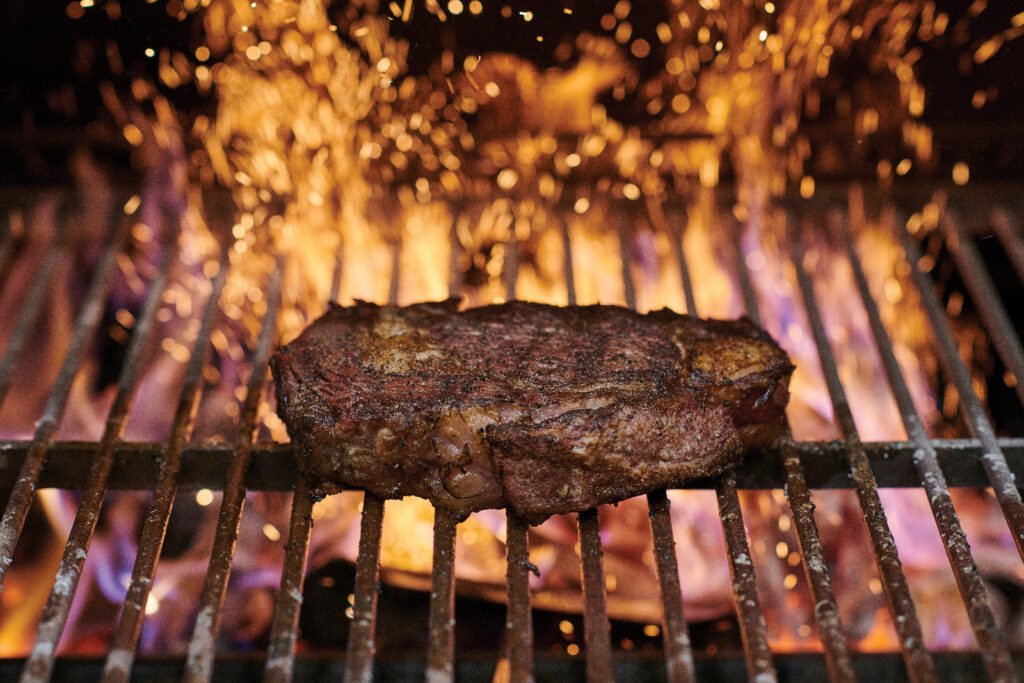
While rebounding from the kitchen fire, Max reached out to marketing agencies in 2023 to explore rebranding, but ultimately refrained from making a change. A pivot was needed two years later when the ownership reorganized due to Daryl Heller’s ATM debacle. They had a week to completely reorganize, prompting Max to reach back out to an agency in Philadelphia. They landed on the name KōLE, coming from the Pennsylvania Dutch word meaning coal, a nod to the local heritage and charcoal cooking.
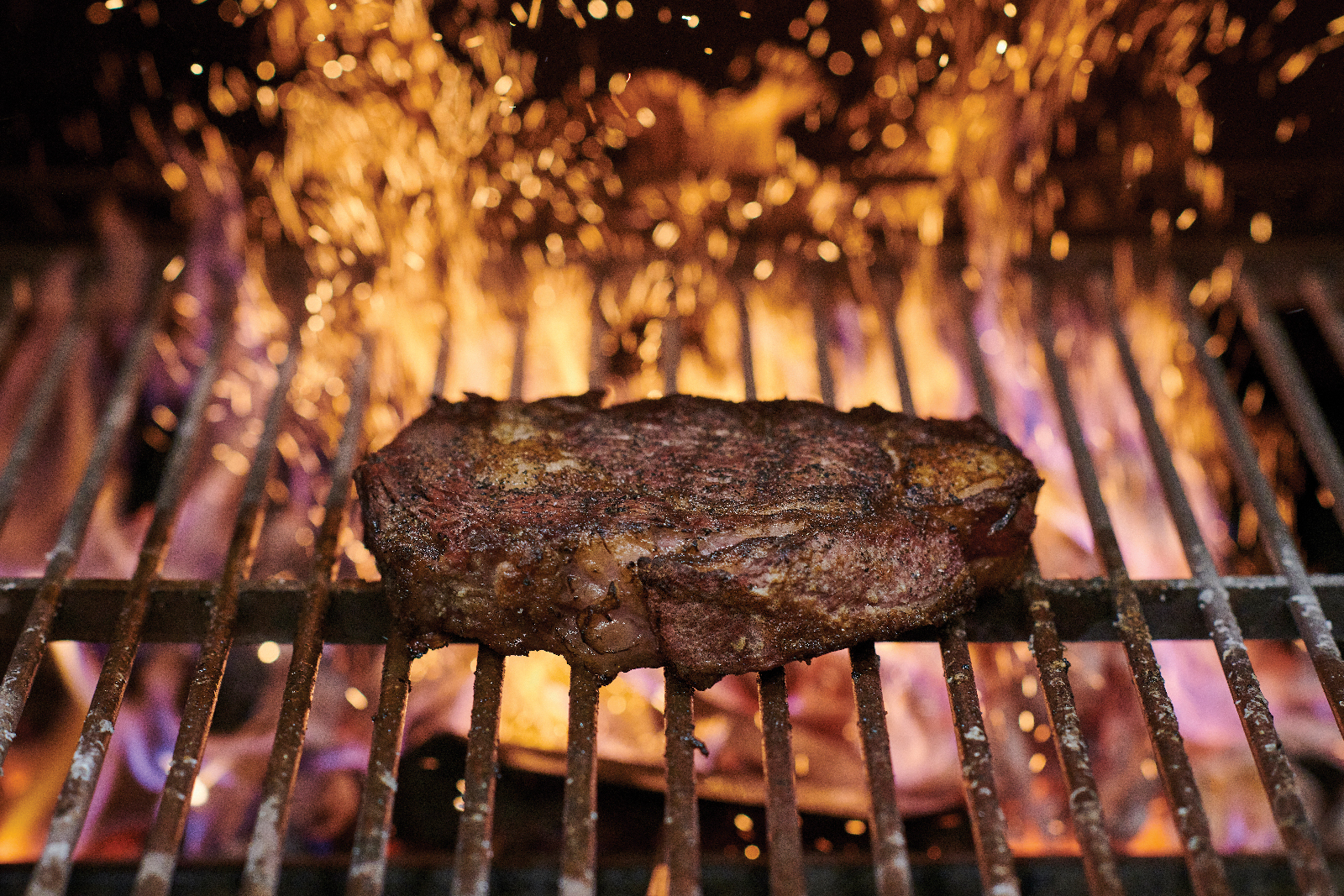
Their “Trojan Horse,” as Chef Max describes it, was a new point-of-sale system to start a new entity. On the morning of March 5, 2025, this step allowed Blackworth to close in the morning and for KōLE to open that same afternoon, ensuring employees retained all their hours.
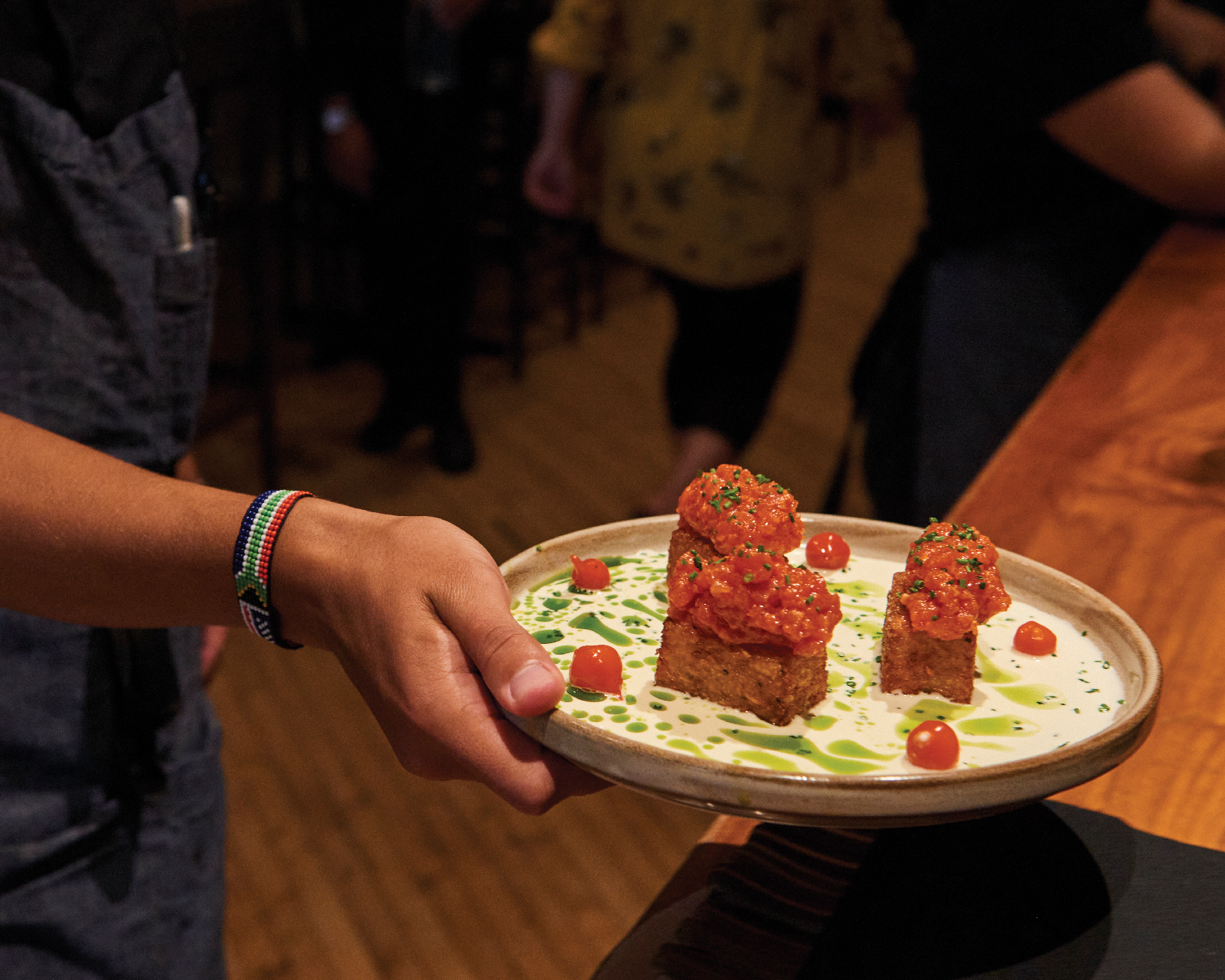
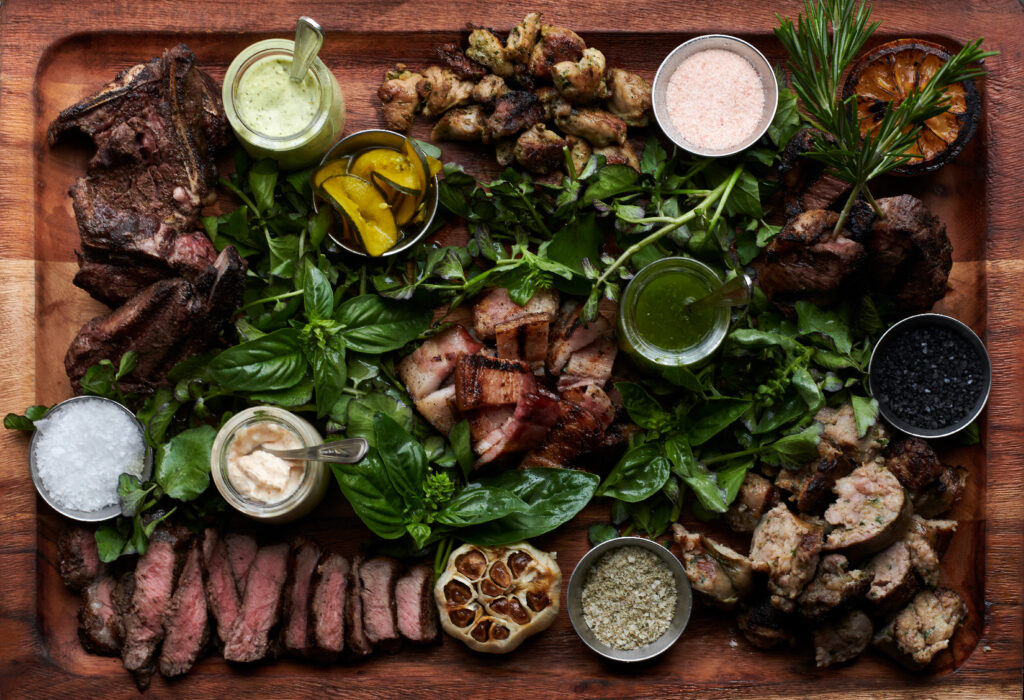
As it turned out, Max’s childhood lunches in Italy’s Prosecco region, and learning from the top chefs in Italy, Japan, Spain and China, all came full circle. At KōLE, Chef Max is leveraging those experiences.
Holy Smokes!
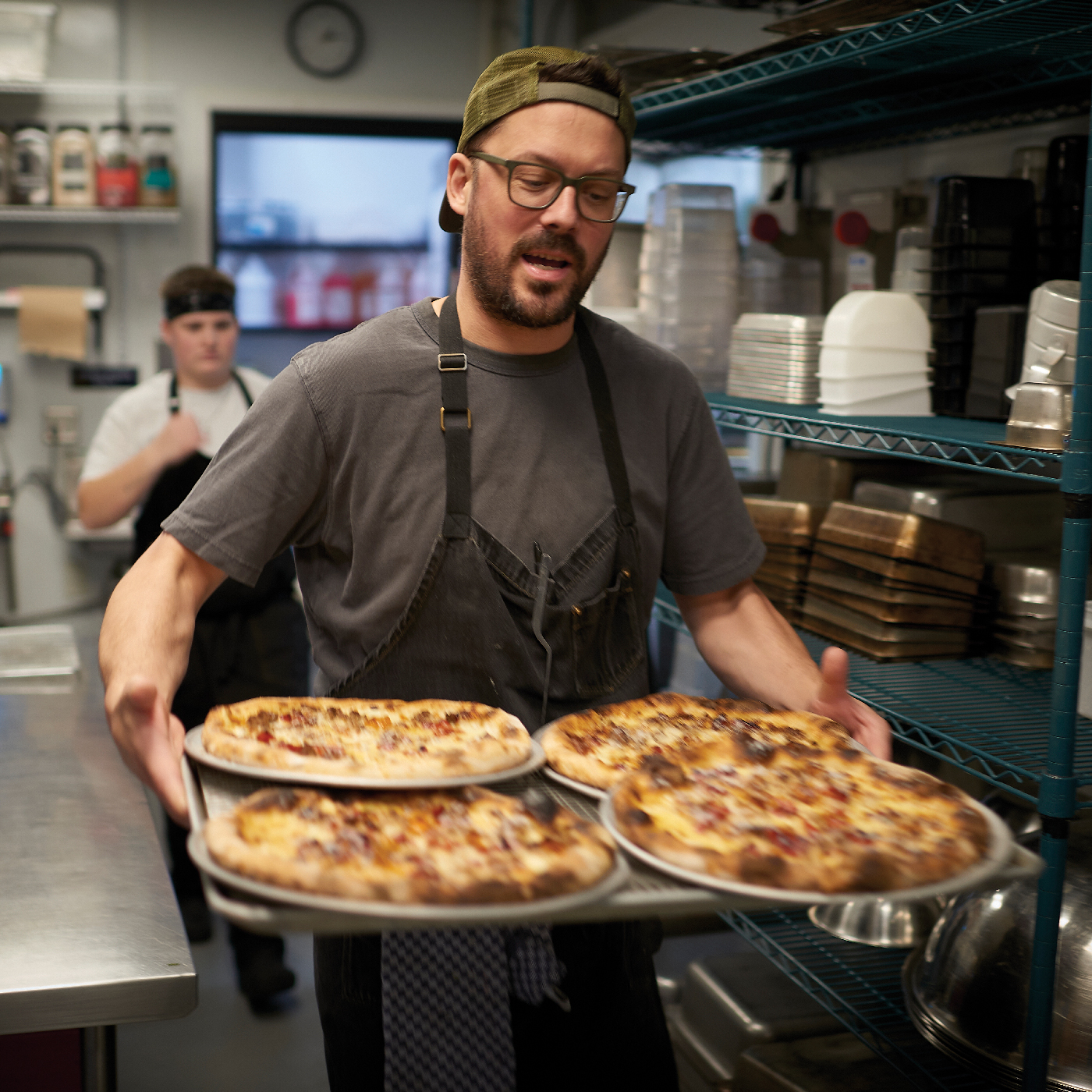
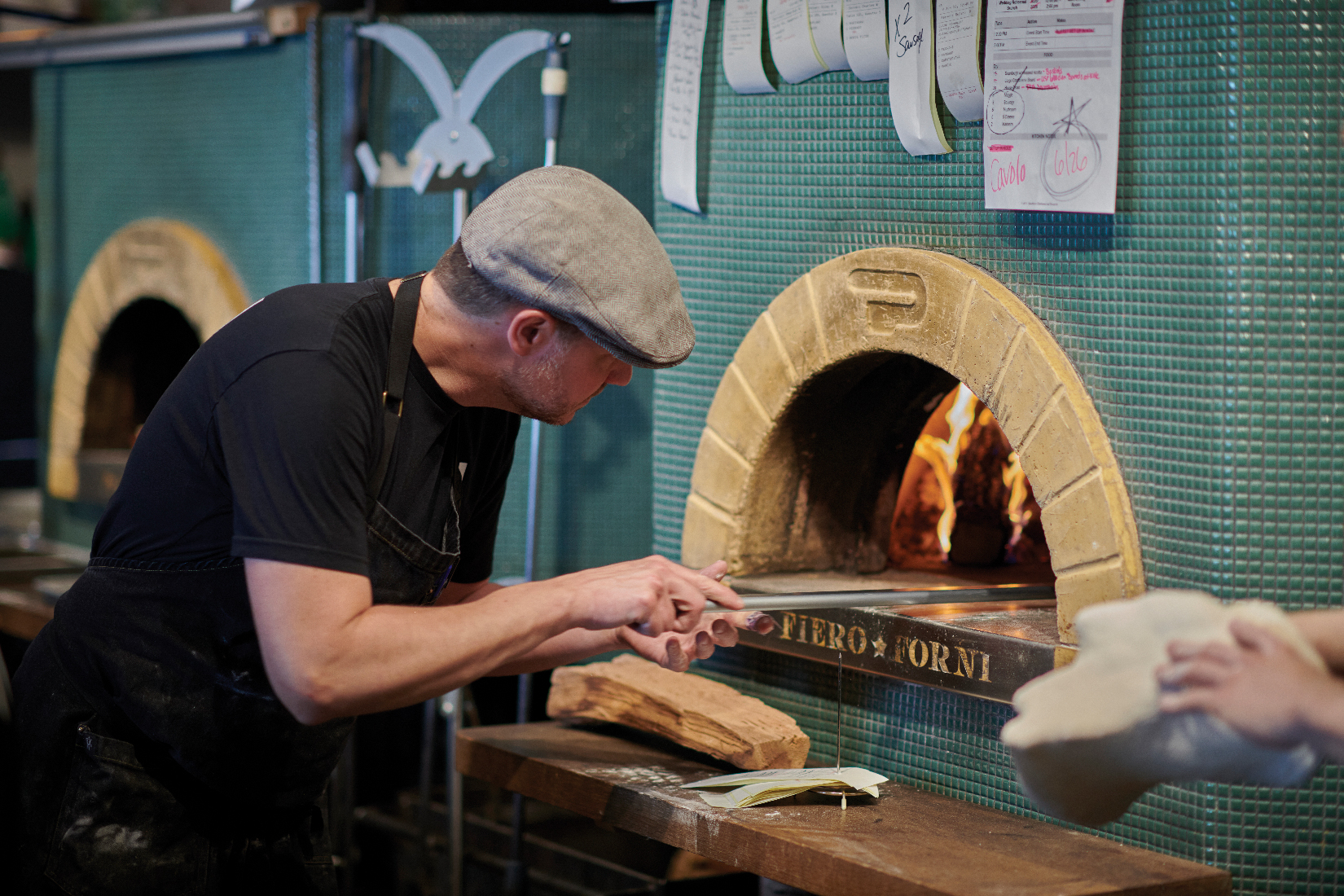
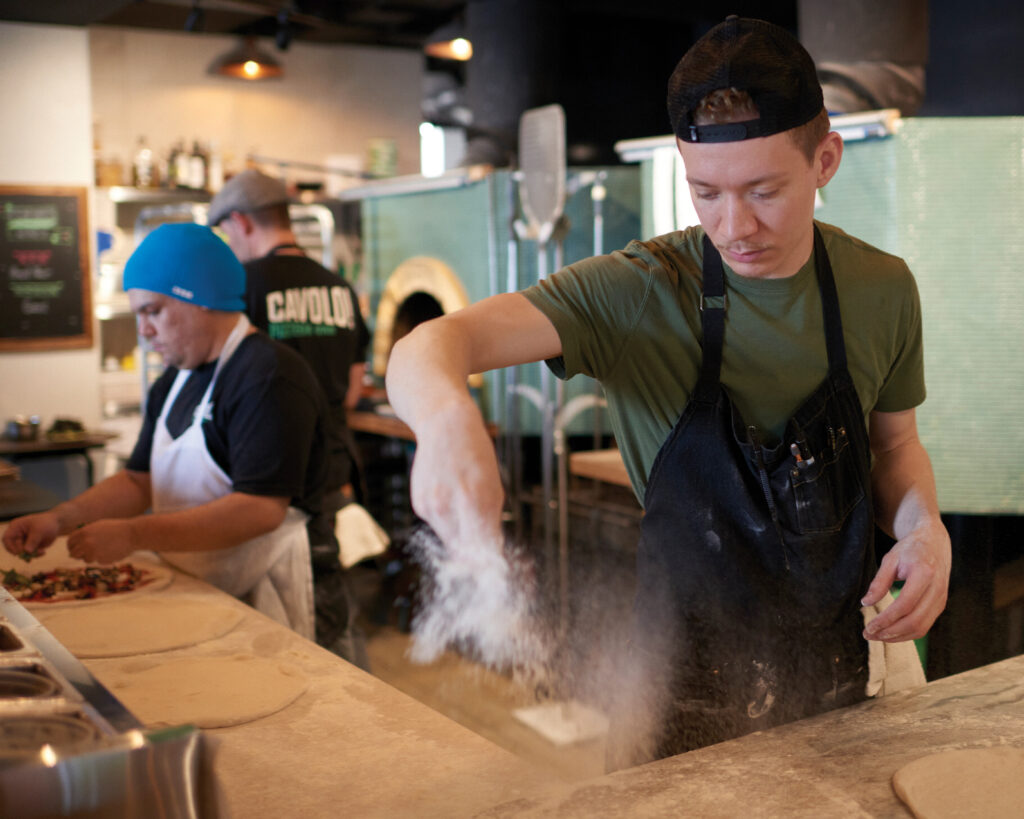
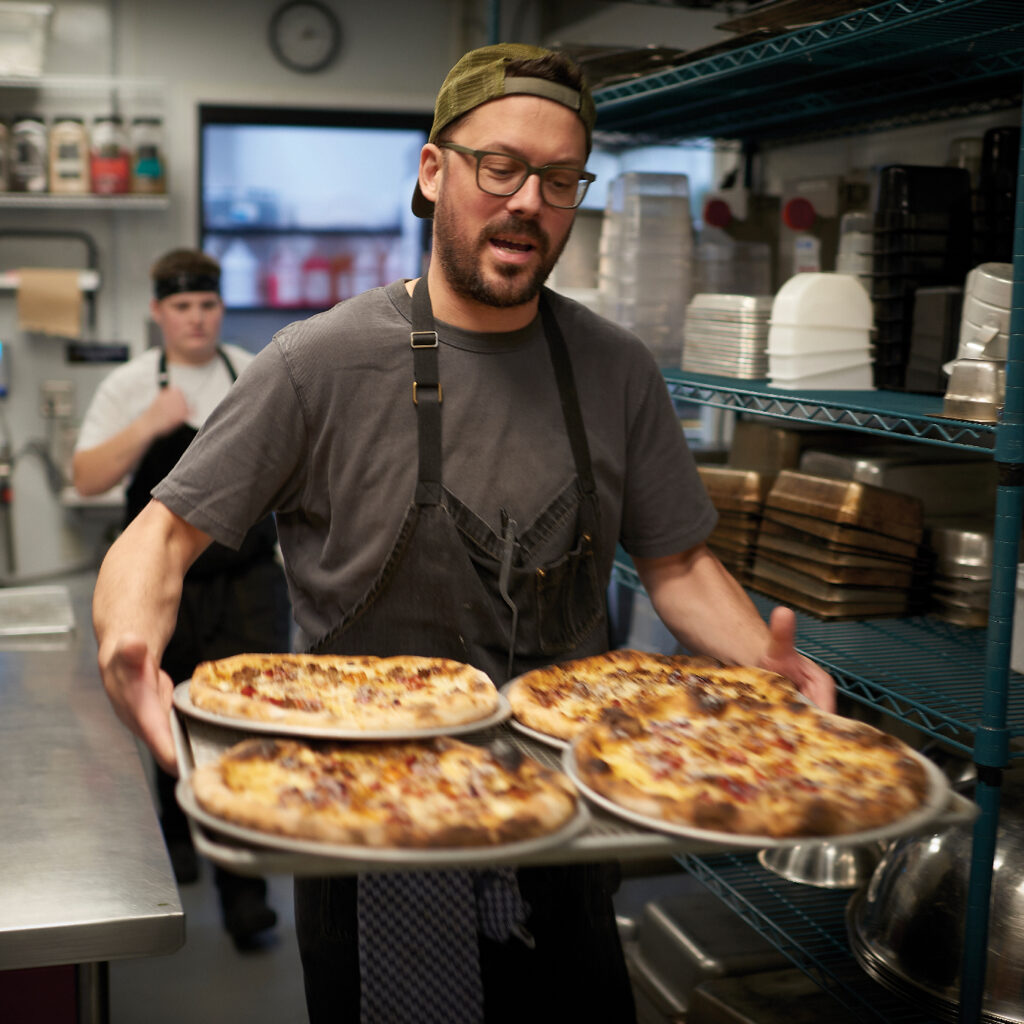
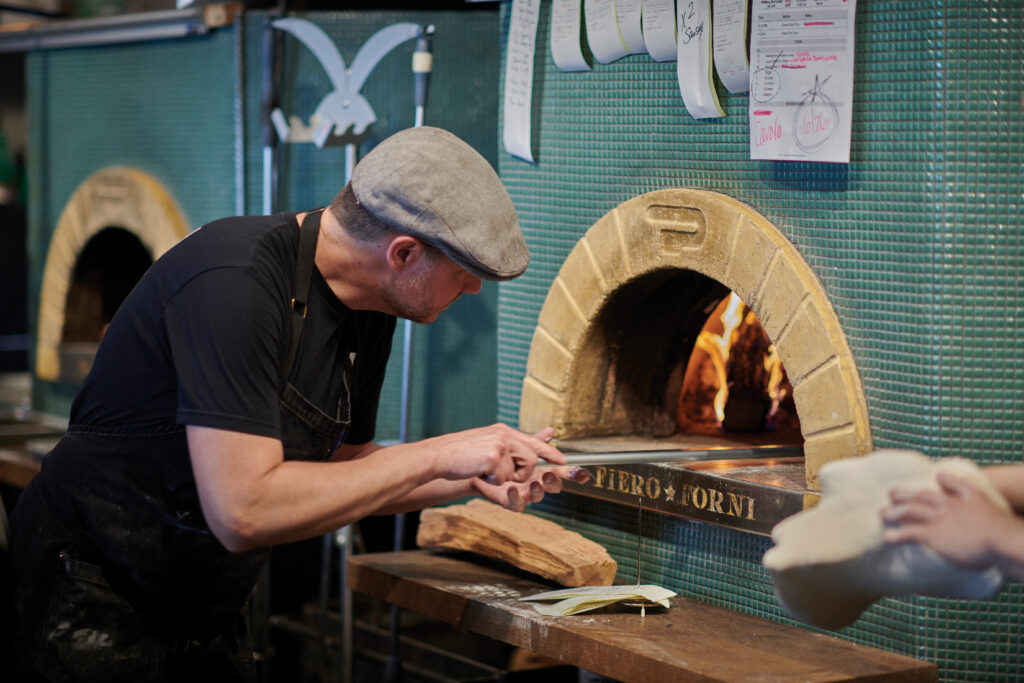
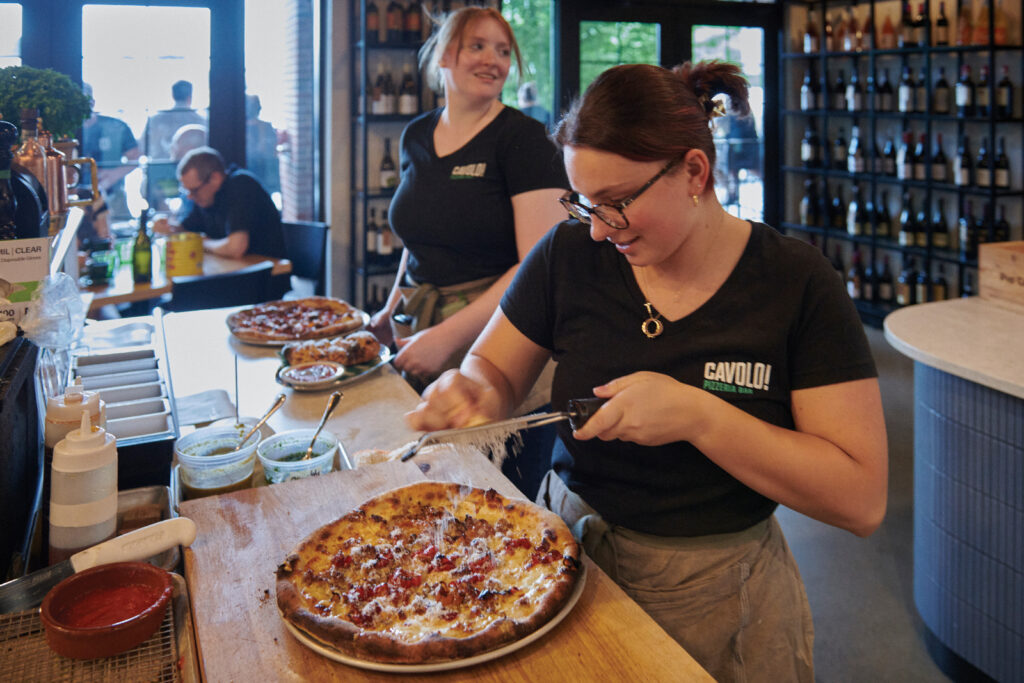
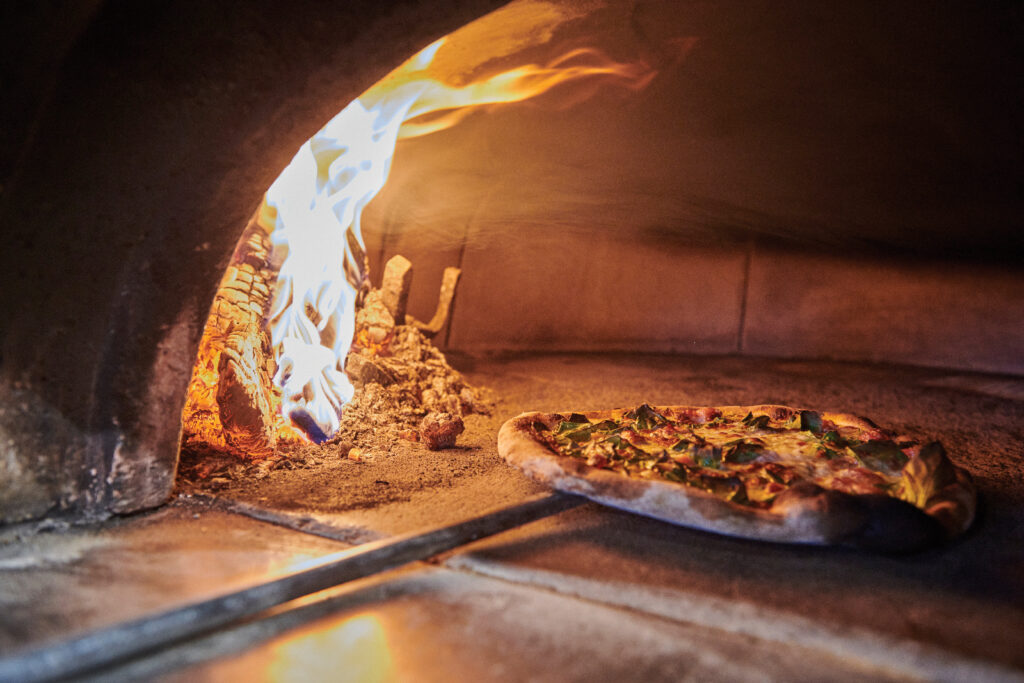
The goal of opening a second restaurant existed for years before Cavolo! opened. In Italian, its name translates to “cabbage” and is slang for “holy smokes.” As the adjacent Market at Wilbur came to a close, an opportunity arose. Chef Max’s vision entailed a restaurant with a clear Italian identity, one that would complement KōLE’s live-fire cooking, while honoring the building and community. Co-owner Eric Hoover originally wanted to offer wood-fired pizza at Blackworth, so opening a wood-fired Italian pizzeria would be a natural fit.
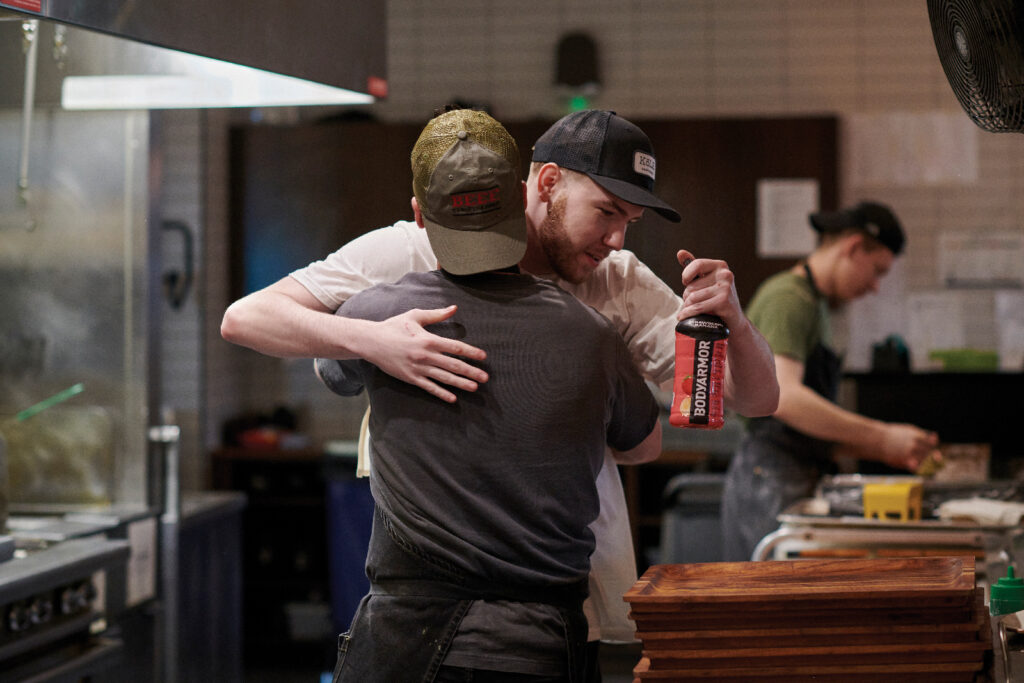
As a second restaurant, Cavolo! enables employees to pick up additional hours in a culture they know, with some variety in tasks, providing for a better work-life balance. “It’s one team at the end of the day,” says Chef Max.
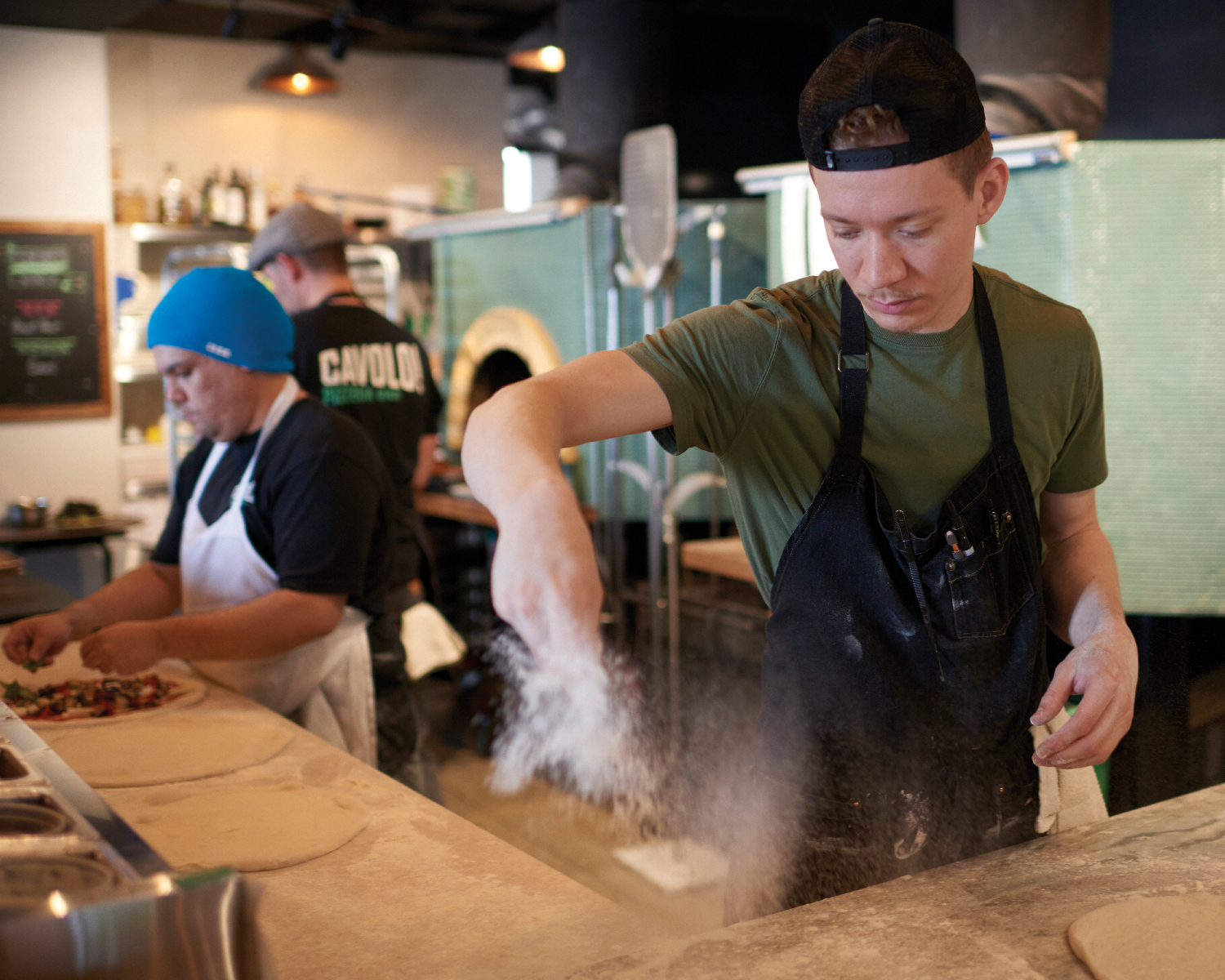
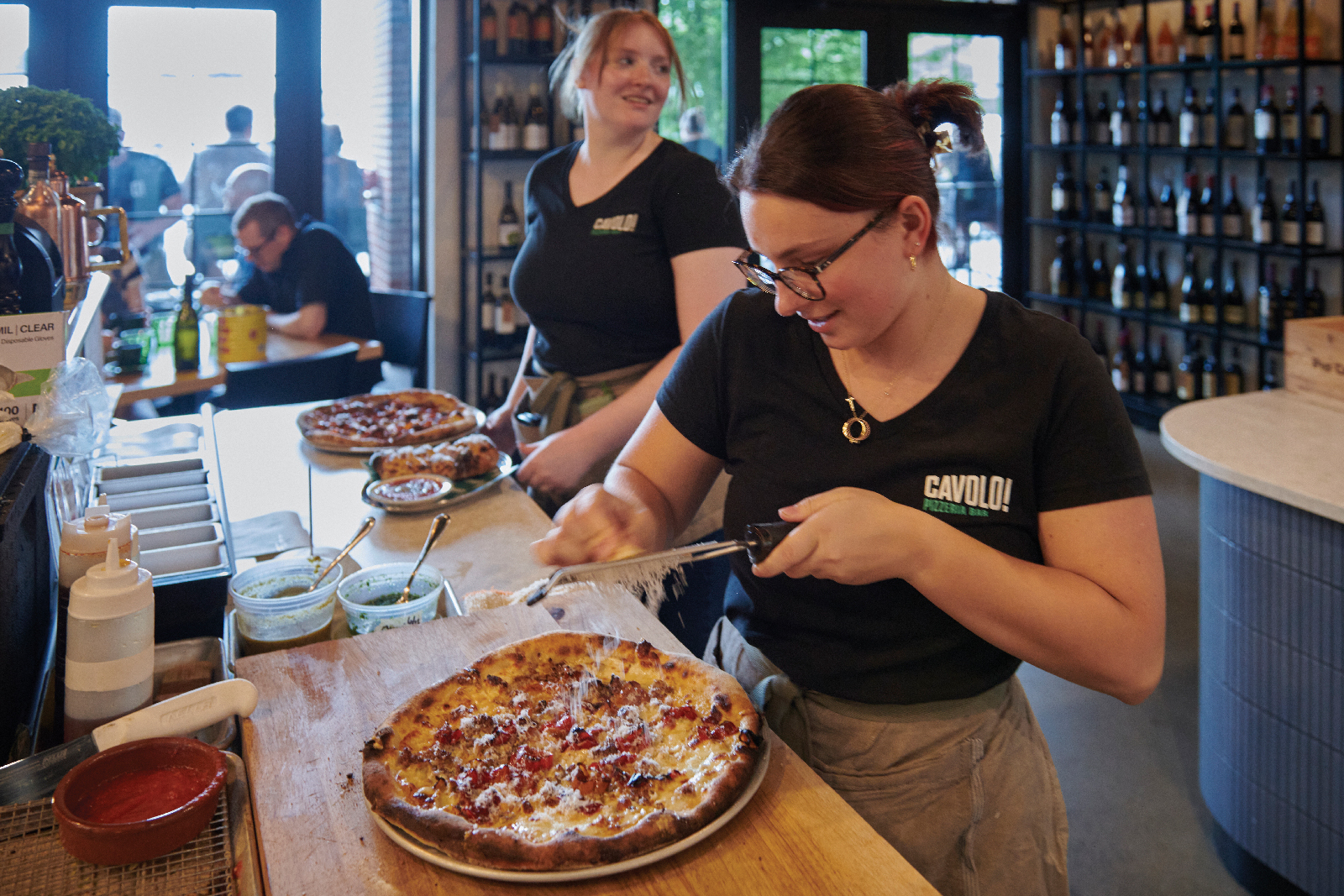
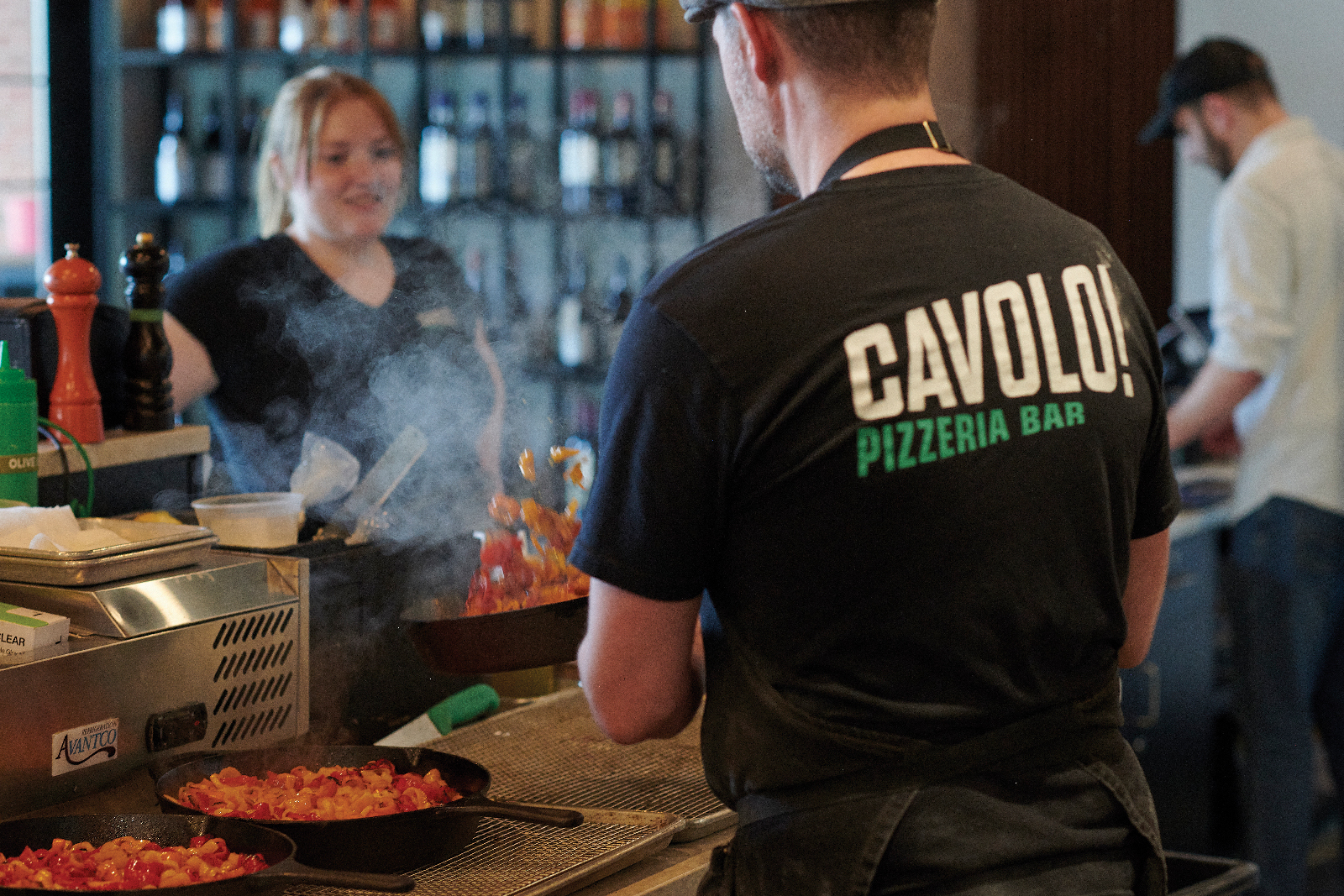
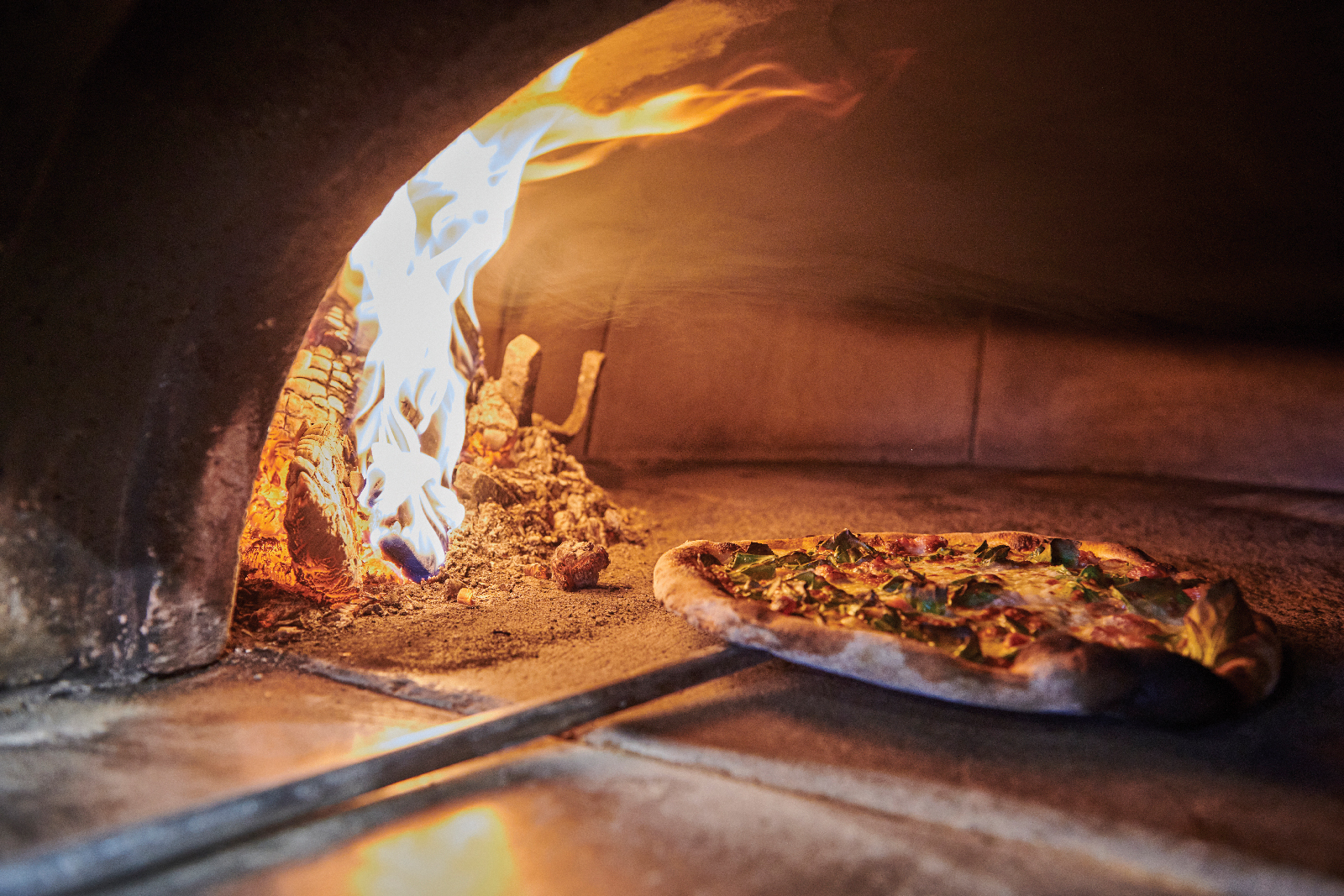
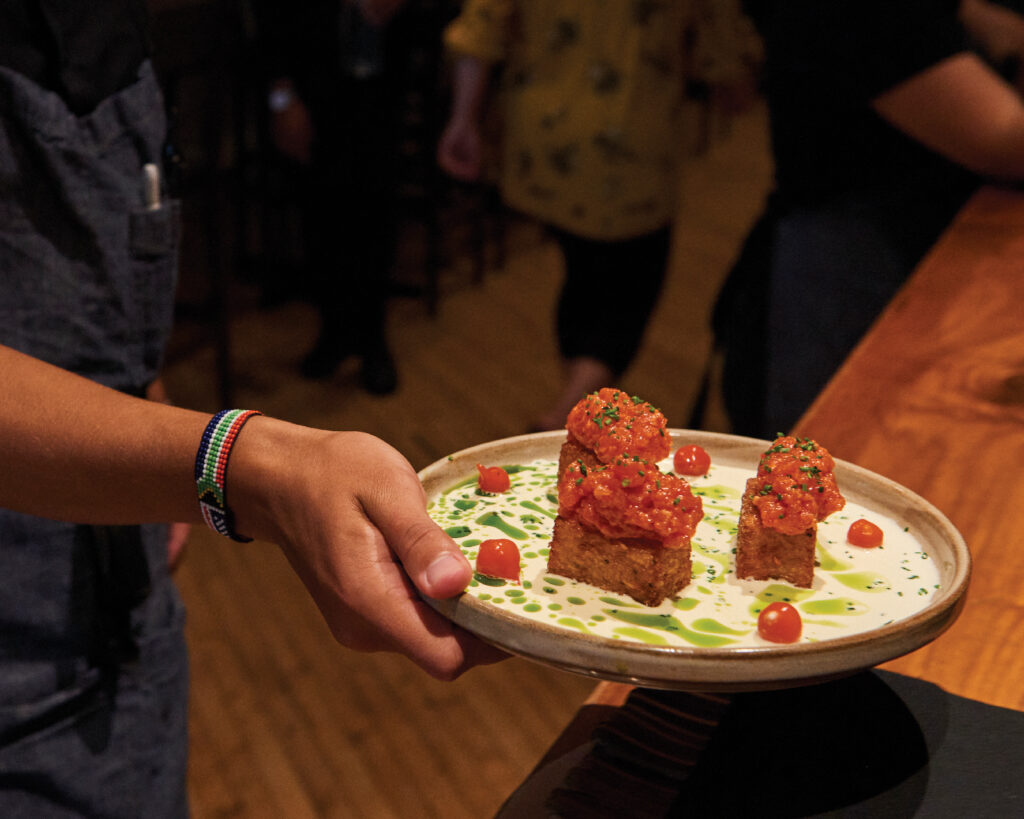
Cavolo! Pizzeria Bar is approachable with a locally seasonal menu. Wine is supplied by Vine Bar Collective, an importer of organic Italian wine, with a tasting room in Downtown Lancaster. Make no mistake, the cooking at Cavolo! is every bit as delightful as at KōLE.
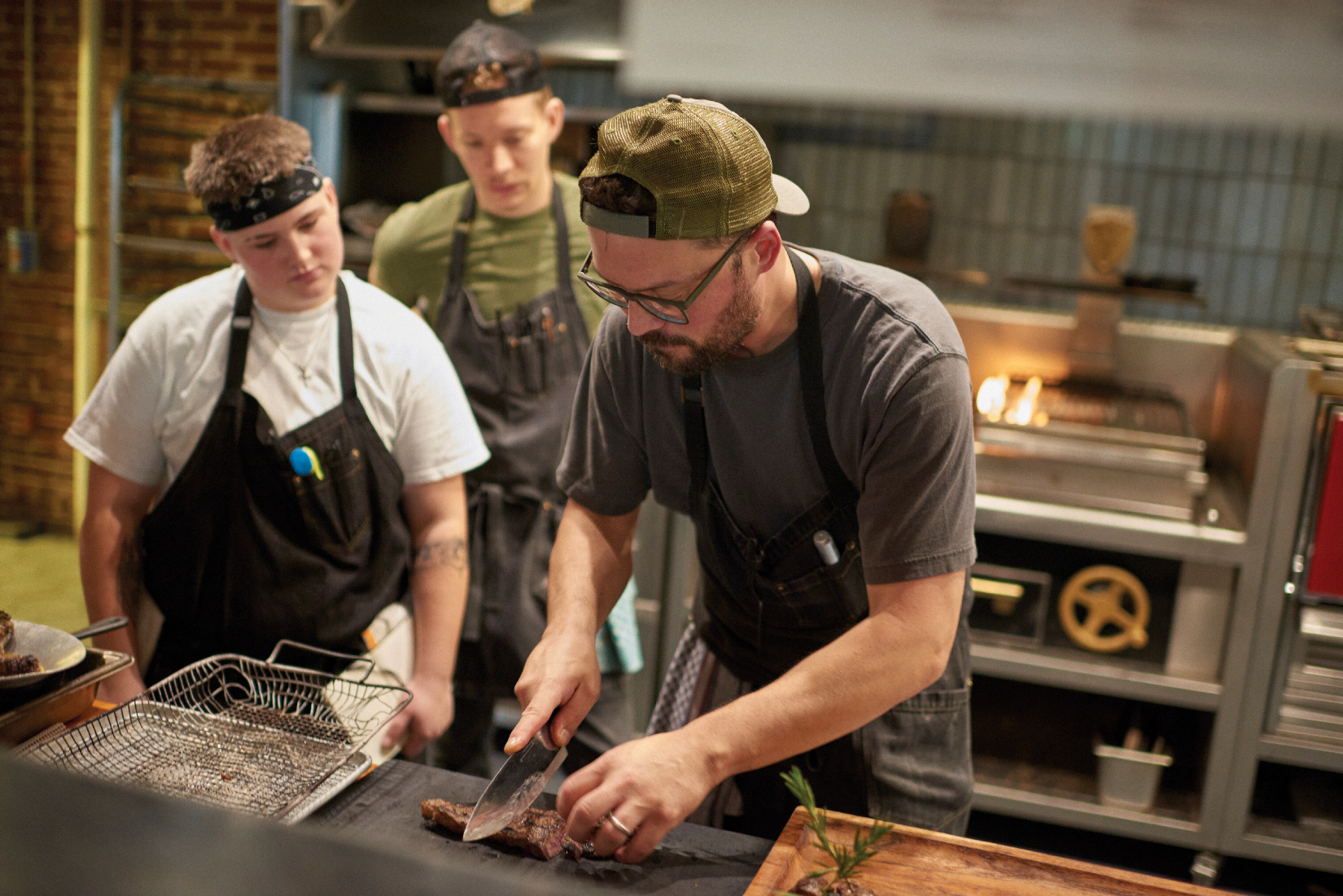
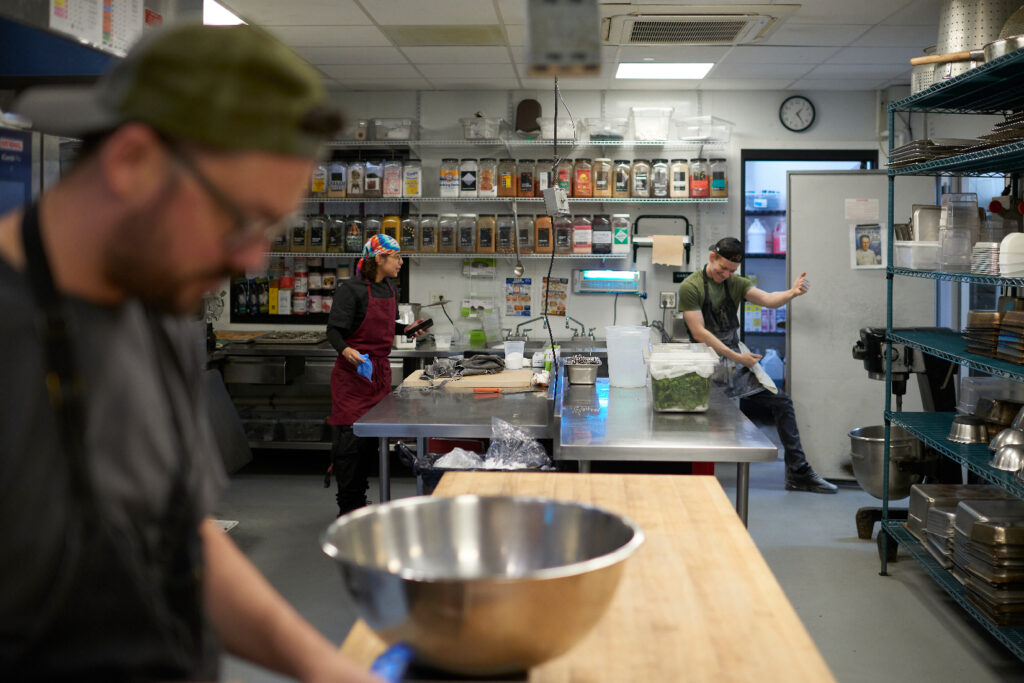
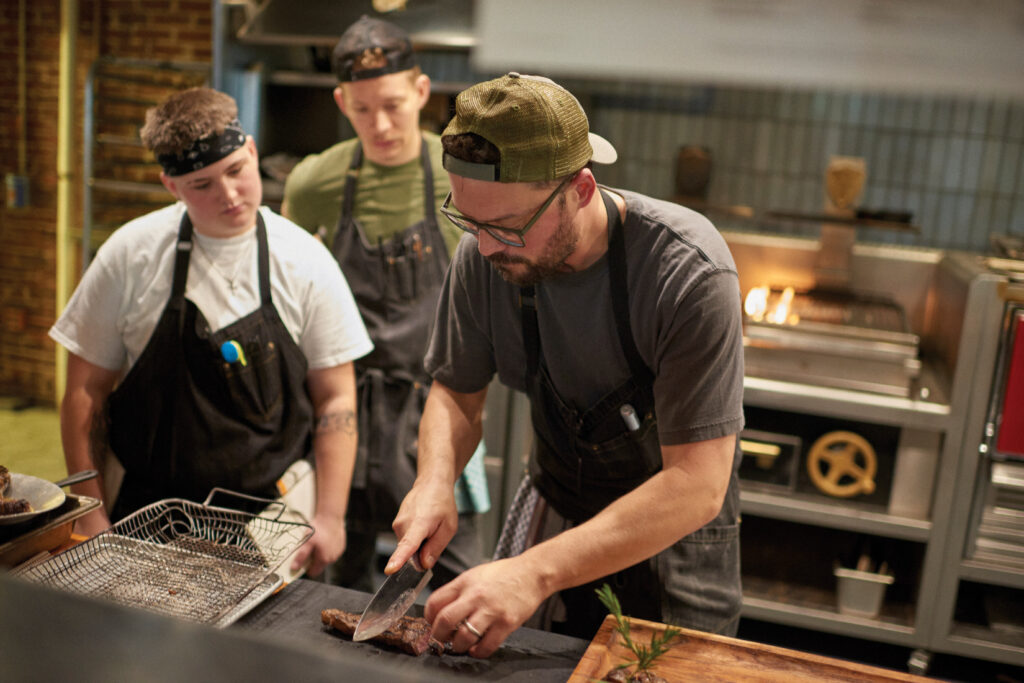
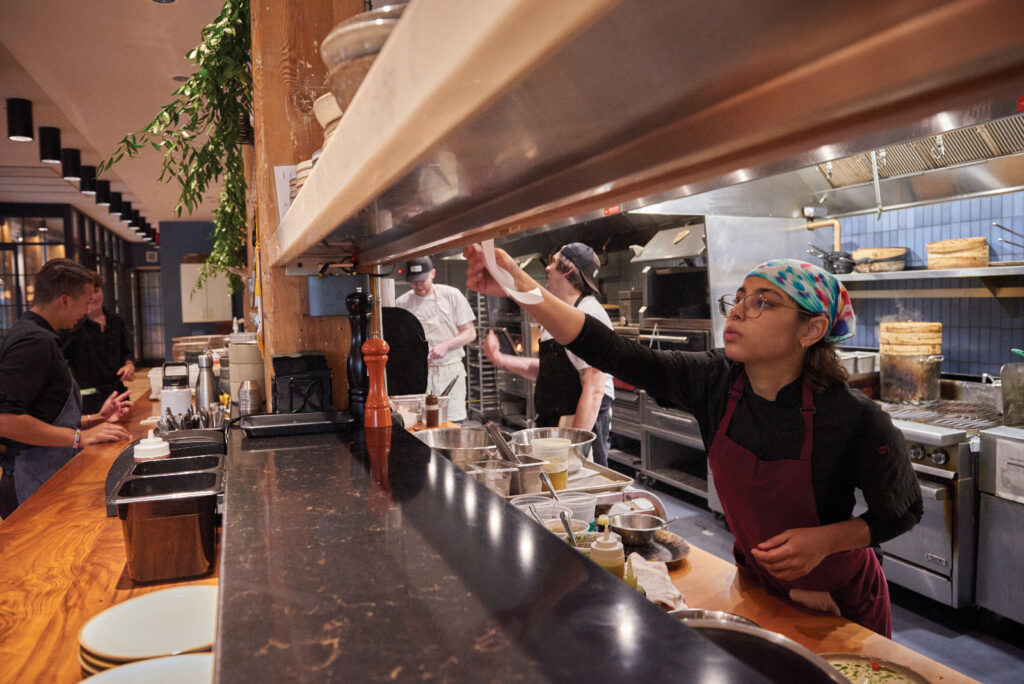
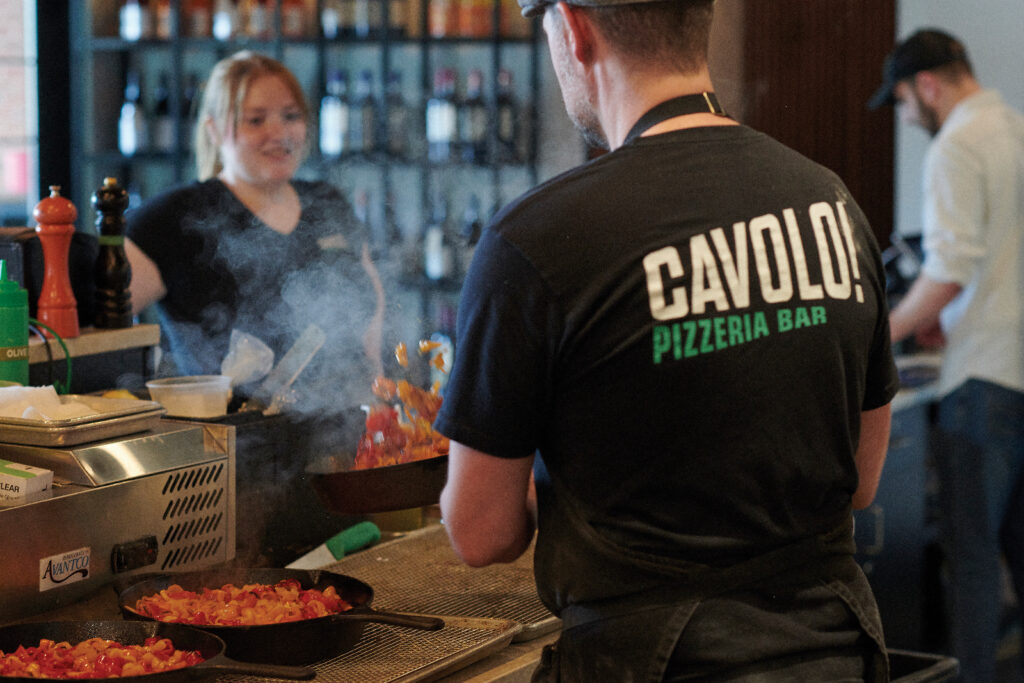
Where Cavolo! stops and KōLE begins, the team is “all hands on deck,” says Chef Max. A narrow corridor connects the two restaurants in the back of house for a team that is able to fill multiple roles. It takes training, experience and trust in those abilities, with “aces in their places,” adds Executive Sous Chef Quincy Young, whose culinary background started with a high school career-and-technology program. His initiative and drive have grown his skills to assume a position of leadership in both restaurants.
Teamwork
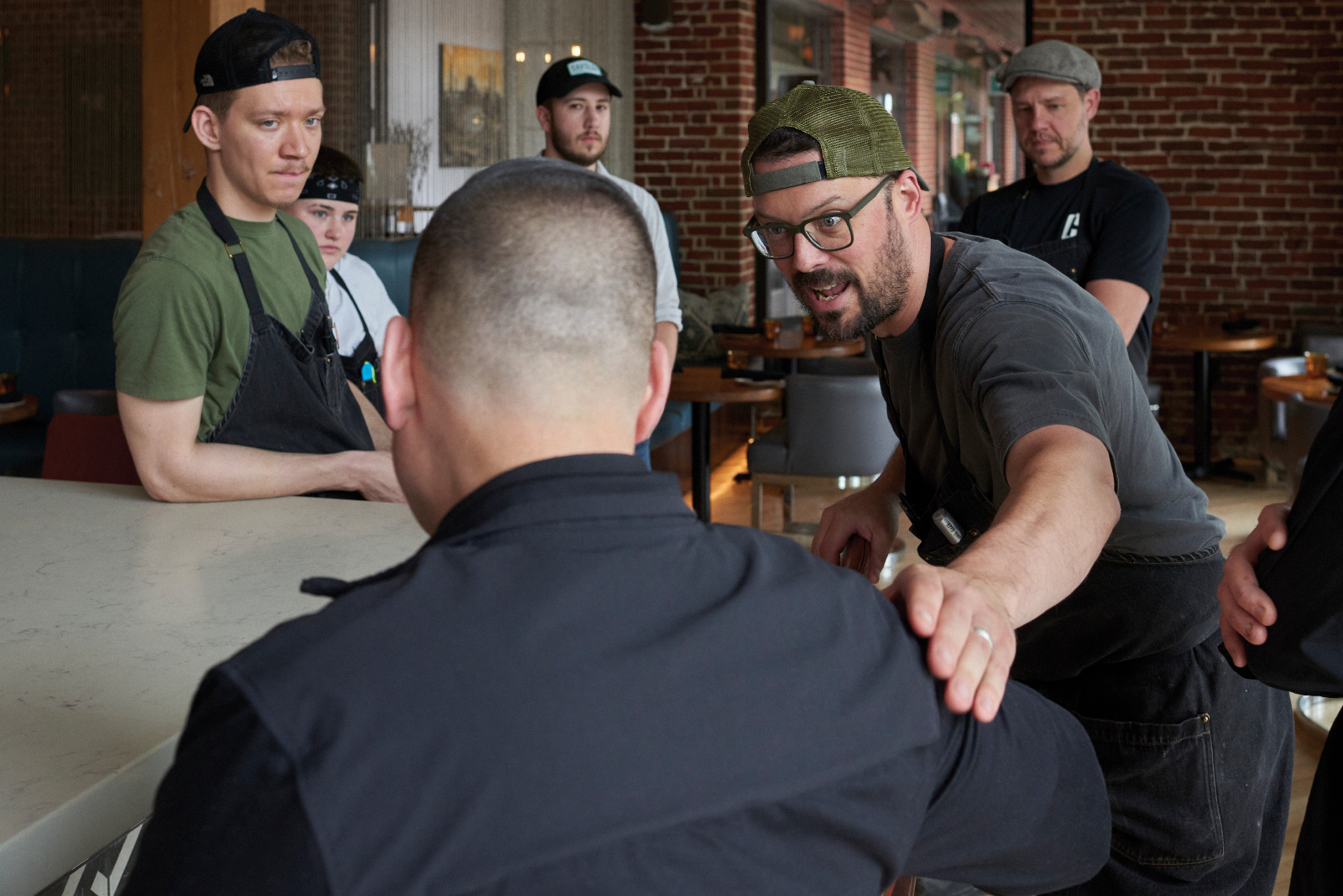
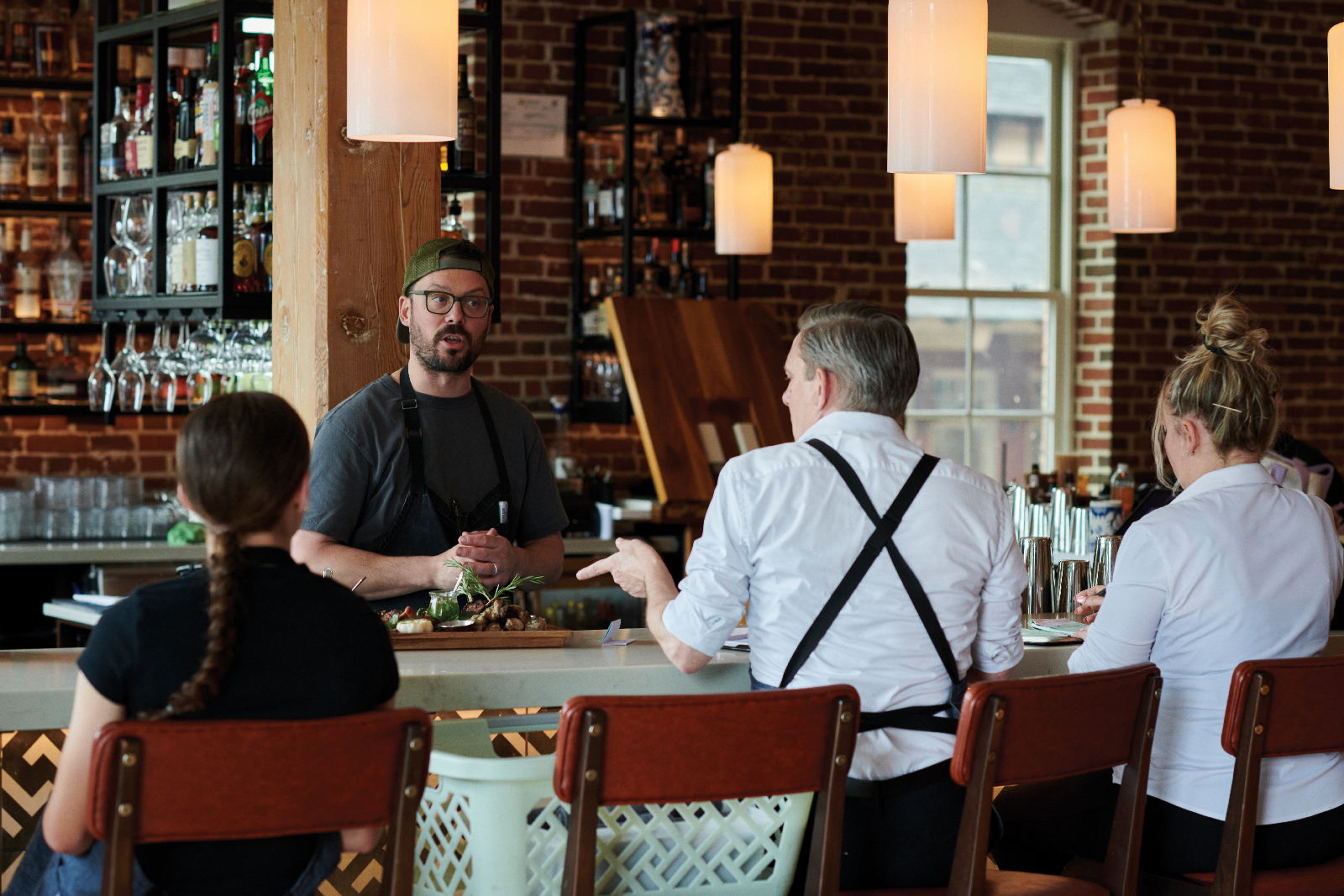
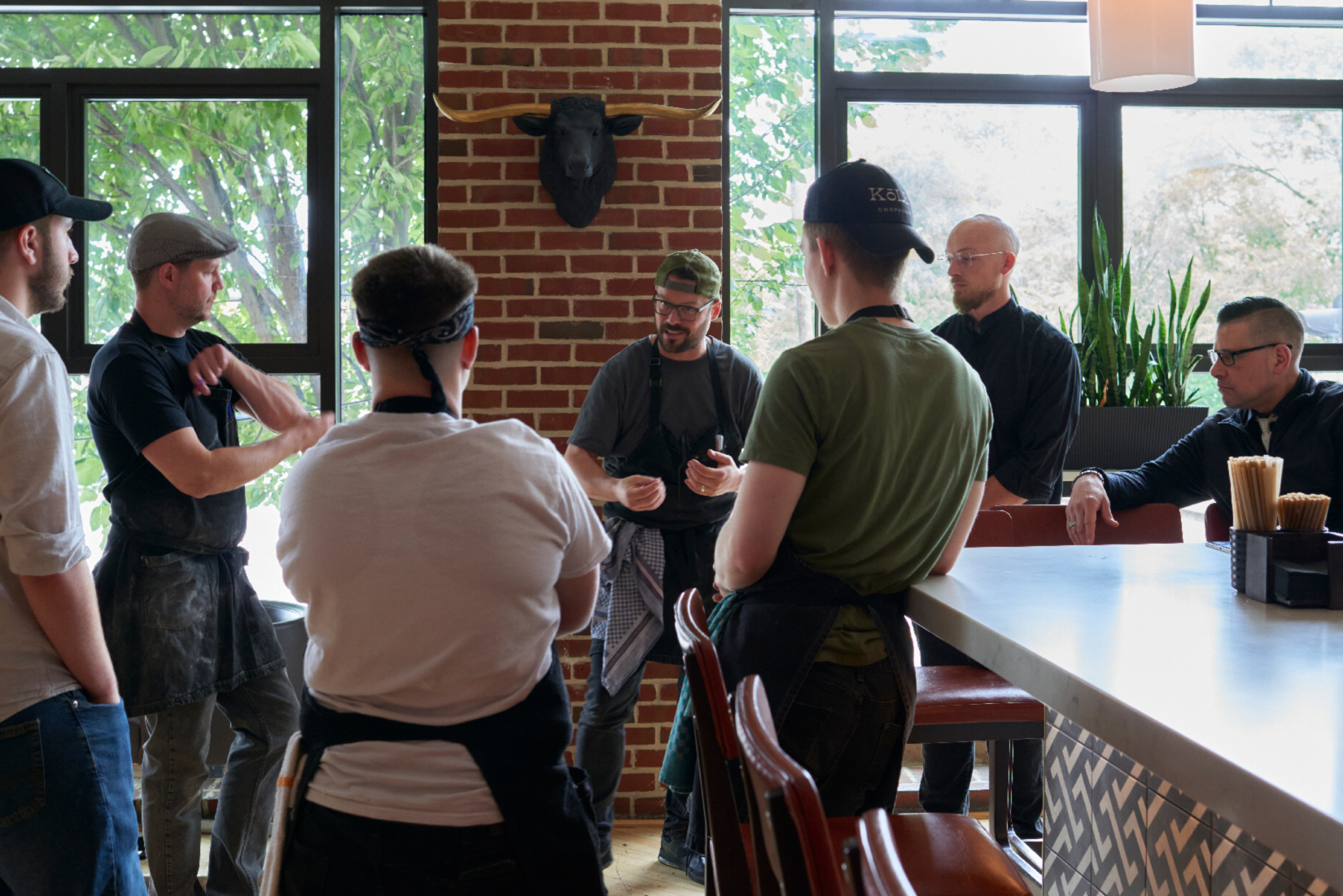
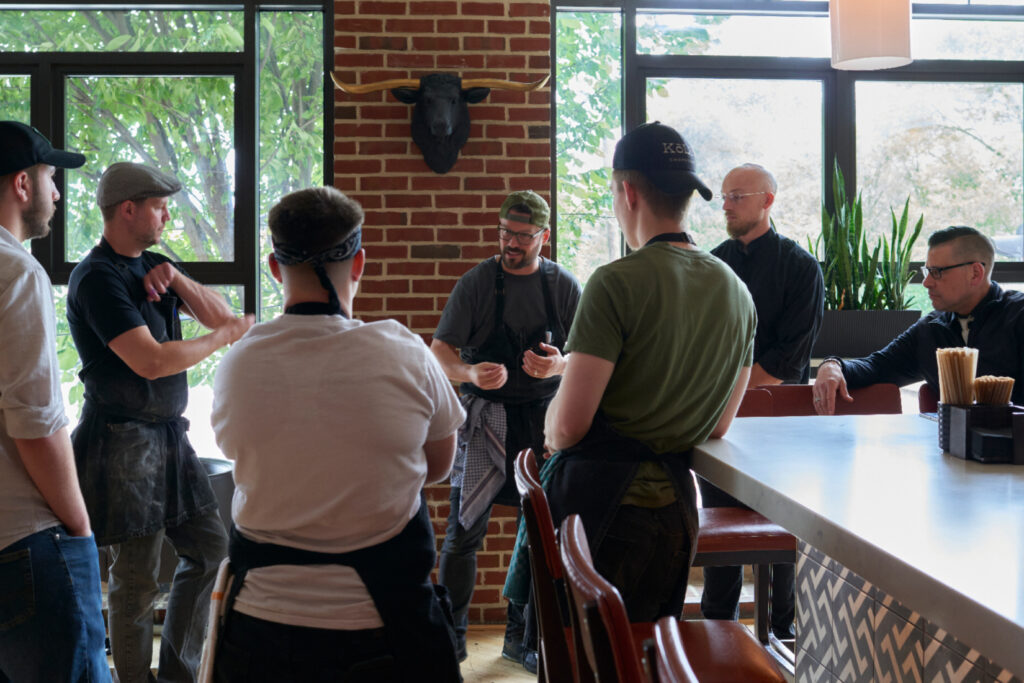
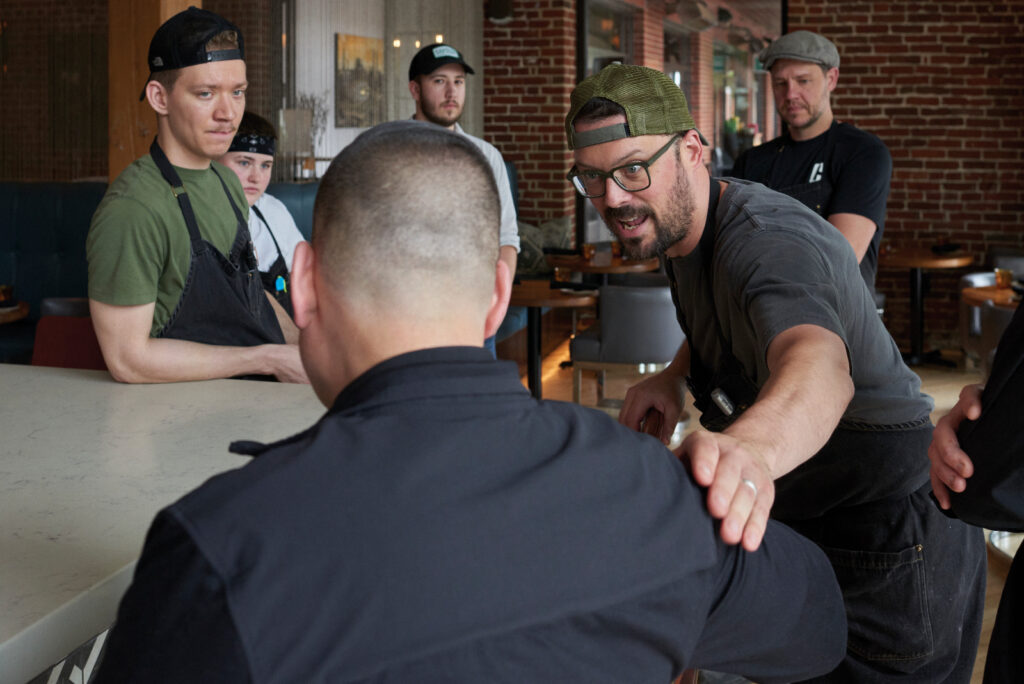
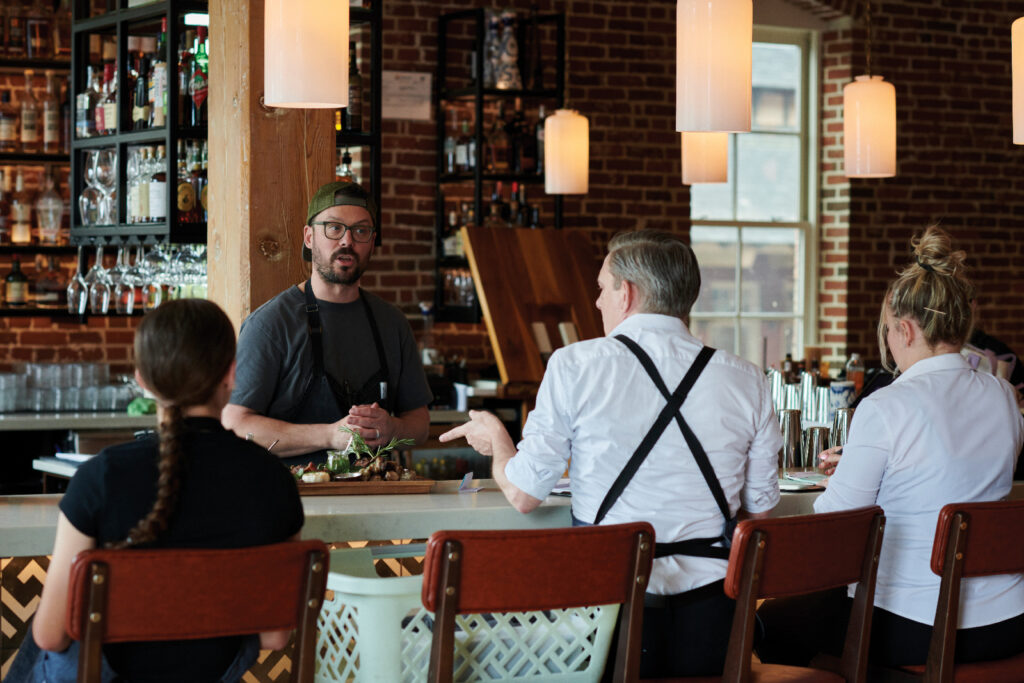
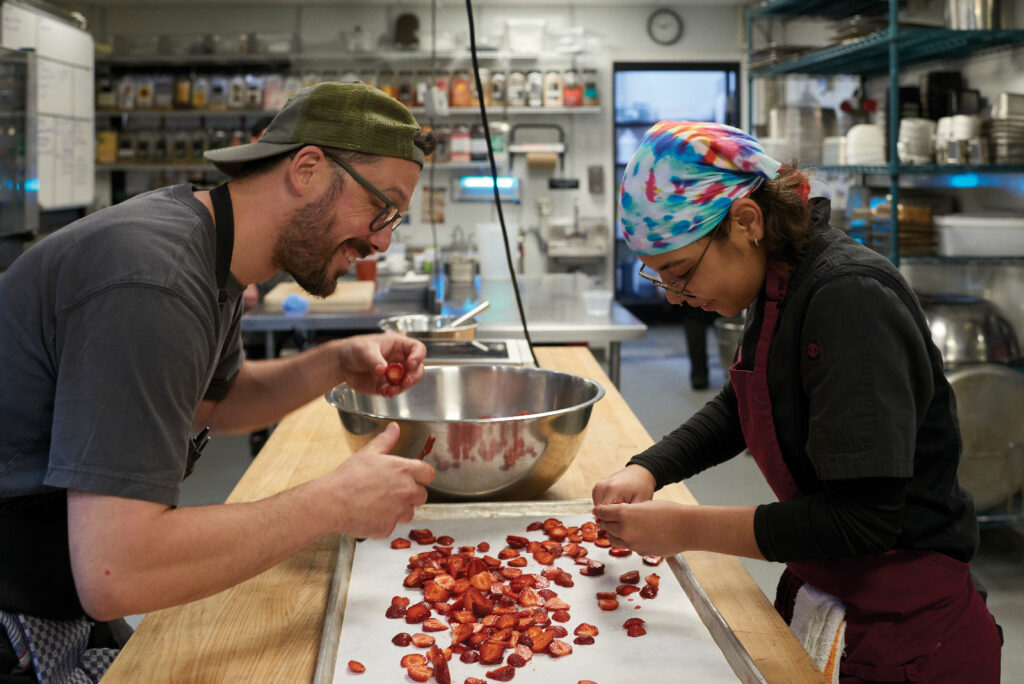
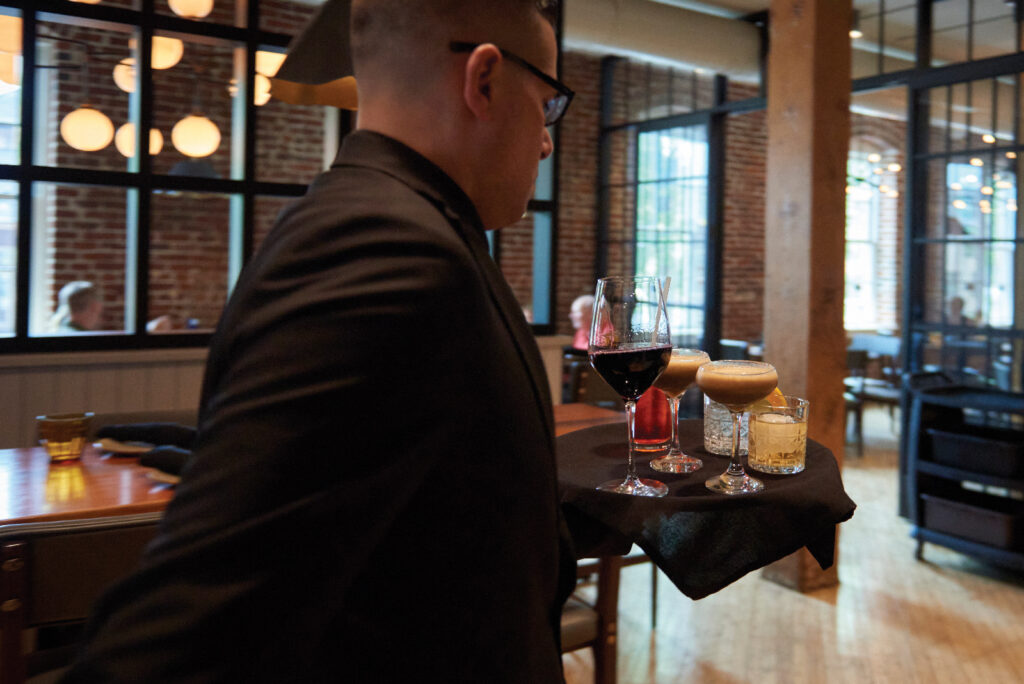
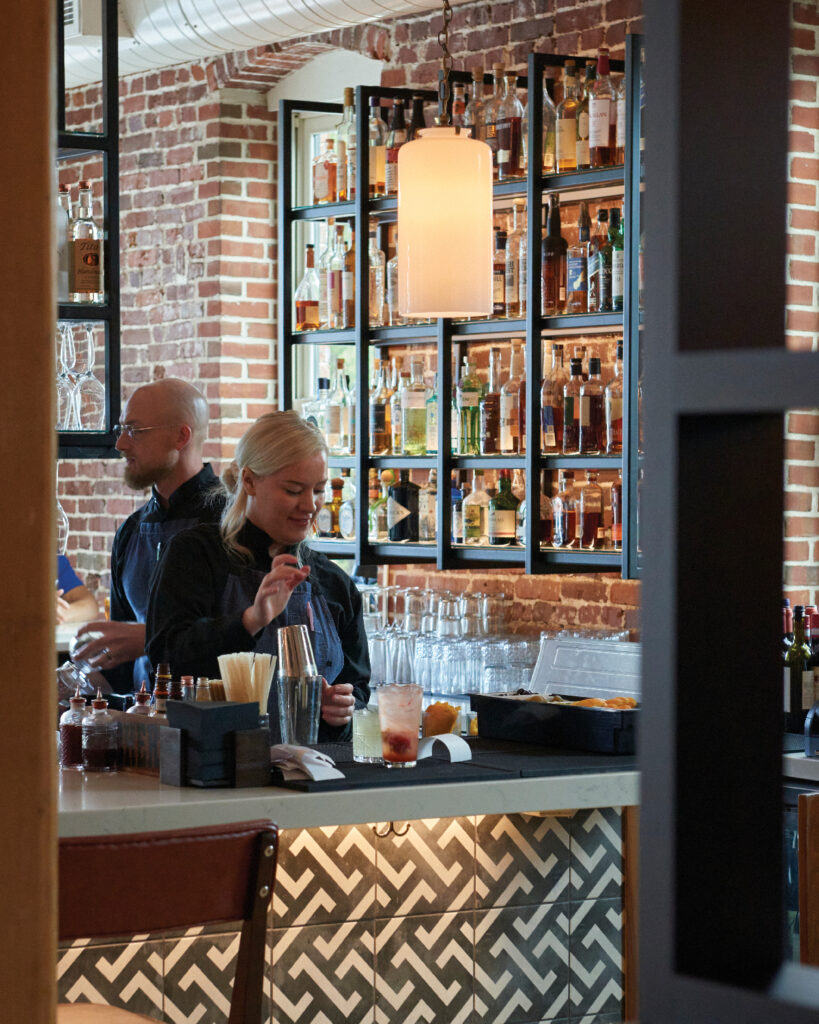
Just before opening, staff gather for a 3:30 “pre-shift” meeting at the bar. Staff members review additions to the menu, asking questions, taking notes, digging deep into specifics; it’s a culinary classroom. Meanwhile, Maître d’ Daniel Arauco updates the menu, printing as many as several hundred, all in-house.
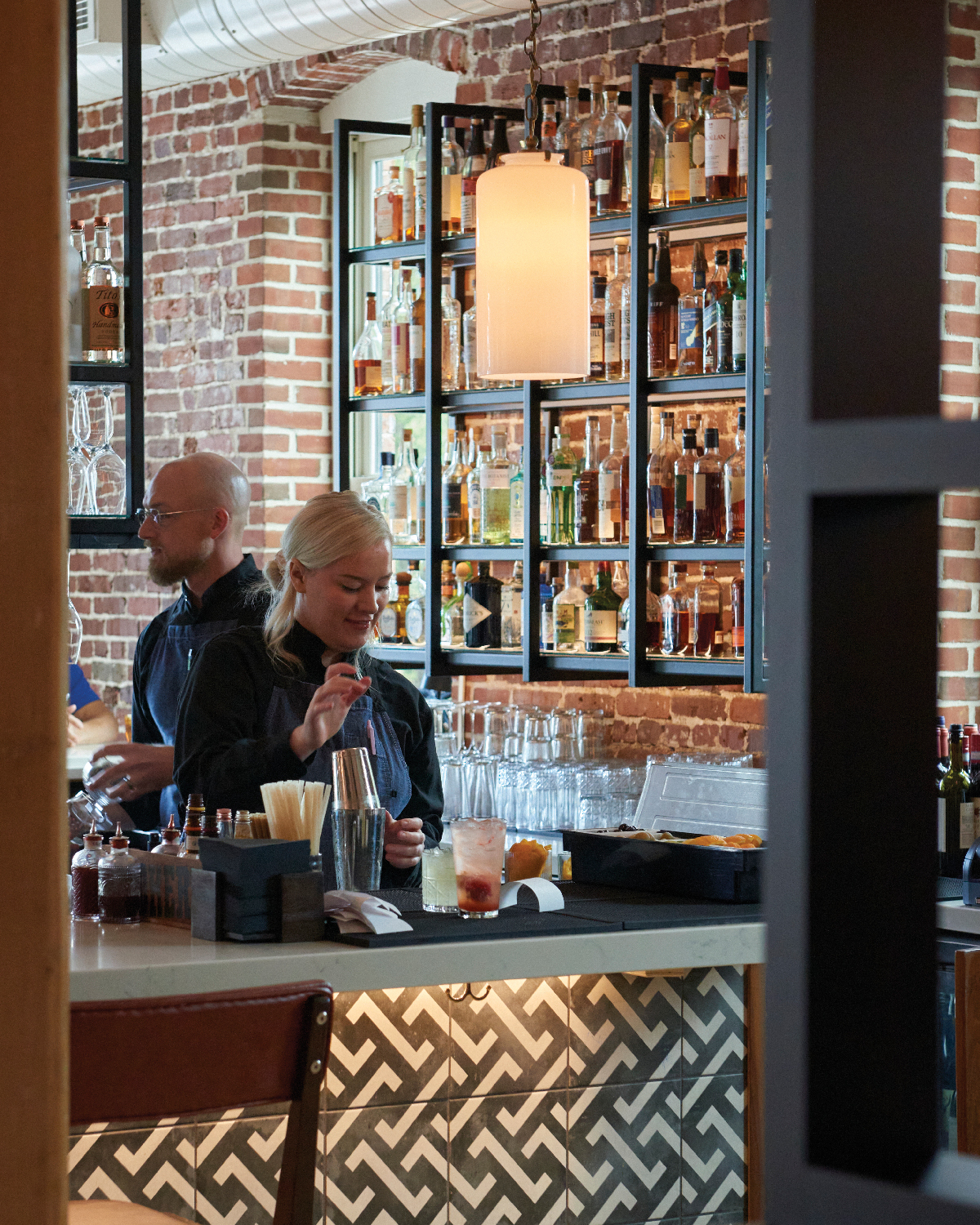
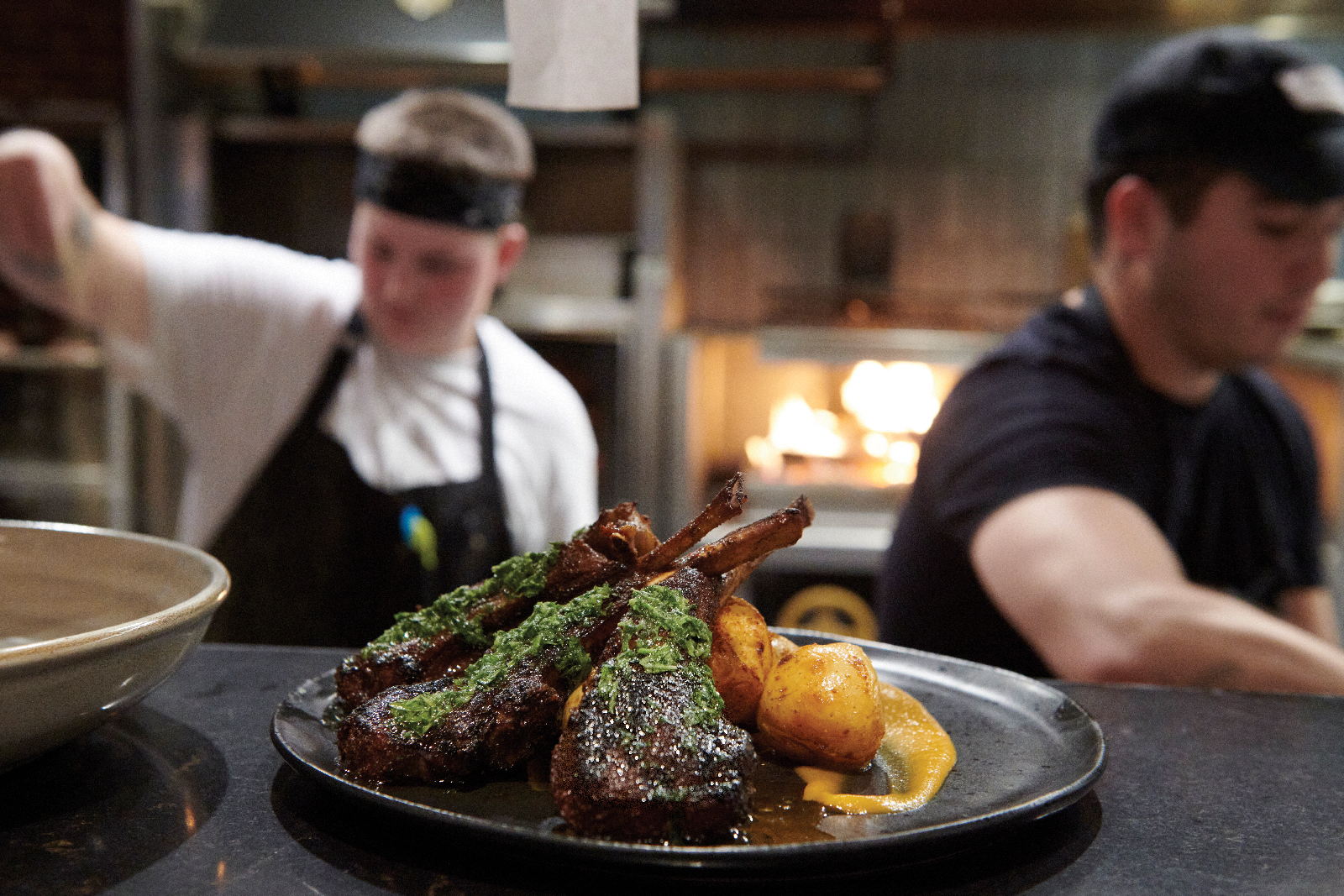
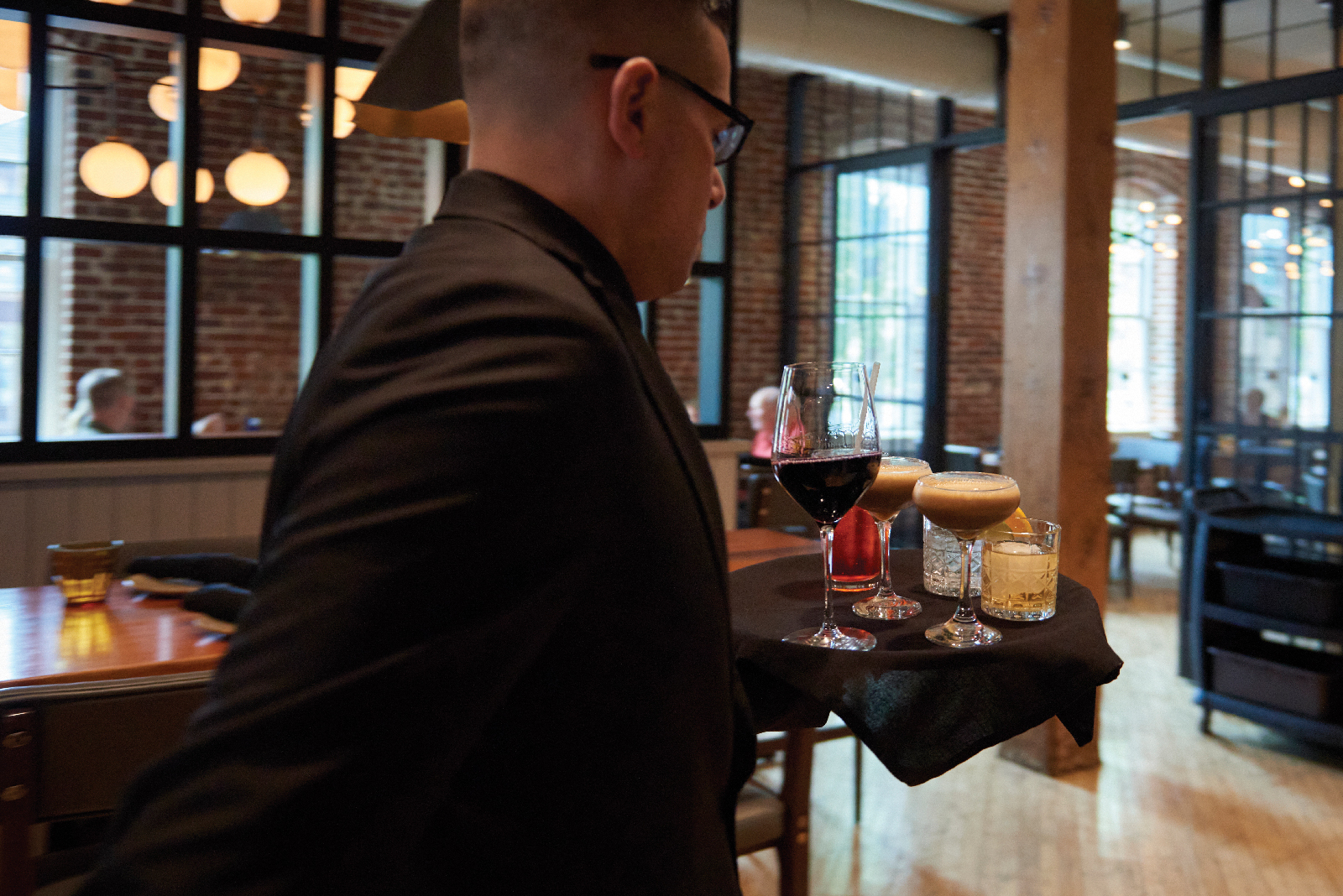
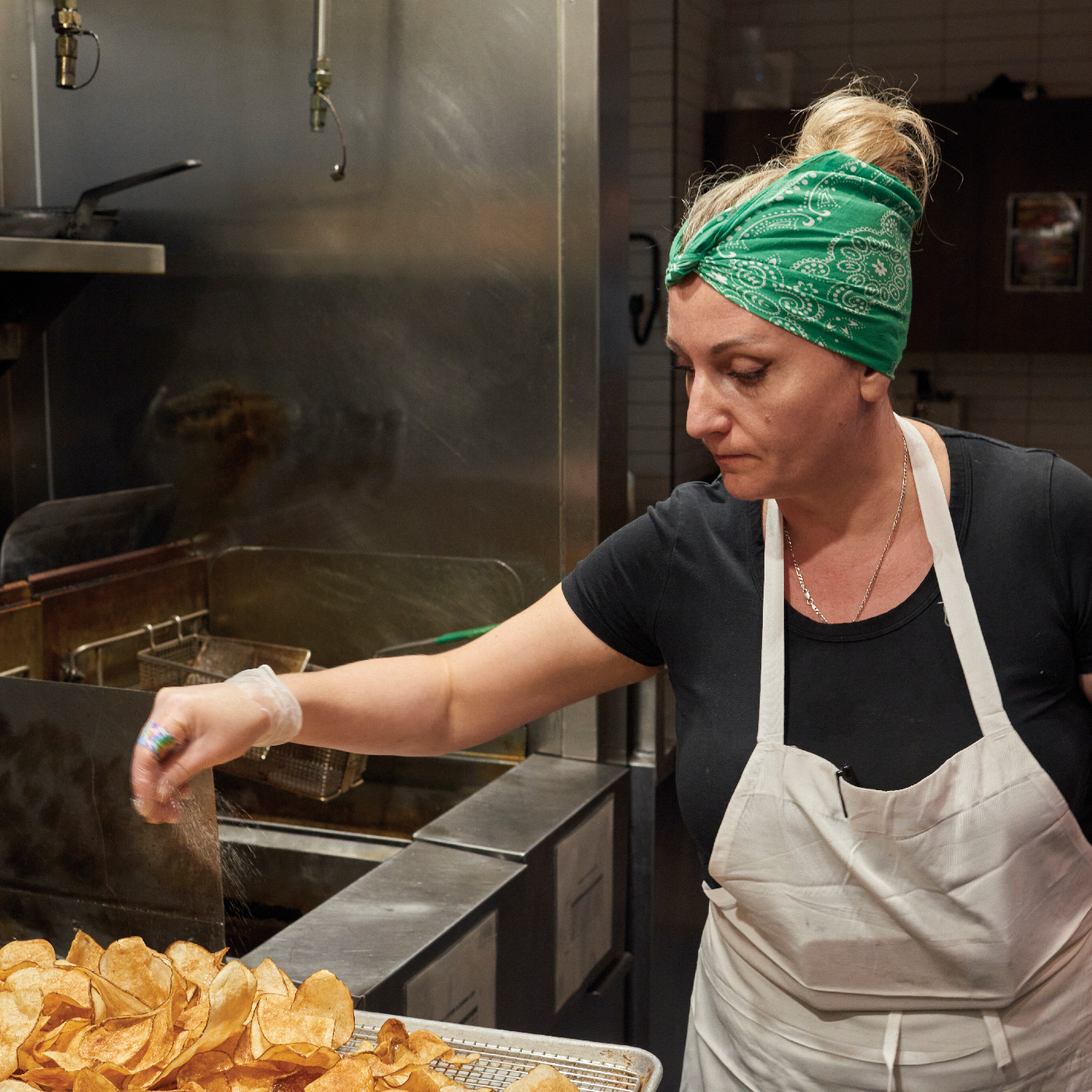
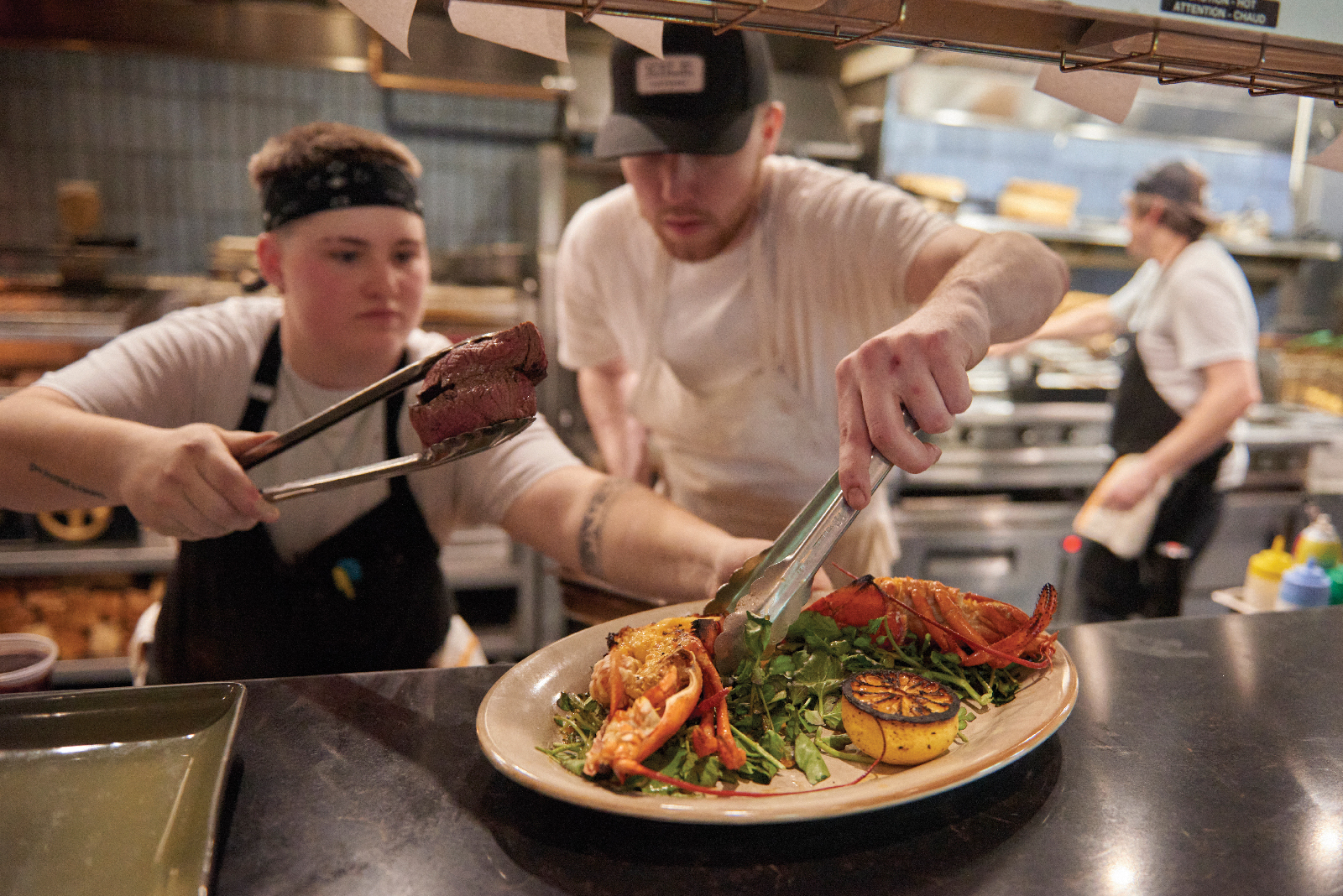
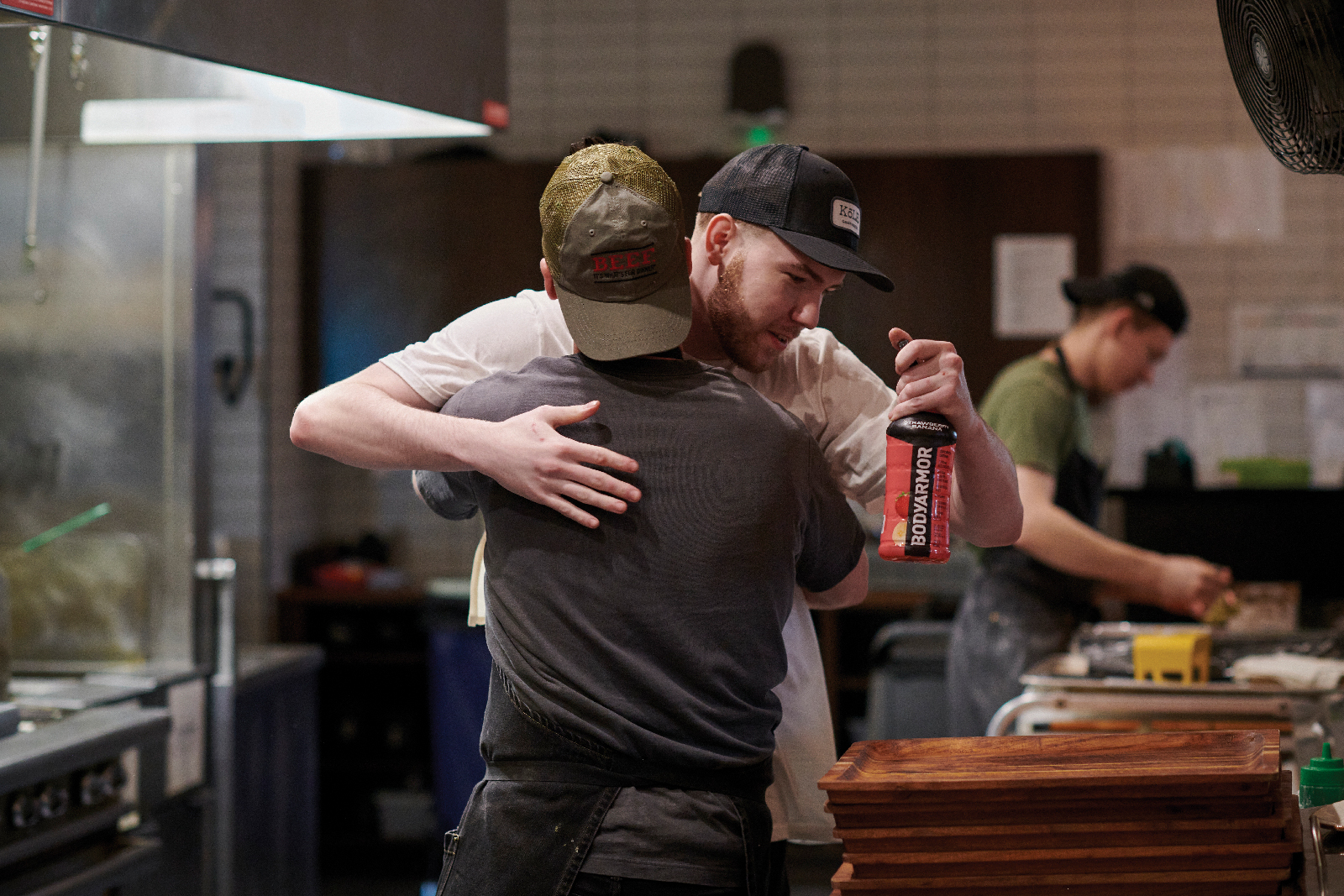
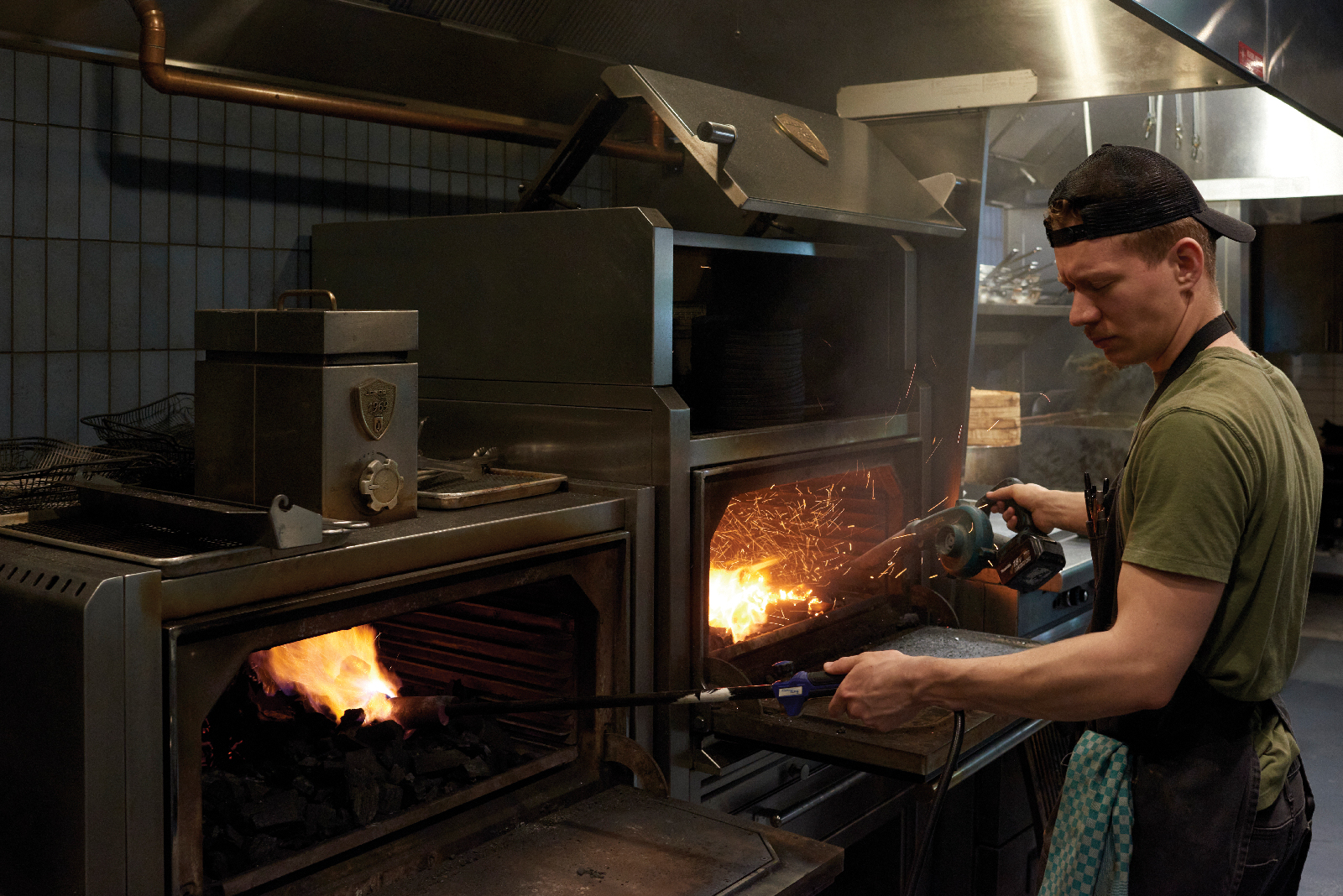
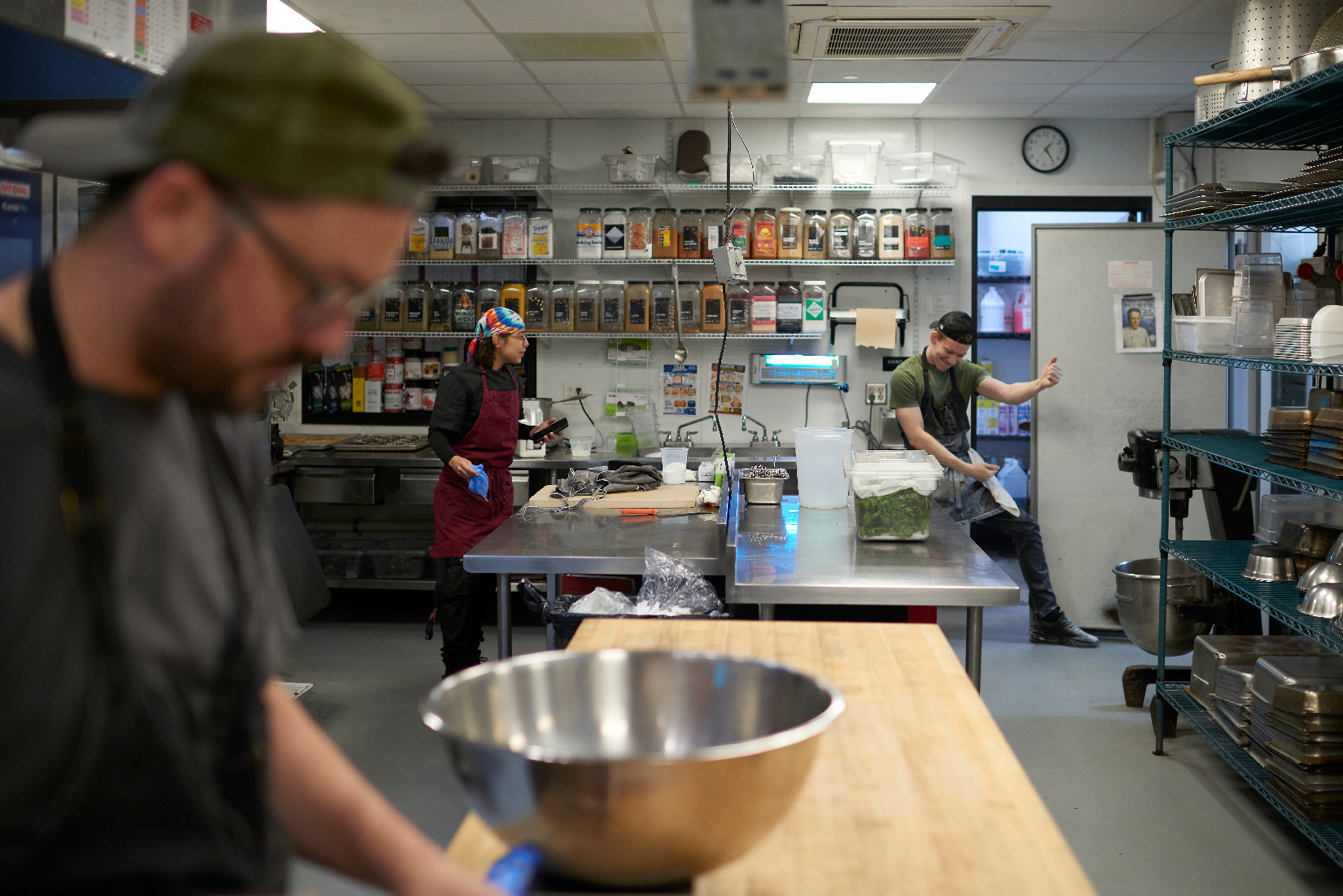
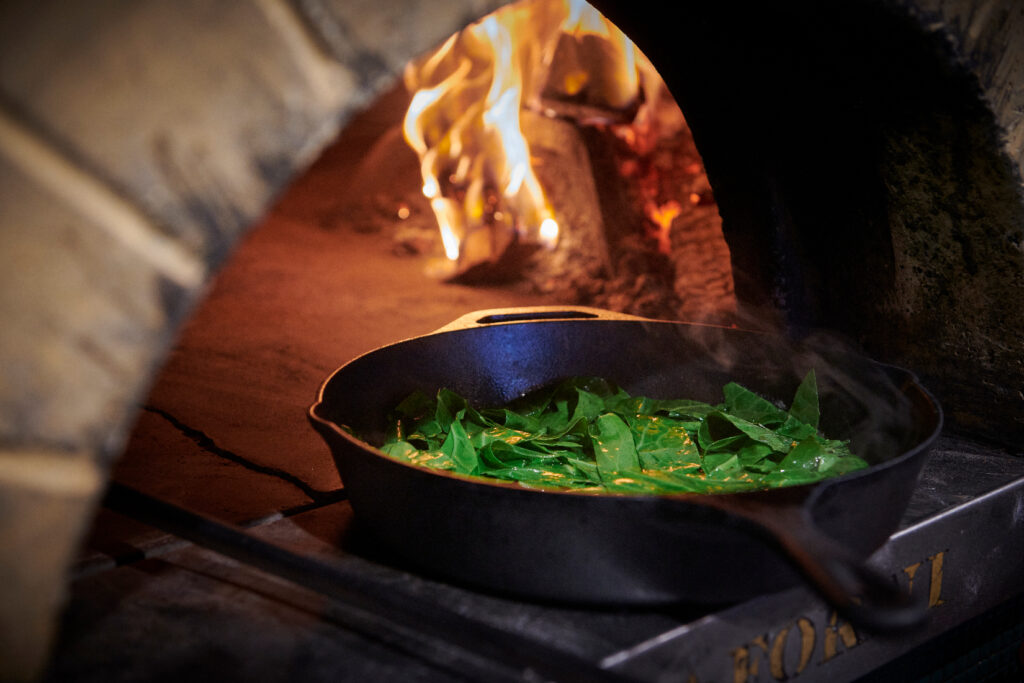
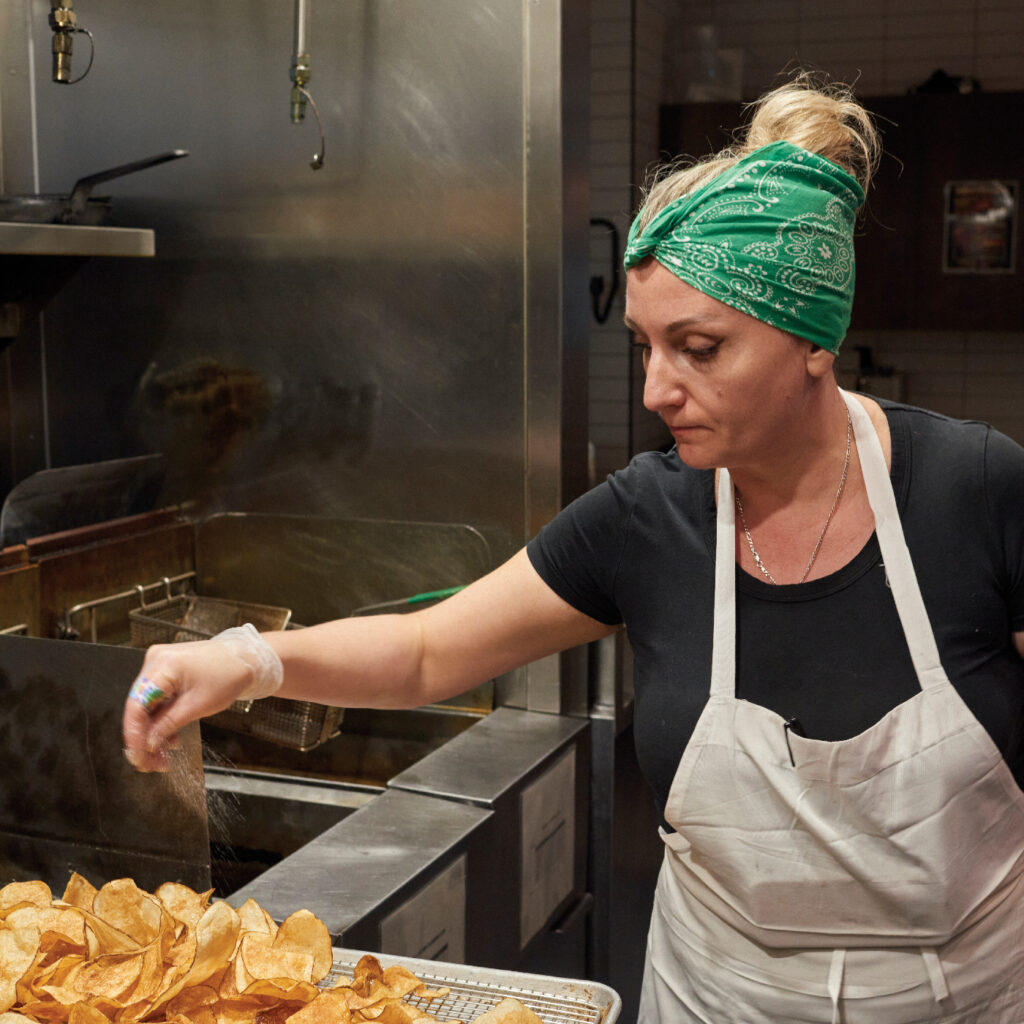
Among the kitchen staff, Garde Manger Derek Reist will work the frantic-paced gravy station this evening; he worked at a Five Guys just over a year ago. Helming KōLE’s Josper charcoal ovens is Sous Chef Morgan Wilson, whom Chef Quincy describes as a “bullet.” Point the proverbial gun at a target, and she goes flying with precision and focus. On the other end of the line is Line Cook Lea Tolentino, who earned a journalism degree in Puerto Rico and loves writing. She is as focused as she is meticulous. At Cavolo!, Chef Paul Sawyer commands the flames of two wood-fired ovens. At any given time, they can all be found guiding staff, deepening skillsets and creating outstanding dining experiences. Even here, several languages are spoken in the kitchen, as a diverse group of workers brings their skills and experiences to both restaurants.
Where fire is concerned, heat in the kitchen is part of the job, but their culture is developed to handle it together.
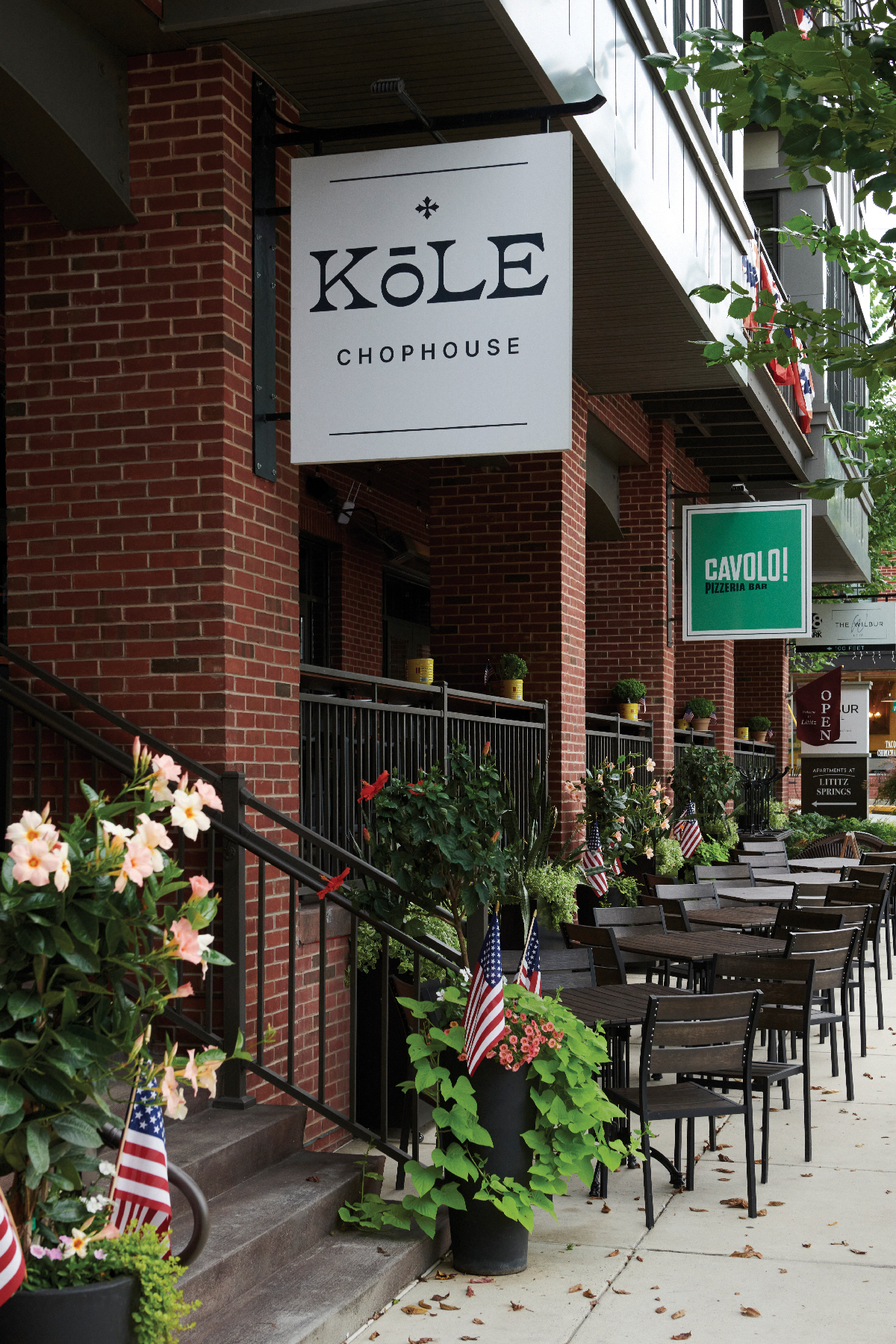
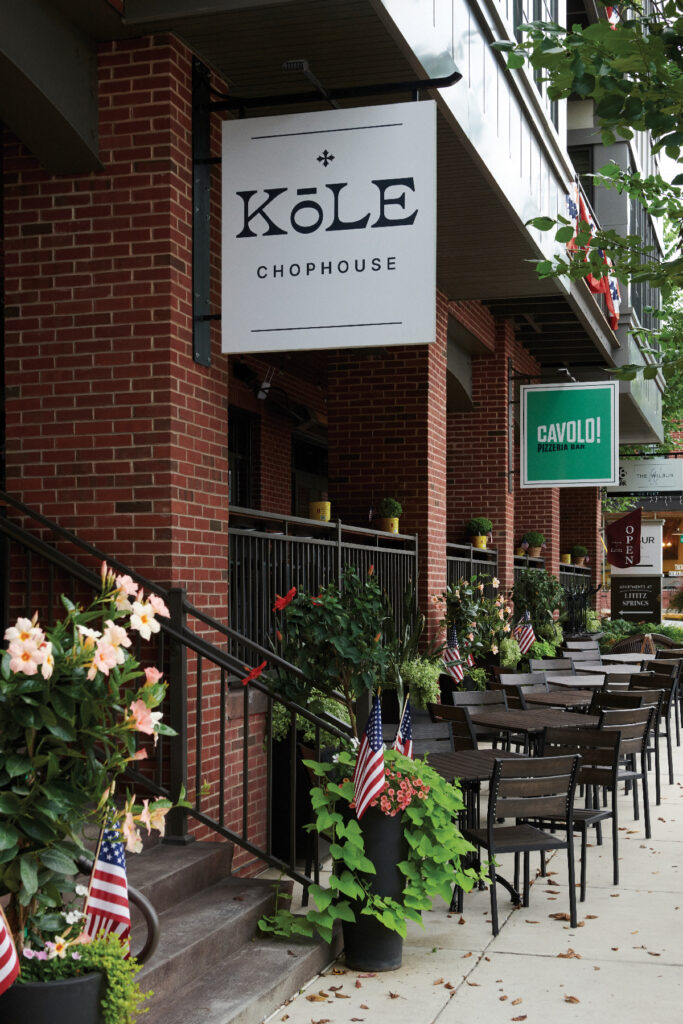
KōLE Chophouse is located at 52 N. Broad Street in Lititz. Cavolo! Pizzeria Bar is located at 54 N. Broad Street. Websites are Kolelititz.com and Cavolo.pizza
Leave a Reply