
Come along with me as I discover both the familiar and the unique as a tourist in Pennsylvania’s other Amish country.
It is well known that Lancaster County is the heart of Pennsylvania Dutch Country. With approximately 40,500 Amish residents, Lancaster is home to the oldest and largest continuous Old Order Amish and Mennonite settlements in the country. However, Lancaster is not the only area in the state with Anabaptist (Amish, Mennonite and Hutterites) communities. With that said, if Lancaster is number one, where is number two? Curiosity got the best of me, so I took a two-and-a-half-hour drive west to find out.
Known as Big Valley, the fertile Kishacoquillas Valley in Mifflin County stretches between long mountain ridges where the Kishacoquillas Creek flows toward the Juniata River. Amish families settled here in 1791, making it the third-oldest extant Amish settlement in North America. The roads in the valley follow the property lines of large family farms. Laundry lines string from farmhouses. Old maples and pine trees line the small-town streets. I am not even out of the car, and I am already seeing the similarities between the Big Valley and Lancaster County.
The New Holland Connection
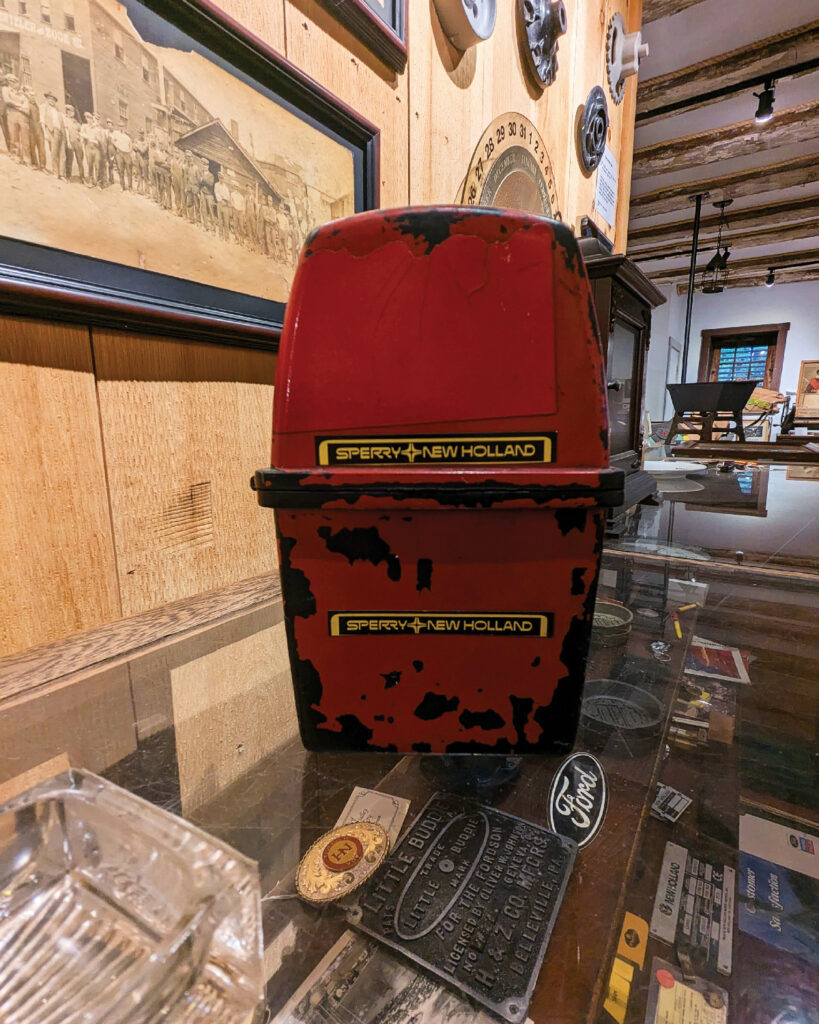
I started my visit by stopping at Kishacoquillas Valley Historical Society Museum, where I met Molly Bourg, the walking encyclopedia of all things Big Valley history. After a quick discussion about the different Amish sects in the Big Valley, she led me to a collection of memorabilia in and around a glass-top cabinet.
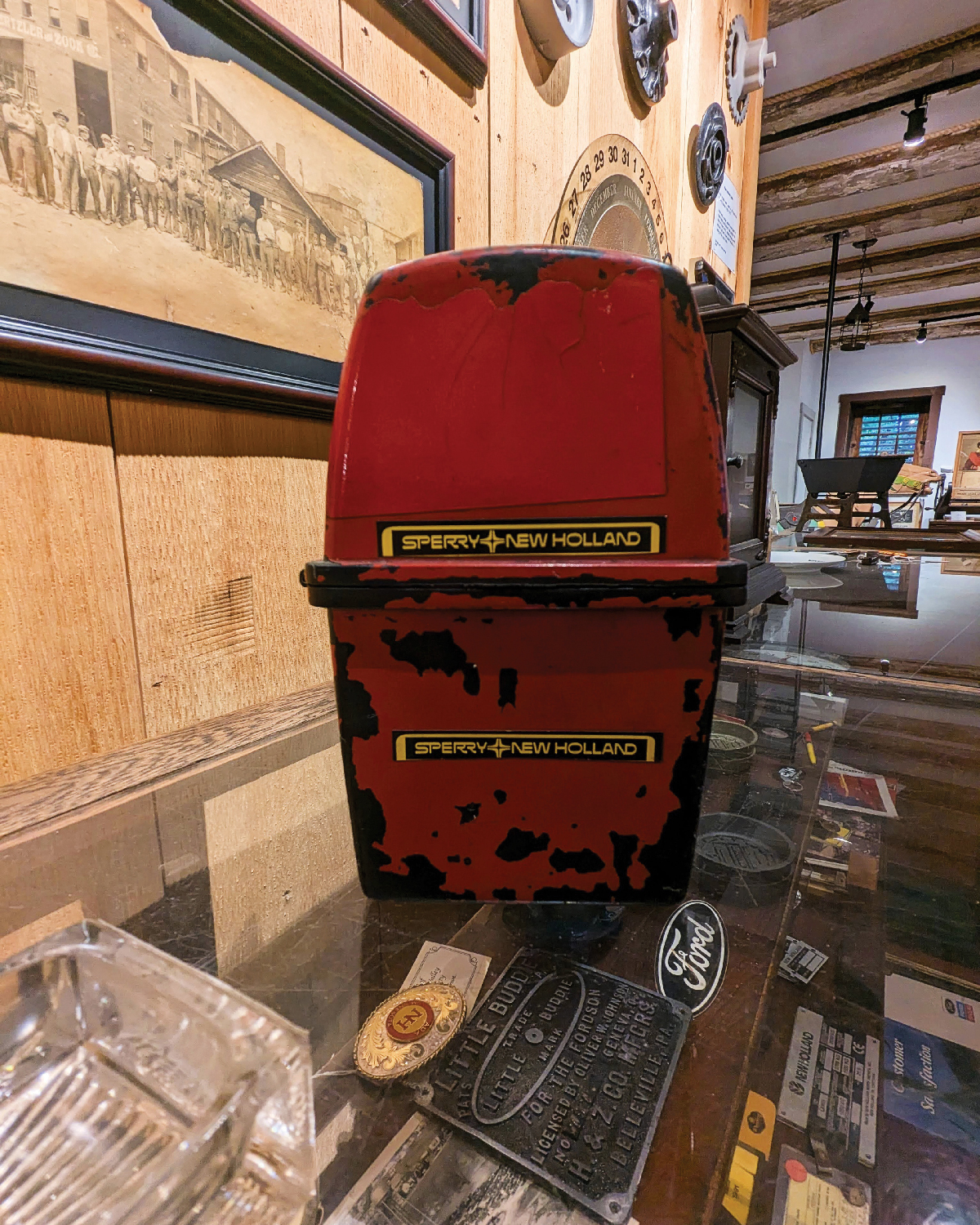
“Belleville used to have a wonderful business called Hertzler & Zook; then it was sold to New Holland, which of course you’ve heard of,” says Molly. In 1899, Israel Zook Hertzler and Thomas E. Zook established a machine shop specializing in buggy repair. Moving into manufacturing, the company developed a product line of items like corn shellers, water pumps and even small tractors. “They made all kinds of farm equipment,” Molly notes.
In 1942, New Holland – the agribusiness, not the town in eastern Lancaster County – bought Hertzler & Zook and moved many product lines to Belleville, freeing up the New Holland plant in Lancaster County to focus on its bread and butter, the hay baler.
Buggies
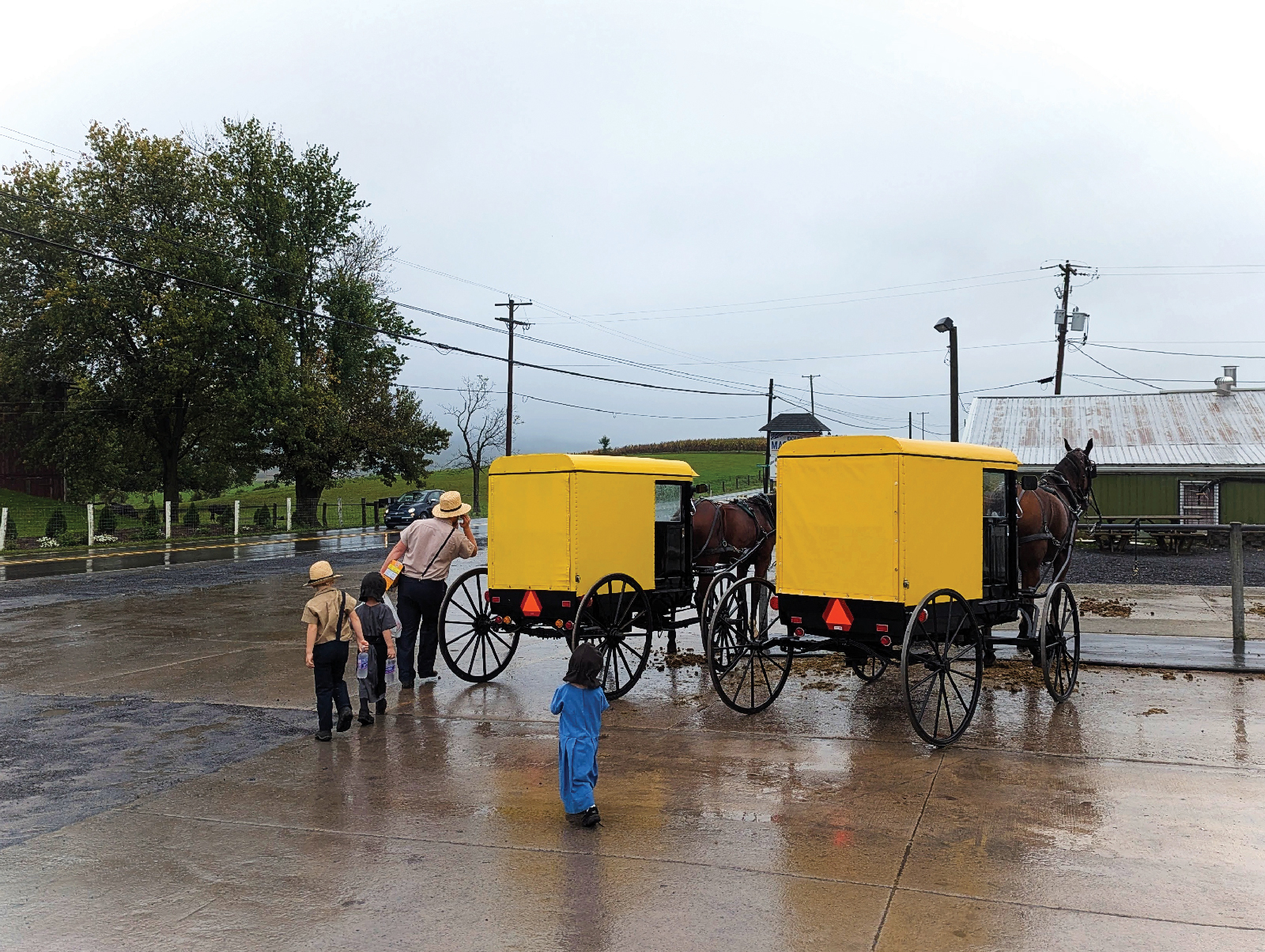
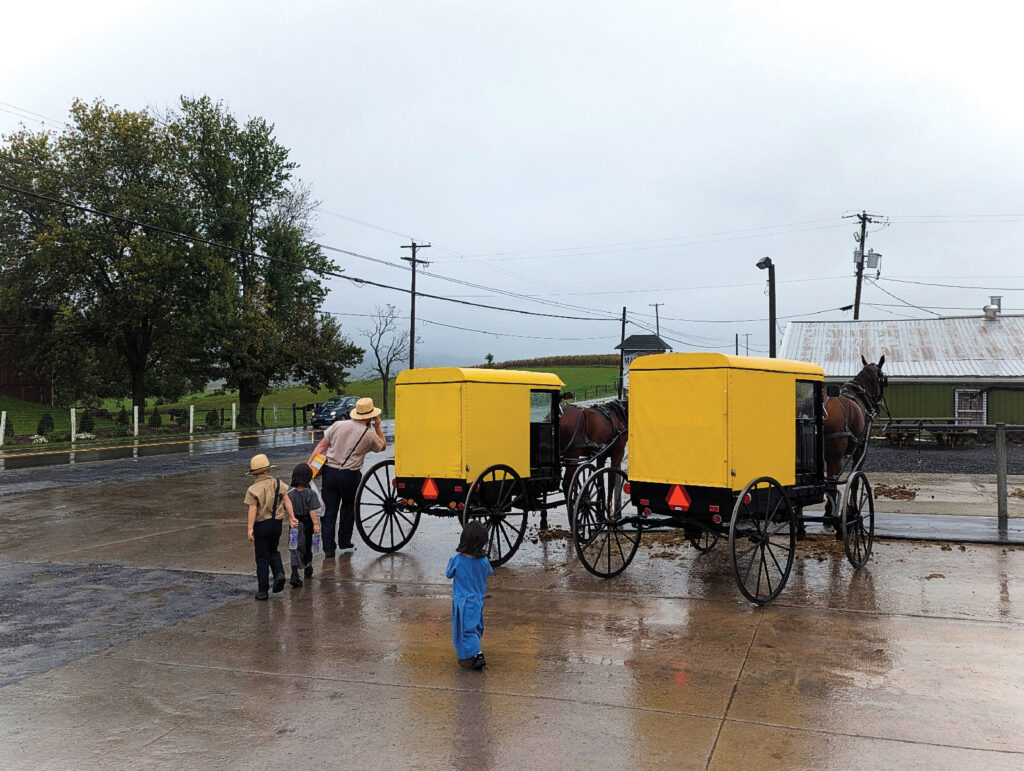
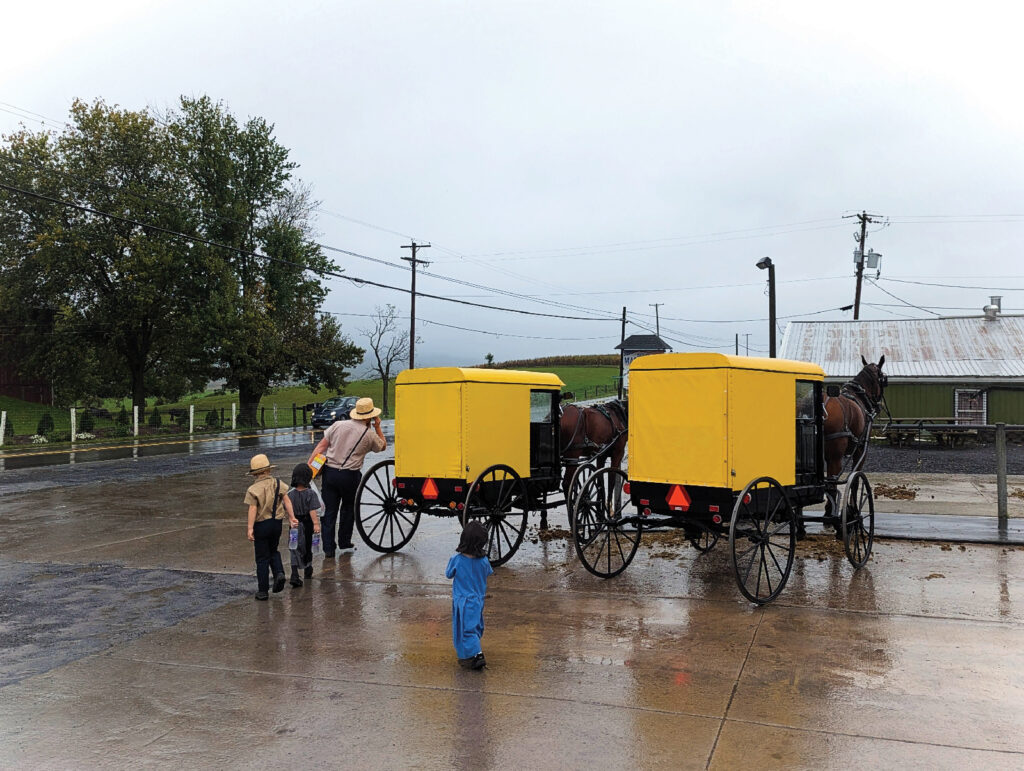
Pulling into Allensville on my way to the historical society, I made a sudden stop at the Good Ole Cheese House. Yes, I like cheese, but in the parking lot I spotted an Amish buggy with a yellow roof! I had to get a picture. Here I am, a tourist from the heart of Amish country taking a picture of a buggy!
“The most conservative are the white tops, known as the Nebraska [Amish],” explains Molly. “The most progressive are the Byler, which are the yellow top. The insides of their buggies are just beautiful with dashboards and things that pull out.”
In the middle of these Ordnungen are the Peachey/Renno Amish, whose buggies look most like what Lancastrians would expect – all black, no frills and solid. The Nebraska Amish buggies are the simplest of conveyances, barely sided and without a windshield or screening from the elements.
Antiques And Animals
Another similarity between Lancaster County and Big Valley is the shop-local experience. The 40,000-square-foot Big Valley Antique Center features nearly 150 vendors on two floors. Artwork hangs on wood-paneled walls and the aisles are wide. The center has everything a picker would expect, especially Penn State memorabilia and furniture from regional makers.
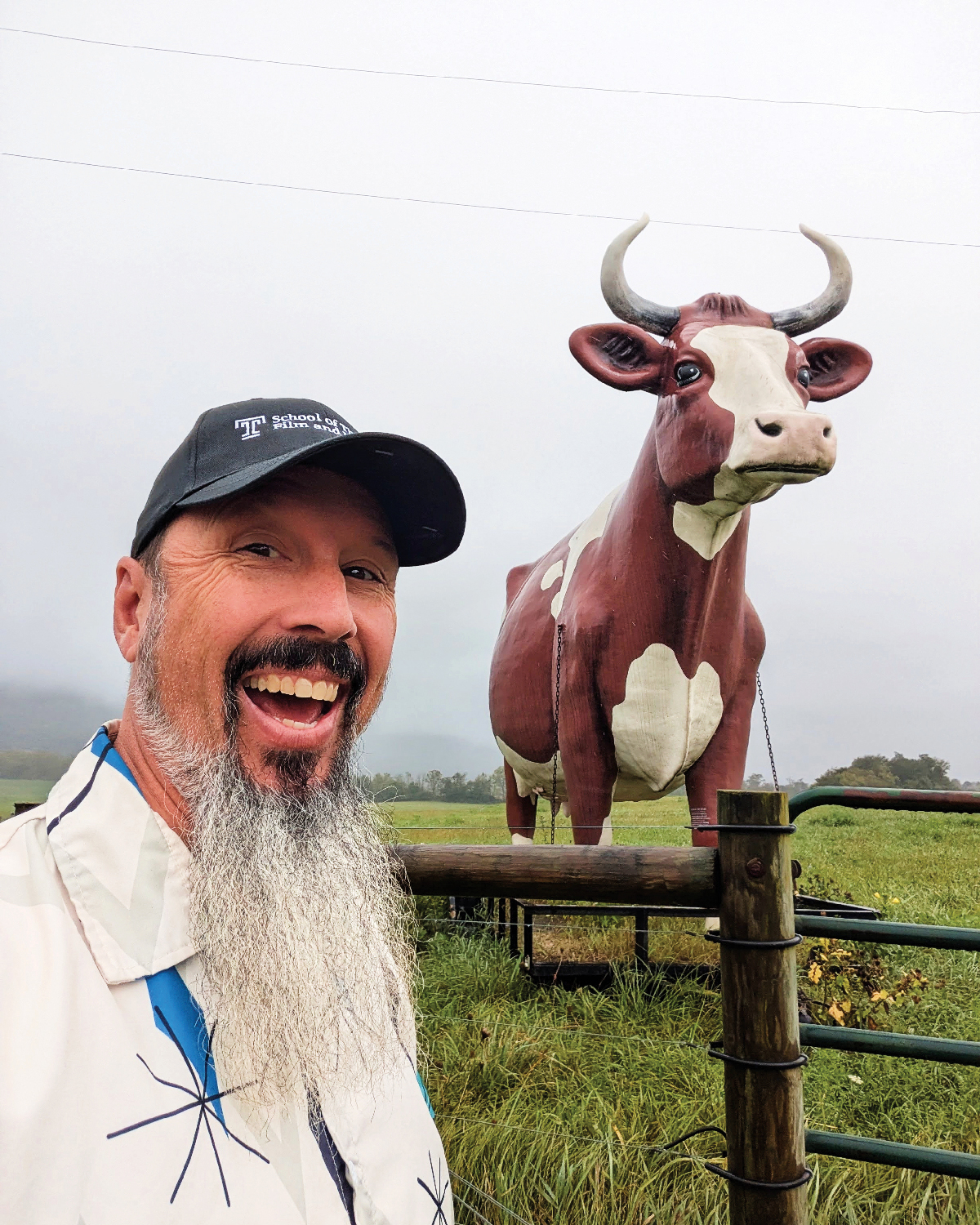
On Wednesdays, the popularity of the Belleville Livestock Auction and Farmers Market spawns flea markets, yard sales and pop-up roadside stands. We shopped at Peight’s Country Store, an Amish-owned general store (similar to Good’s Store); tasted one of the state’s best-kept secrets, Allensville Donuts (think Sunnyside Pastries); and got down on the farm with Belle at Hameau Farm (like a boutique Oregon Dairy). Hameau is French for hamlet and is also the name of the famous farm at Versailles, “Hameau de la Reine” (The Queen’s Hamlet), built for Marie Antoinette in 1783.
By the end of the day, the big similarities of Big Valley made me feel at home and like a tourist.
Goose Day: A Revolutionary Tradition
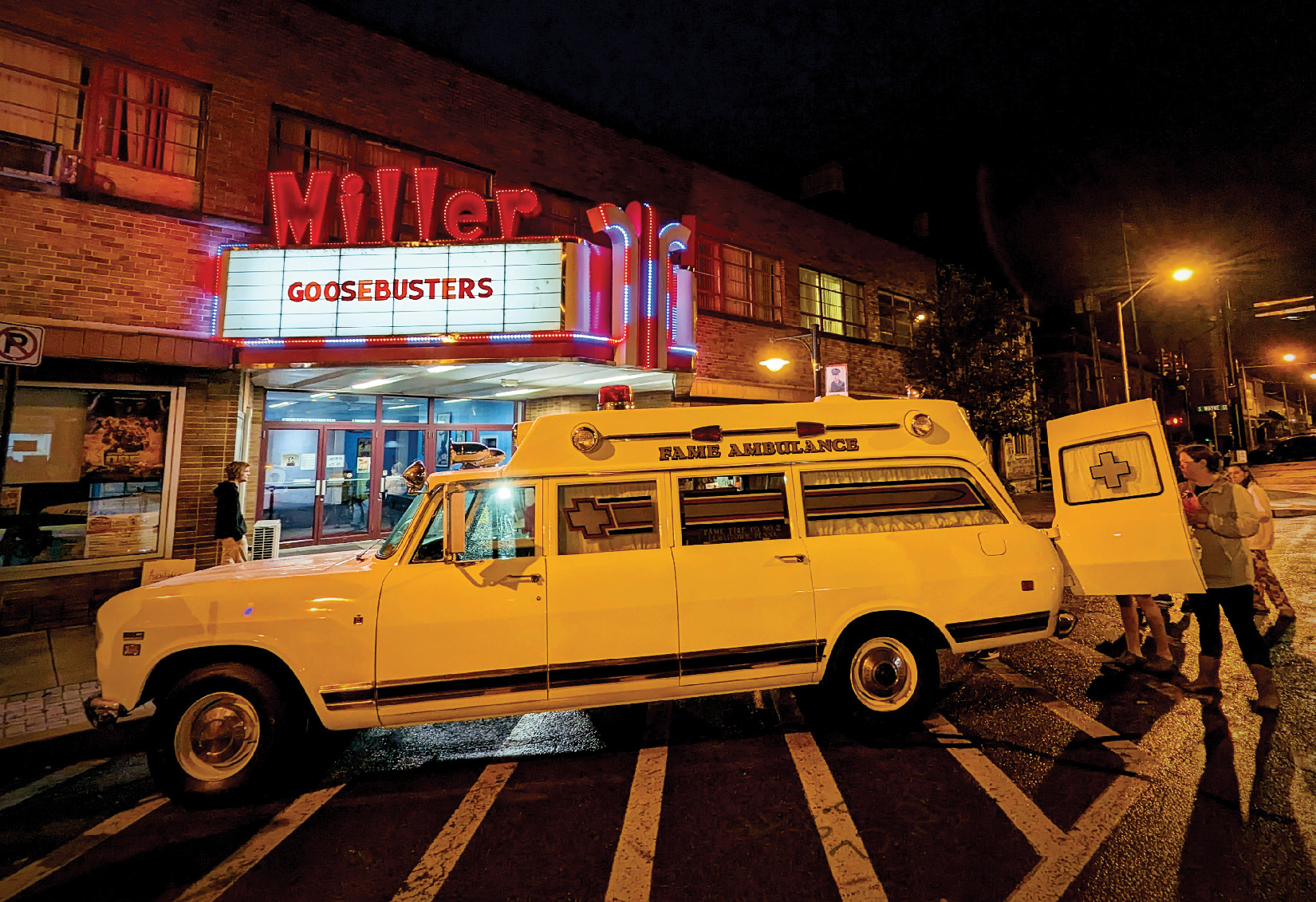
When I first heard the words “Goose Day,” I was immediately intrigued. So, I planned my trip to Big Valley around one of Pennsylvania’s oldest – and least-known – traditions.
In 1786, landowner Andrew Pontius was traveling to Lancaster County to hire a tenant farmer for his land in the Juniata River Valley. In Harrisburg, he met Archibald Hunter, a British sailor who jumped ship for freedom in Philadelphia and was working his way west. Impressed, Pontius hired Hunter, with accounts to be settled annually on September 29. The following year, Hunter arrived with the accounts, carrying a goose under his arm. English tradition, he explained, called for eating goose on St. Michaelmas Day, September 29, which is celebrated as the Feast of Saints Michael, Gabriel and Raphael, the Archangels and, as is traditional in England, marks the start of autumn. It was also one of four days on the fiscal calendar on which rents were collected, etc. Eating goose is believed to bring good financial luck in the year ahead. Over time, the custom grew into a community celebration.
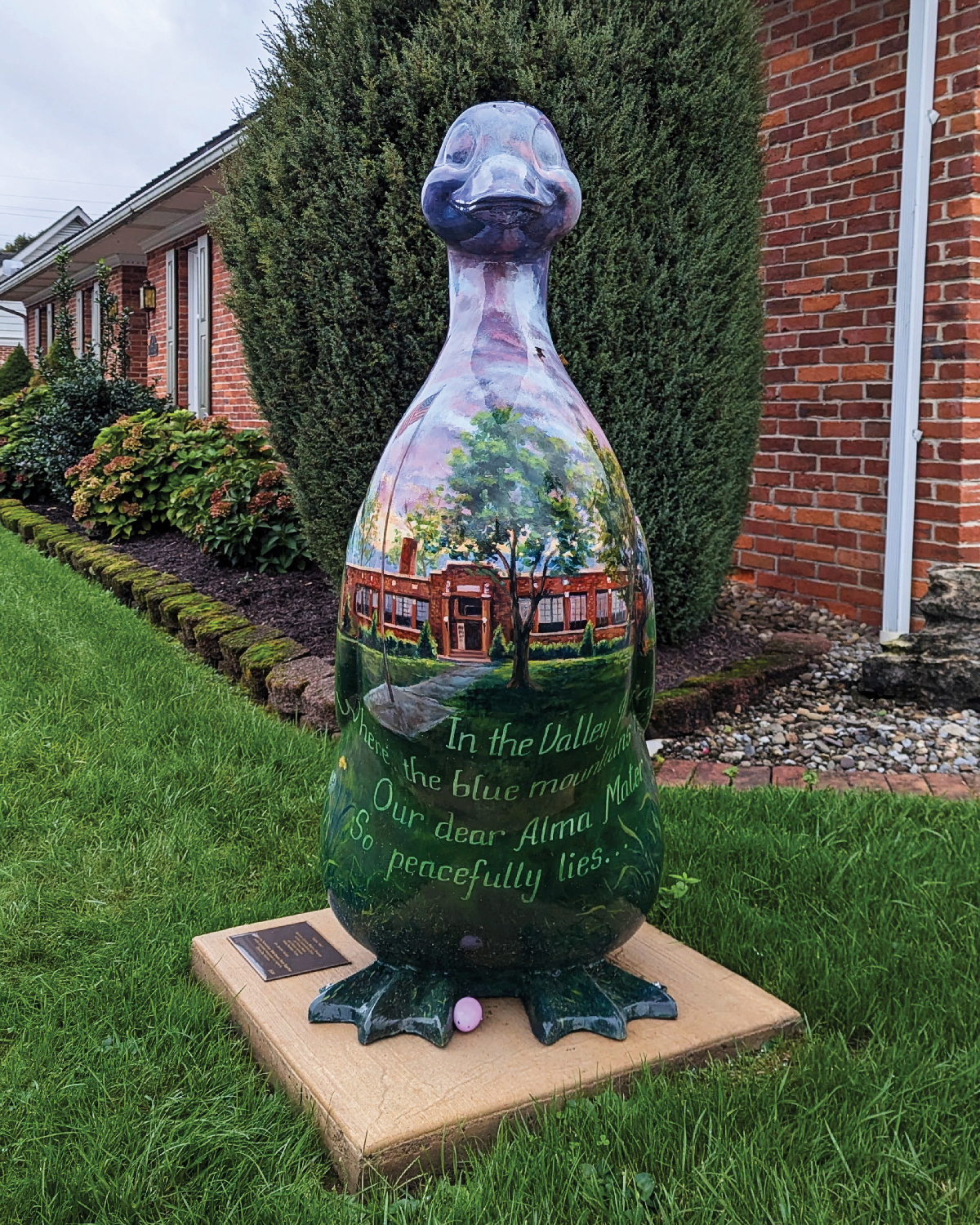
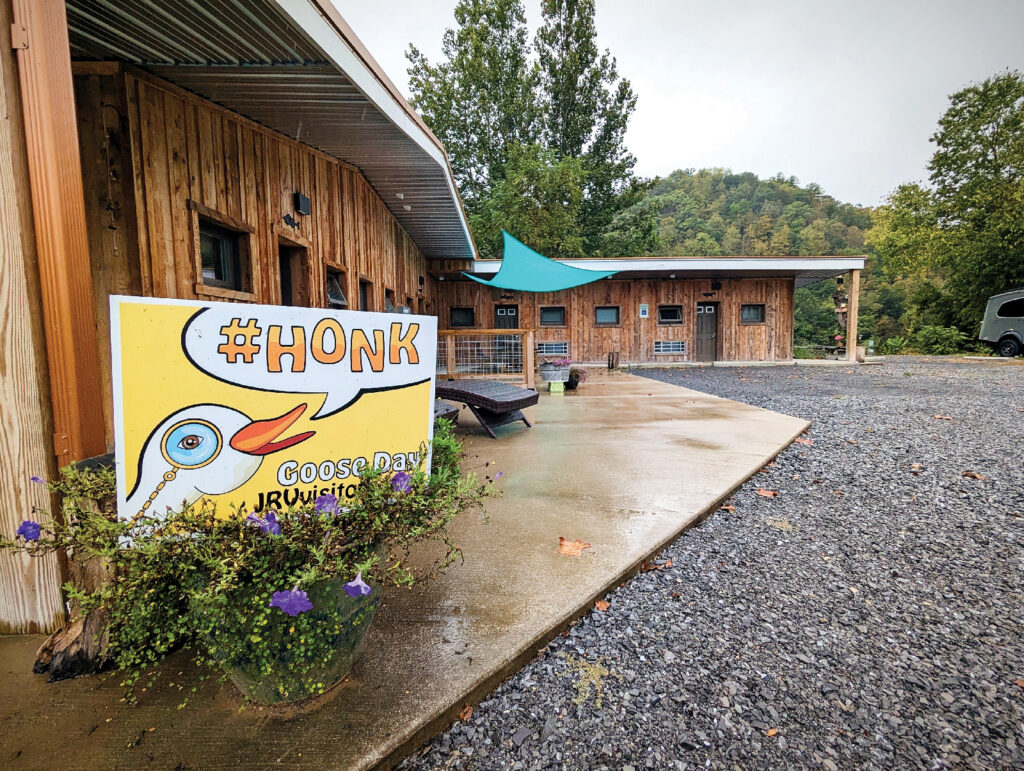
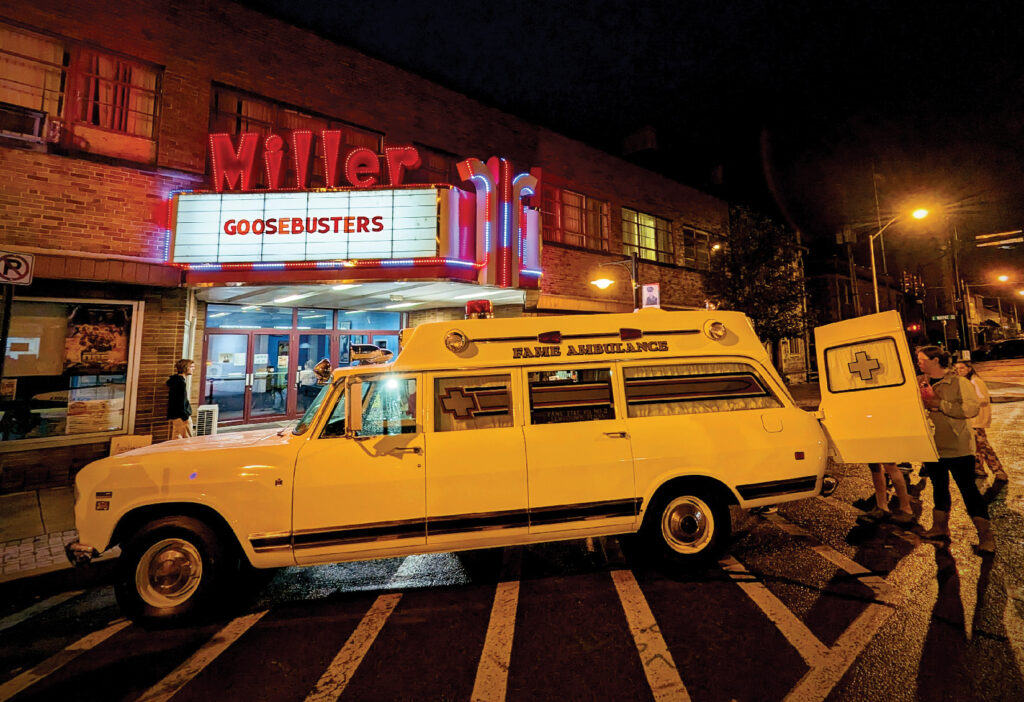
Today, Goose Day is embraced by nearly every business, organization and resident in the Juniata River Valley. From Boy Scouts to bakeries, restaurants to retailers, the communities of Lewistown, Mifflintown and surrounding boroughs all join the festivities. The celebrations run all weekend. This year’s celebrations run September 25 through 29. The List – a highly anticipated guide to events, goose dinners and activities – is released annually on September 1 via Jrvvisitors.com/goose-day. Two main events kick off the weekend in Lewistown. Lucky Friday, a lively, mini-street fair fills downtown with vendors, children’s activities and live entertainment. The evening is capped by a massive drone light show.
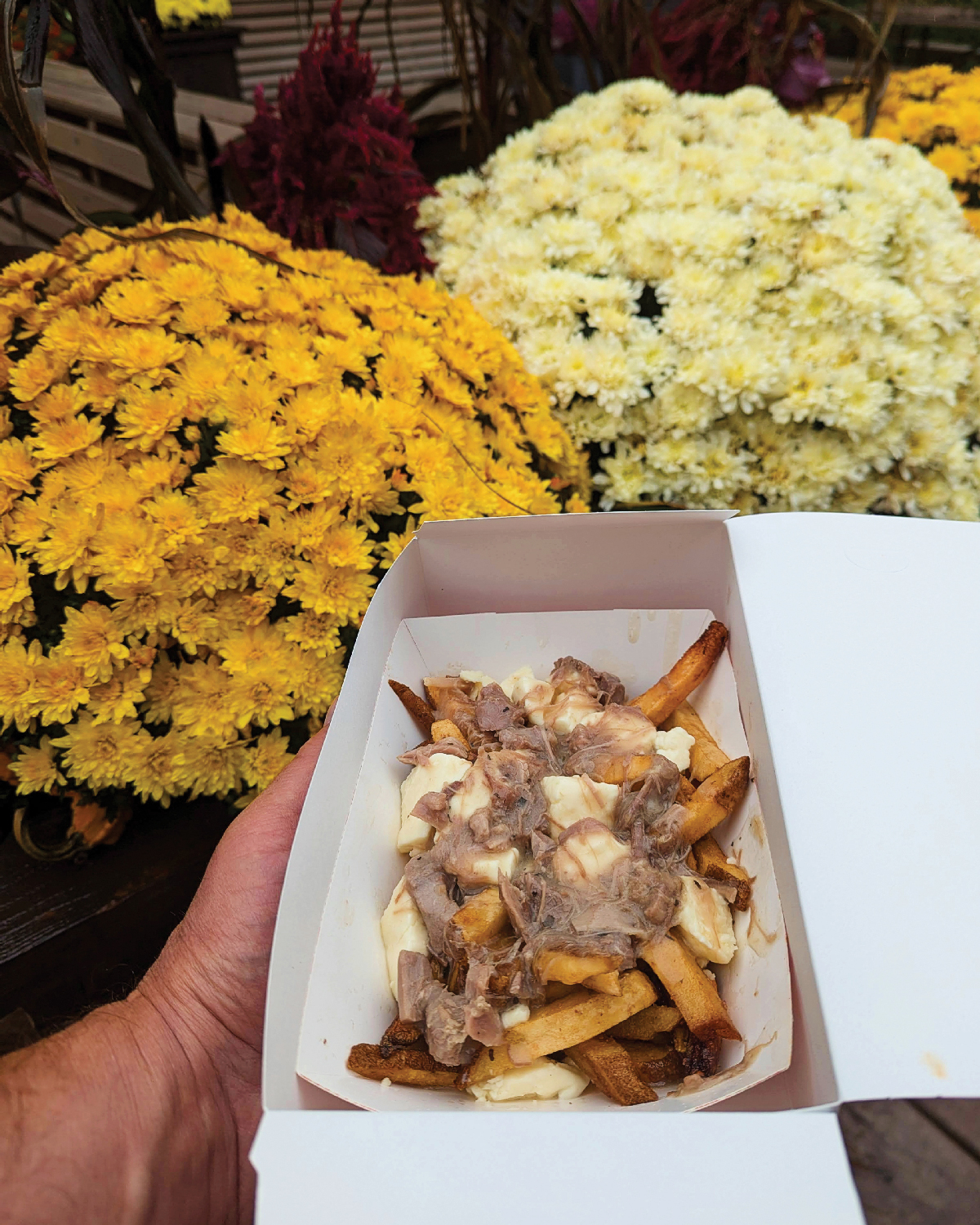
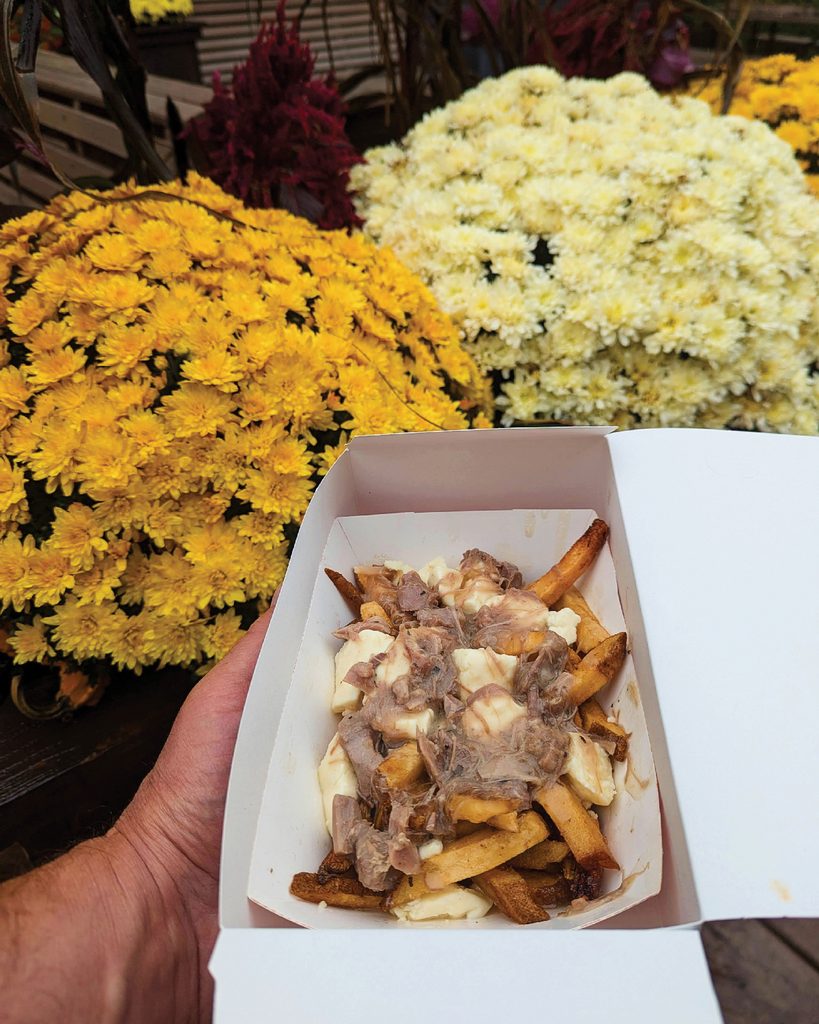
Saturday became a progressive Goose Day feast for me and my family. We headed over the mountain ridge to Brookmere Winery for brunch and sampled Tears of the Goose, a blush blend (think tinted white Zin) created to complement roast goose. Later, along the boutique- and eatery-lined Main Street, we grabbed a bite at Reedsville Creamery Ice Cream Stand where the Goose Day special was goose poutine – fresh-cut fries, local cheese curds, brown gravy and tender shredded goose. It made me wonder how much goose the valley consumes during the celebration.
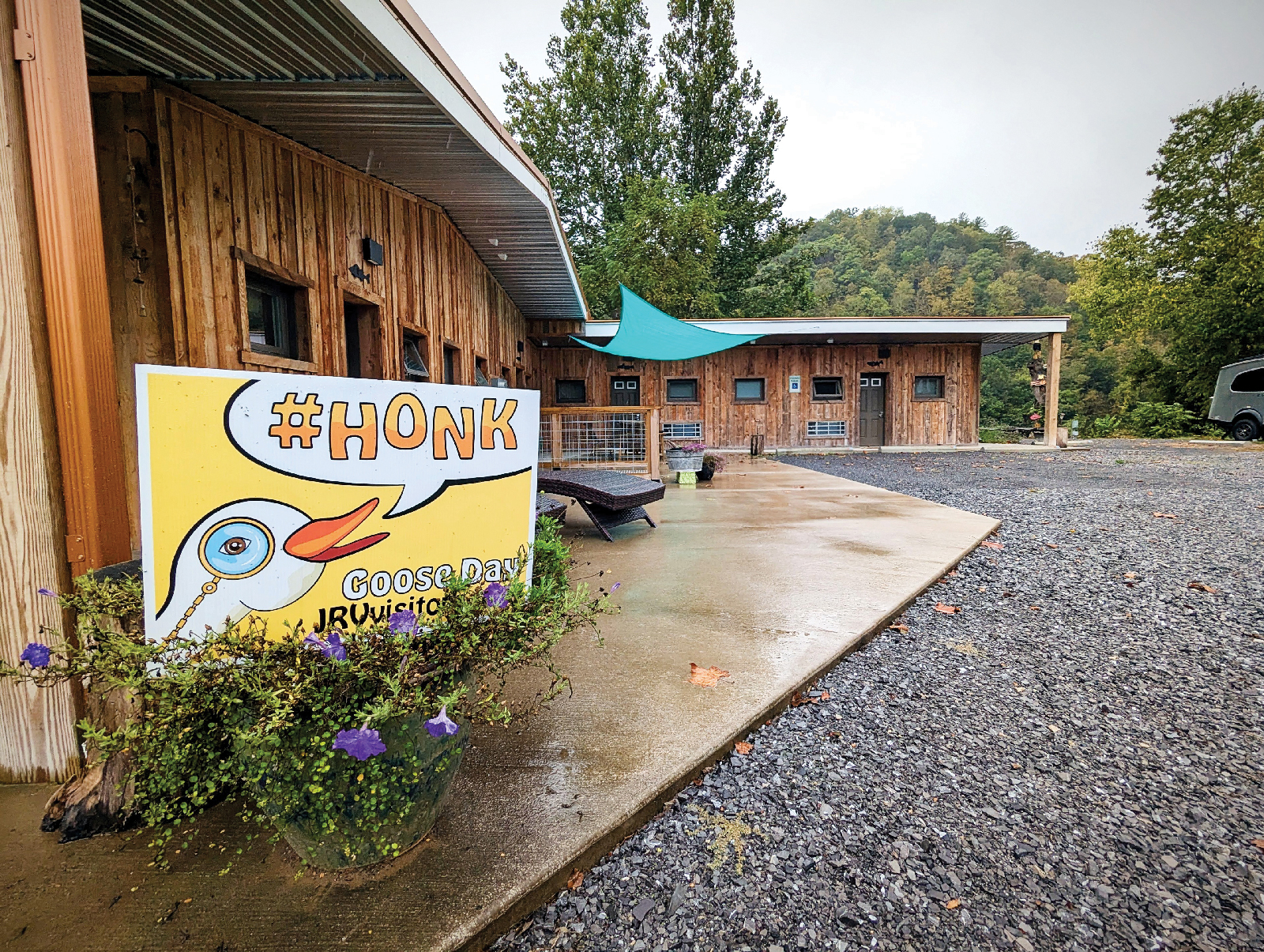
“Our restaurants serve around 3,000 roast goose dinners [on September 29]. But that doesn’t include other types of goose meals like goose pizza, goose stew, goose tacos, etc.,” says Buffie Boyer, communications director at the Juniata River Valley Visitors Bureau.
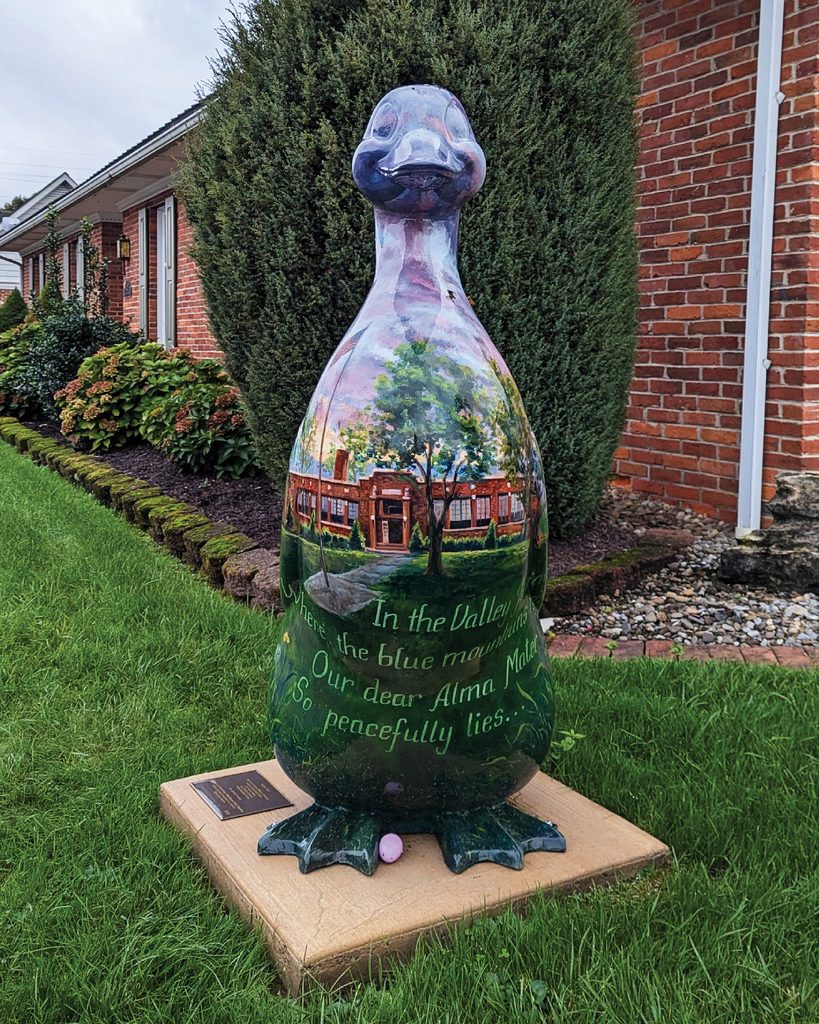
During our stay, we found ourselves pulling over each time another 3-foot-tall painted goose from The Feathered Frolic appeared beside the road. We located six of the 12 – short of earning a prize. But with 14 pages of events, meals and activities packed into The List, one weekend was never going to be enough. We just have more reasons to come back and … eat goose and hopefully get lucky!
Loved this article! Went to Big Valley often to Peight’s Store. Never knew about Goose Day and festivities. How ’bout the Bean Soup festival in McClure? Is that considered part of Big Valley?
No, McClure is in Snyder County, Big Valley is in Mifflin. Far from each other. But the Bean Soup festival is worth attending. Always fun.
Grew up in Mifflin County. Went to the Belleville sales and livestock auction many times. Goose day was not a big deal when I lived there ( till 1979 ) but I think someone got behind the idea and through a lot of hype and promotion it is what it is today. Good for Mifflin County. It seems they’ve suffered setbacks since Hurricane Agnes in 1972. It was a great place to grow up.