
A hidden treasure blooms in Lititz that is bursting with color, fragrance and smiling faces.
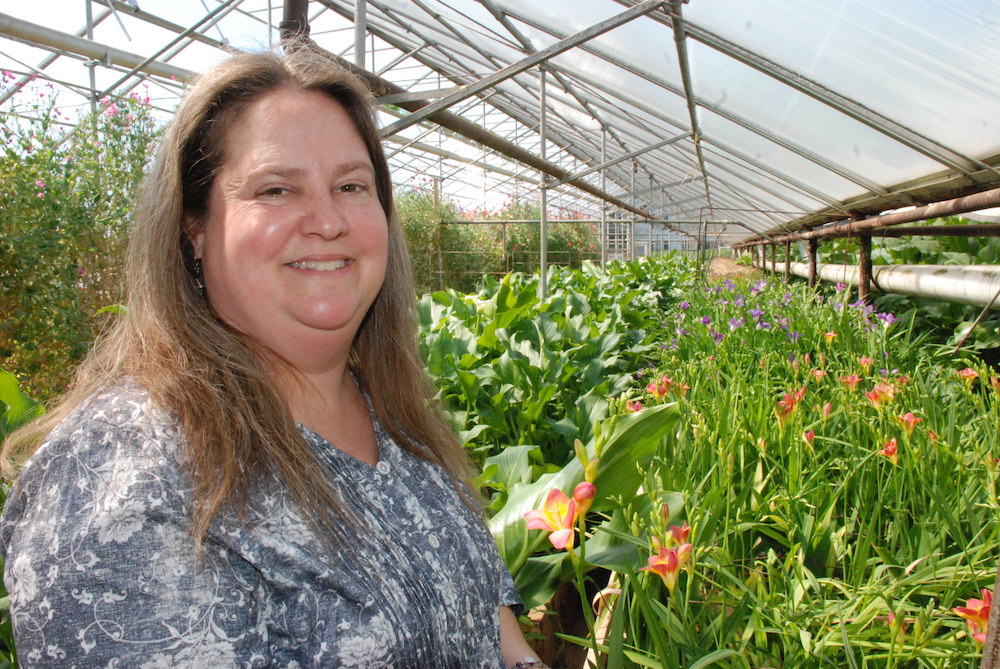
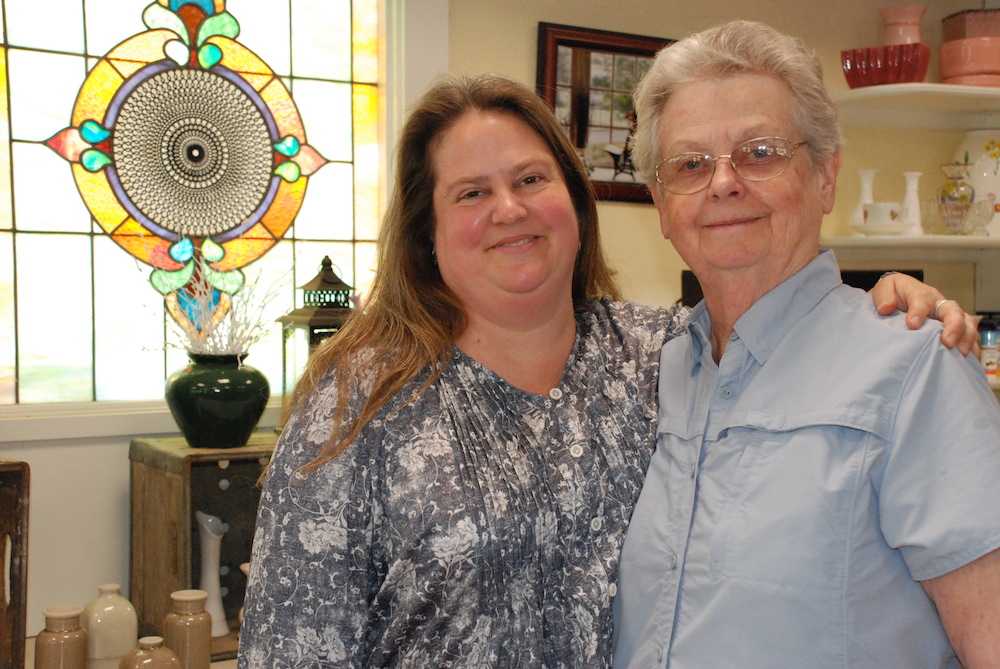
I didn’t know what to expect as I walked down the sidewalk to Hendricks’ Flower Shop a few days ago. I had assumed it would be like most of my other interviews: introduce myself, have a seat in a quiet office and begin with my list of questions. But, Bernie and Sue Ellen Hendricks had other plans for me.
“Let’s start with a tour of the greenhouses,” Sue Ellen suggests. I was just five weeks late for their “awesome” greenhouse tour, she says, when most of everything is in full bloom before being picked.
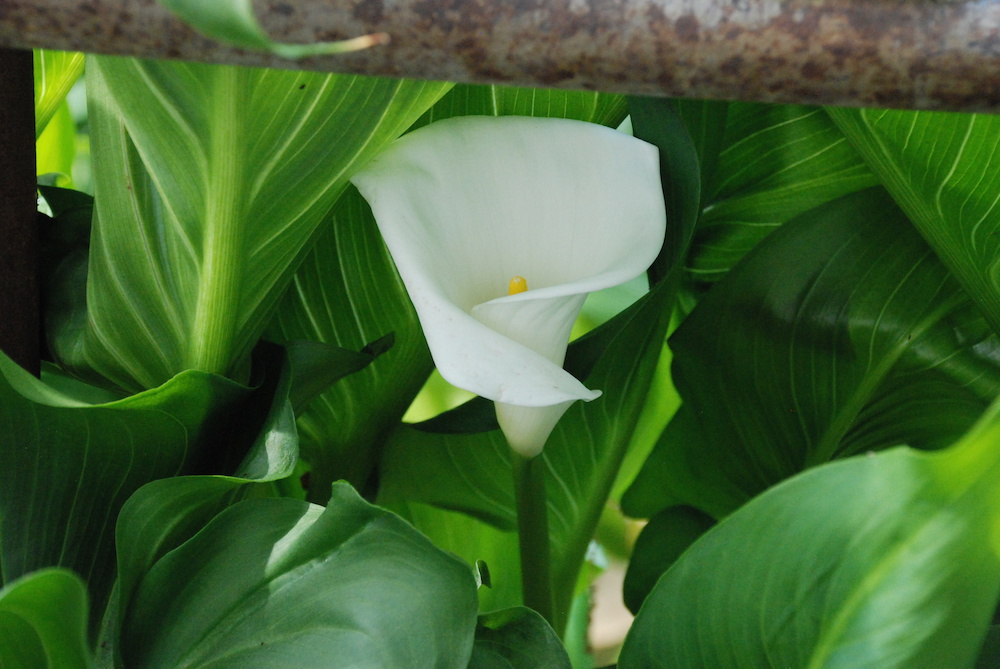
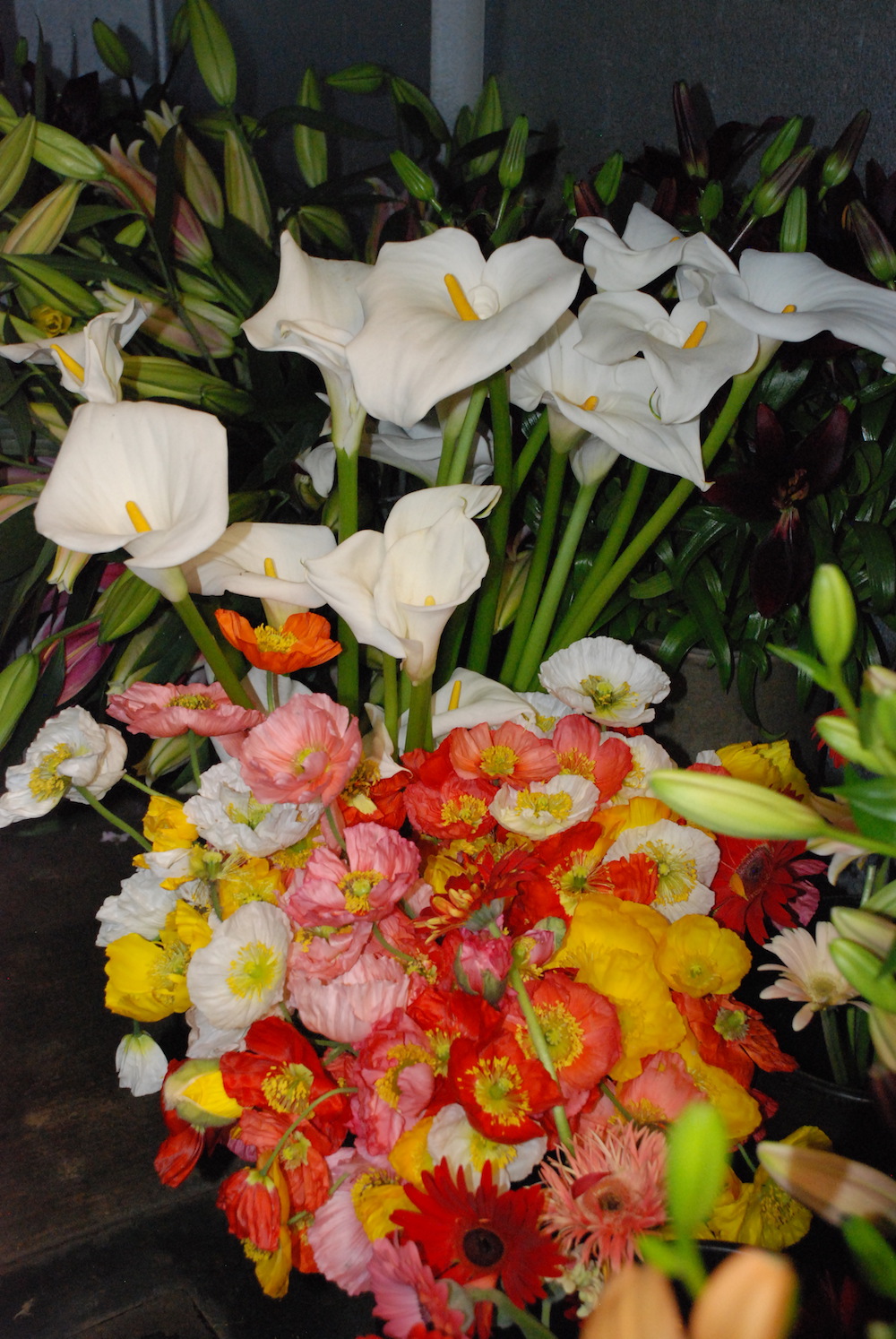
I still thought the tour was pretty amazing though, even with the hot humid air pressing down. When the door opened, I was engulfed into a sea of green. Peeking through the leaves, I could see white calla lilies standing tall.
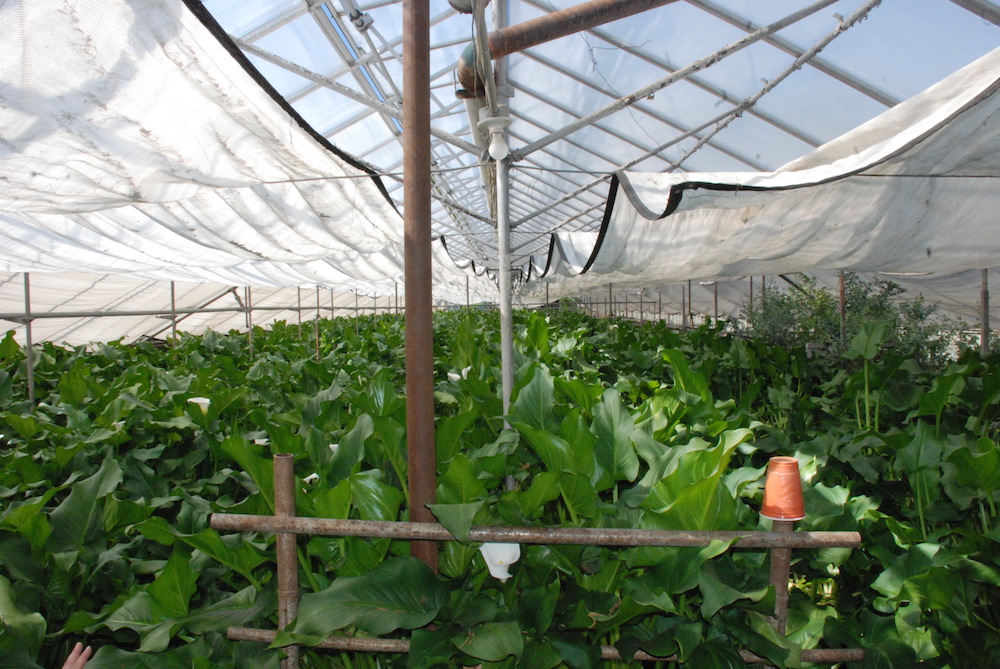
Next was the sweet-smelling freesia – known for their scent, these flowers start blooming around Christmas, Sue Ellen says. I was then introduced to some unique ornamental kale and a wall of sweet peas.
“There are two women in Baltimore City, one has an events shop and the other has a traditional flower shop, and they both use only local product. They call local within 100 miles of their shops,” Sue Ellen explains. “They’ll start in late fall and come up once a week and buy flowers here for their businesses because there are few growers within 100 miles of them in the winter that they can get the product from. … This is an ornamental kale that I grow for them. I also grow eucalyptus for them.”
We came to the carnation bed, and Sue Ellen handed me one that smelled just like cloves, a lavender lace carnation, an heirloom variety.
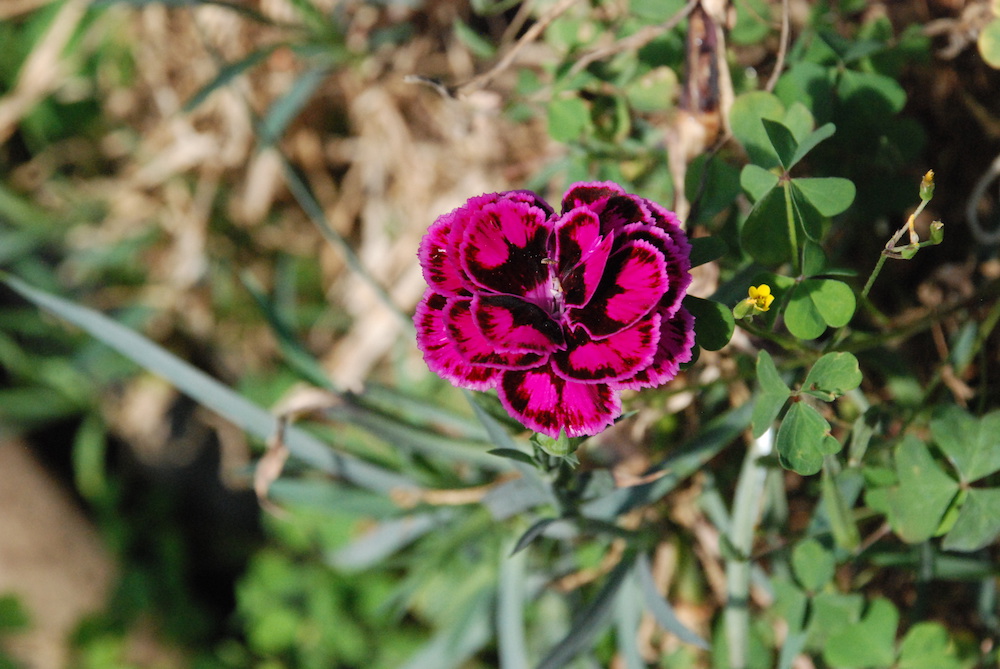
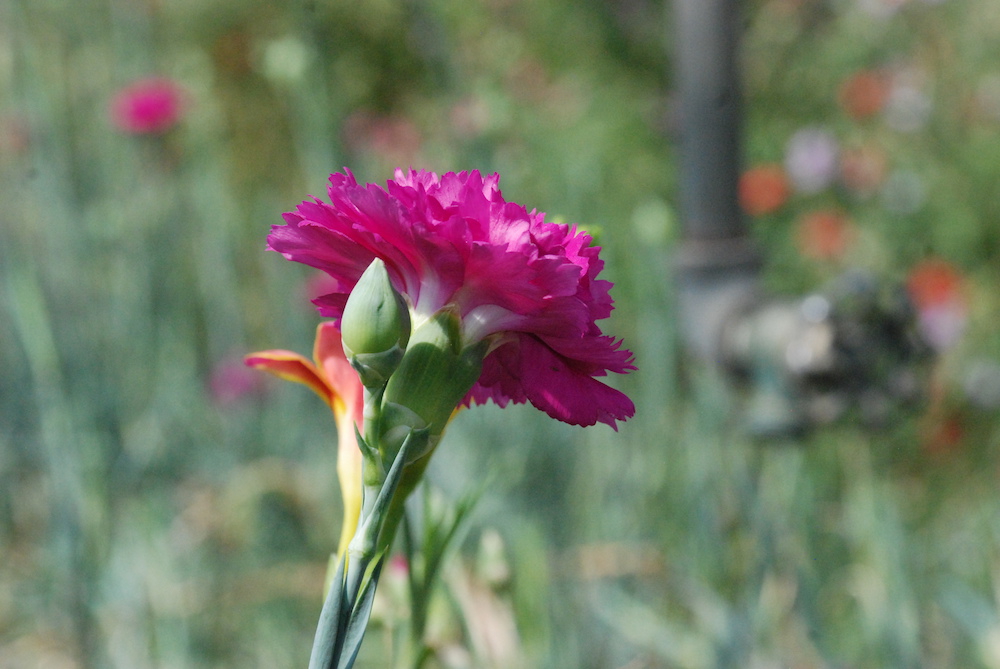
“If we were still wholesaling carnations, we would only get 18 to 22 cents a flower, which might explain why there’s no more carnations in the United States. It’s a lot of work and no money,” Sue Ellen says, referring to the 1970s when researchers discovered that year-round growing conditions were better in South America. Carnation growers in South American countries would pay their workers less and weren’t held to high government standards, such as in the U.S.
Bernie chimes in saying, “My husband’s [Bob] family came here July 1, 1937. The first four greenhouses were built in 1914 [by the previous owners before the Hendricks purchased the property]. Bob’s mother, Dorothy, and father, Clyde, both of their fathers had greenhouses in Bucks County, all cut flowers. During the 40s, 50s and 60s, there were 65 to 75 growers of cut flowers in Lancaster County. They all disappeared.”
“It would hurt my heart to see this disappear,” Sue Ellen says of their carnation crop.
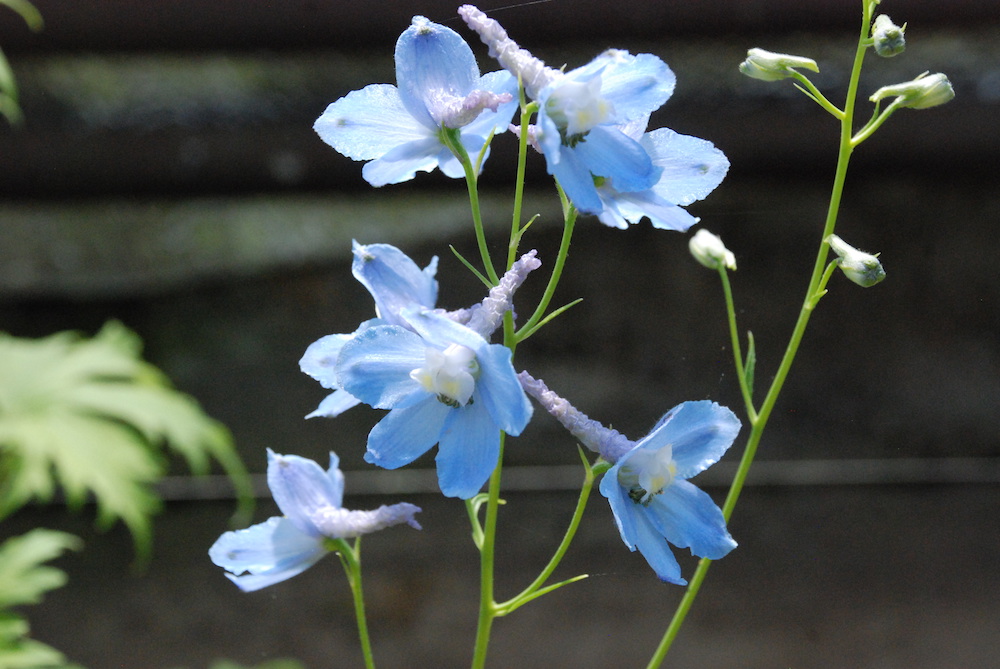
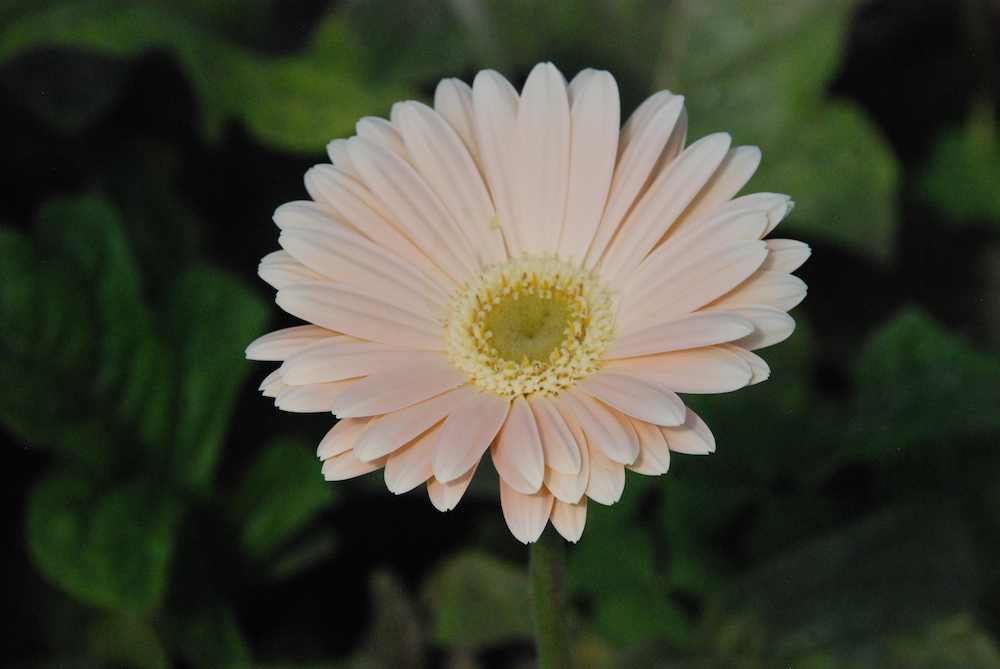
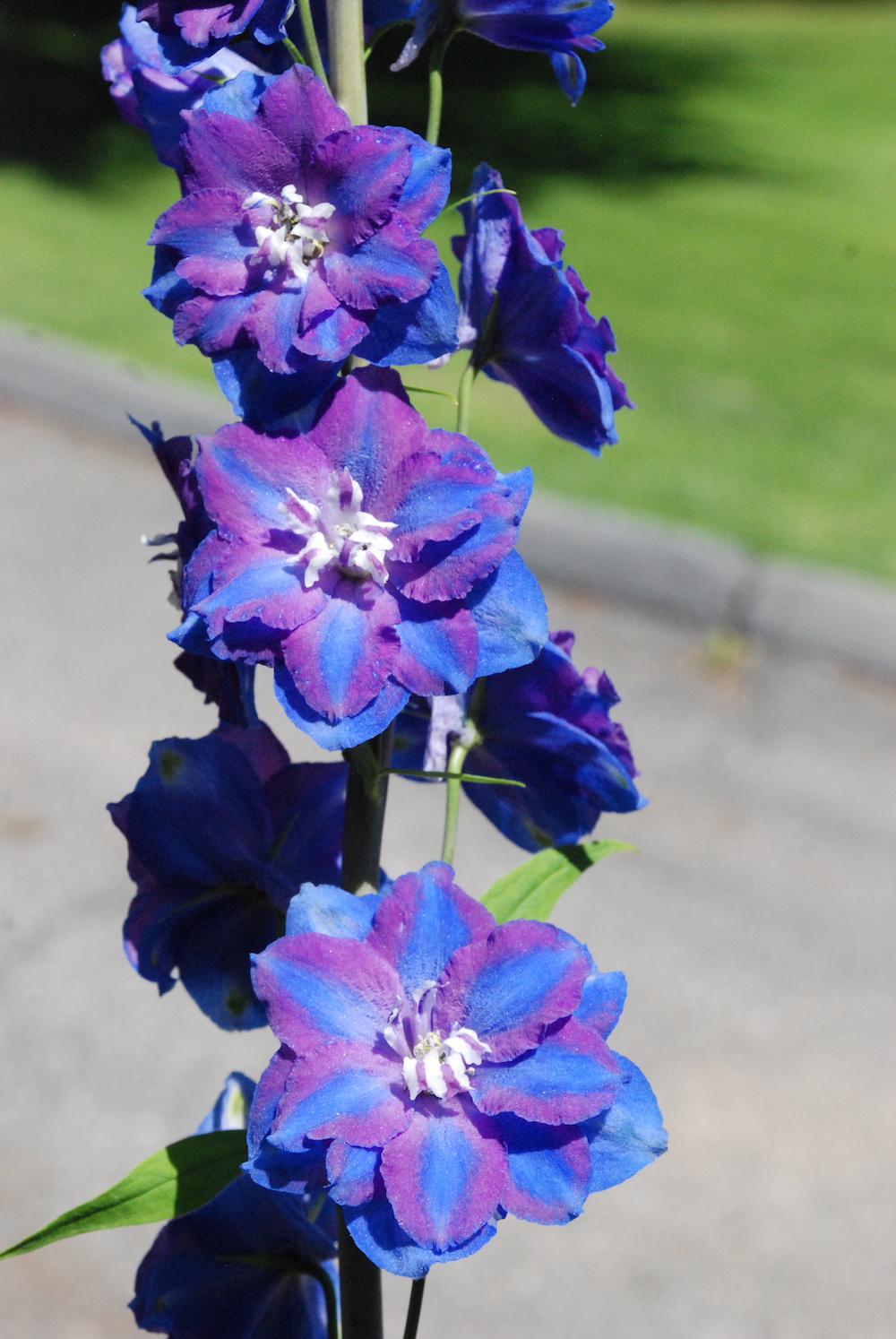
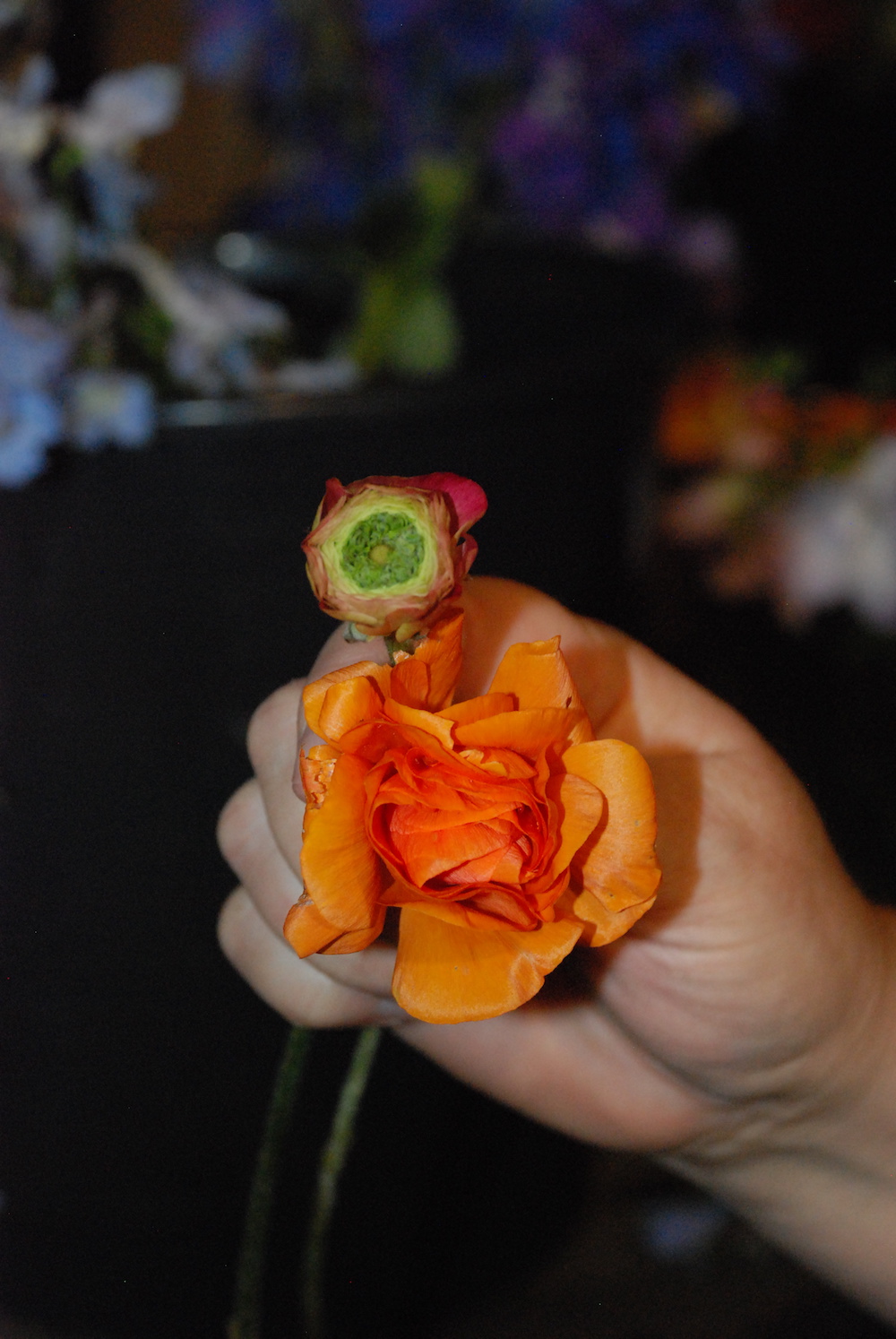
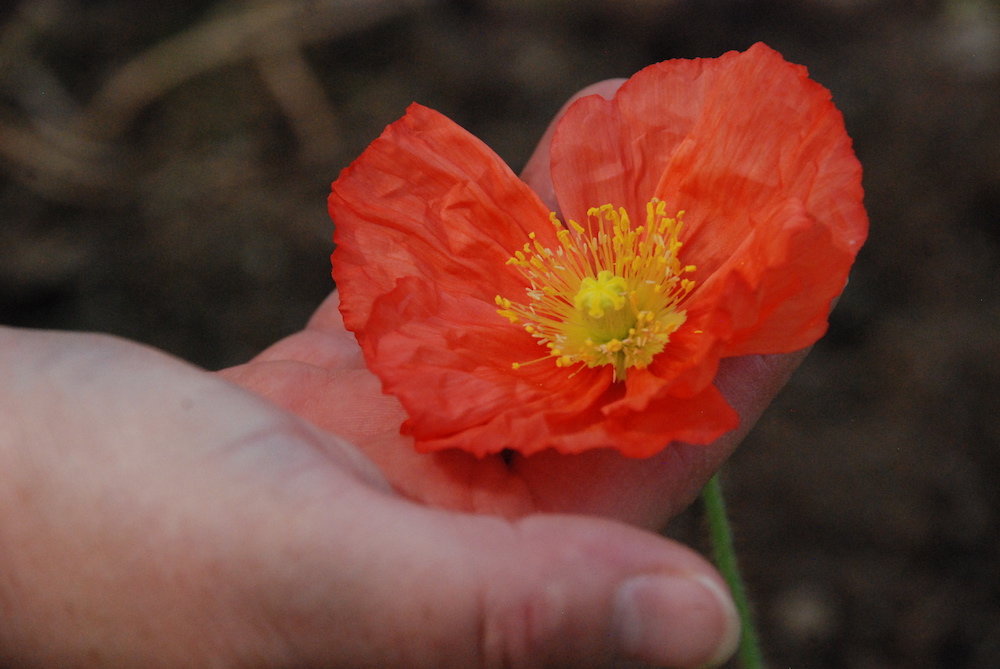
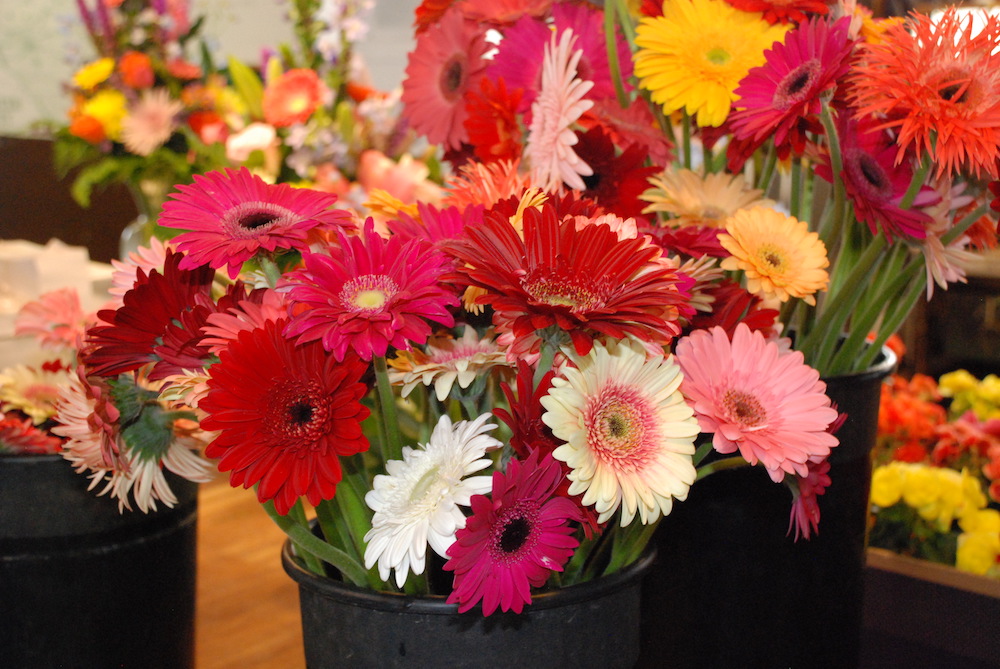
I was then introduced to their delphiniums (King Arthur series and a baby blue delphinium variety that looked like dragonfly tails), dusty miller, sweet Williams, lisianthus, ranunculus, asters, snap dragons, poppies and beautiful gerbera daisies (Sue Ellen’s favorite).
And, even though there were plenty of flowers in the greenhouses left to be picked, Sue Ellen informed me that I had just missed their peak season.
“We were at peak closer to January, February, March and April. We are now in the transition period. We will treat the soil and plant a fresh crop for next year,” Sue Ellen explains. “In the summer, that’s when we start to wind down and take care of our soil.”
At that time, I noticed one long bed was covered in a dusty black tarp with a long black hose running the length of it.
“Our crops come out, and we have a steam sterilizer. We steam sterilize our soil, and that’ll kill weed seeds, viruses and bacteria to help keep our crops clean and keep the weeds down so that way we don’t have to use as many chemicals.” Steaming can take from one to two hours per bed. It can take an entire day or more to steam one greenhouse, and the Hendricks have six altogether (the last one having been built in 1958).
Besides being a fourth generation cut flower shop and the largest grower of carnations in the East, Hendricks’ Flowers is unique. They do not offer a menu system, meaning no two arrangements are just alike. Each one is different and cannot be recreated. They do not advertise their business. They believe in tradition, such as being devoted to donating flowers for the Lititz Queen of Candles event for the past 64 years, and in family.
And, even though the shop is owned by the Hendricks, which also includes Sue Ellen’s brother, John, they consider each employee (their designers and delivery personnel) a part of their family.
Bernie says, “There’s a long history in Lititz with us. People hear about us; they count on us. To me, it’s more important to help someone rather than just gather the money. You’re there to help people when they need it.”
Hendricks’ Flower Shop, 322 South Spruce Street, Lititz. 717-626-2009, hendricksflowershop.com or Facebook.
Leave a Reply